
Ground screw equipment
Pipe Tapering Machine and Furnace
Hydraulic pipe end tapering machine and induction heating furnace for efficient ground screw production and preparation.
Engineering fit
Built around the dimensions, material and production target that matter
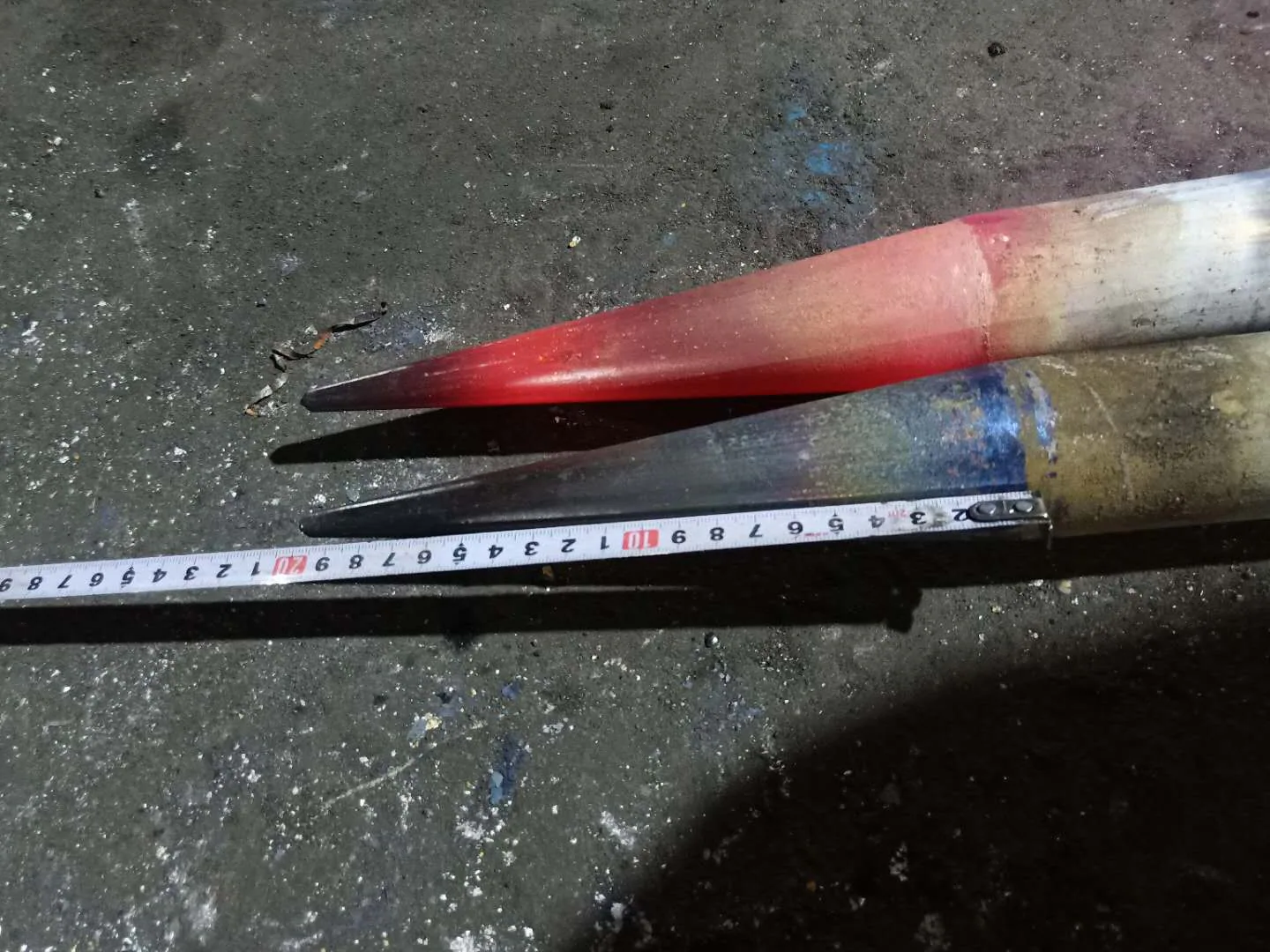
A hydraulic tapering process coordinated with induction heating to prepare a steel pipe end for the next ground screw production step.
Use the stated range as a practical starting point. We confirm the final configuration against your drawing, material and operating conditions.
Discuss this product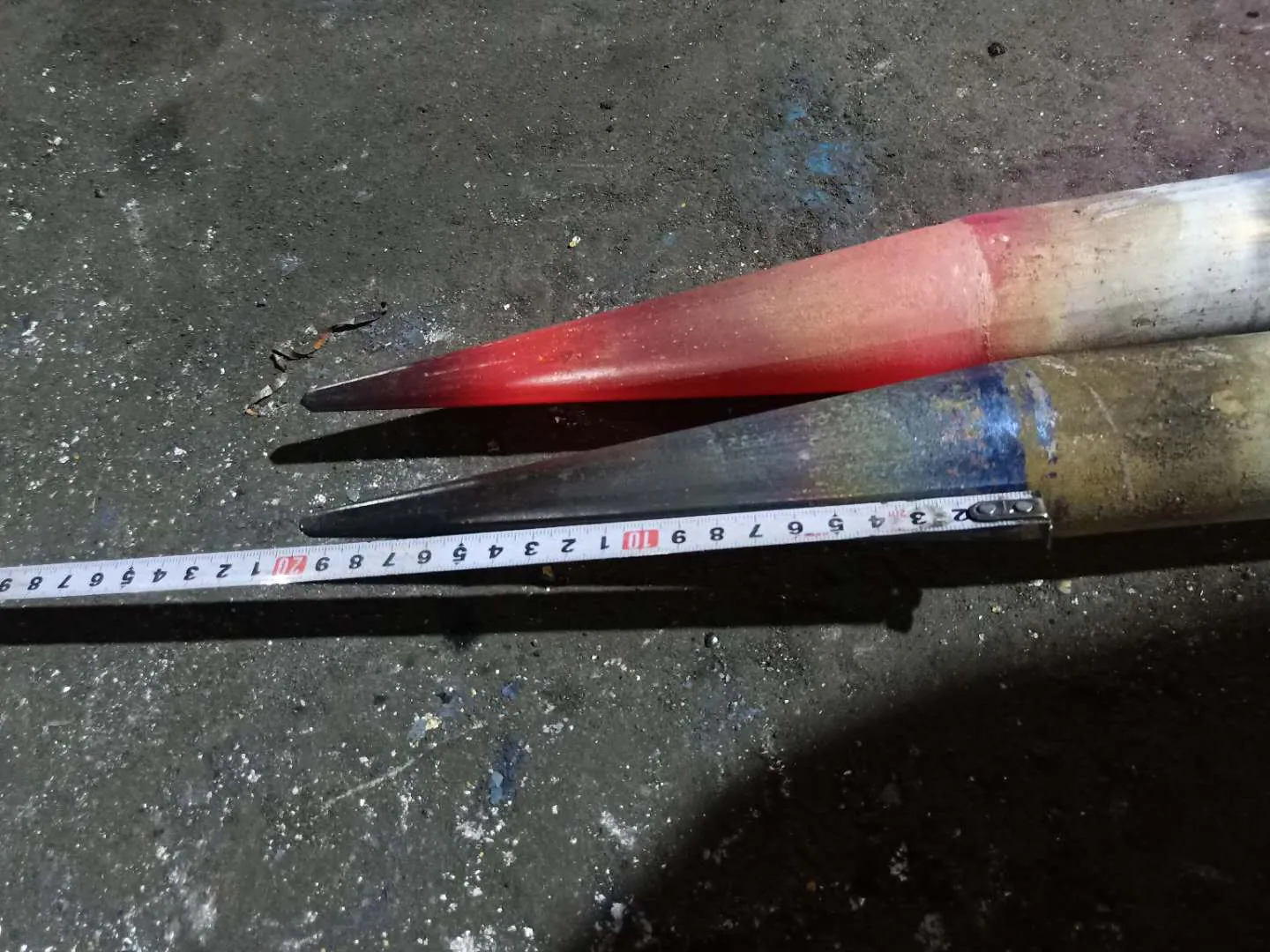
- Ground screw pipe preparation
- Pipe-end tapering
- Foundation screw lines
- Steel tube forming
Product data
Product Specifications
| Parameter | Specification |
|---|---|
| Pipe diameter by model | 76, 114 or 140 mm |
| Maximum wall thickness | 4–6 mm by model |
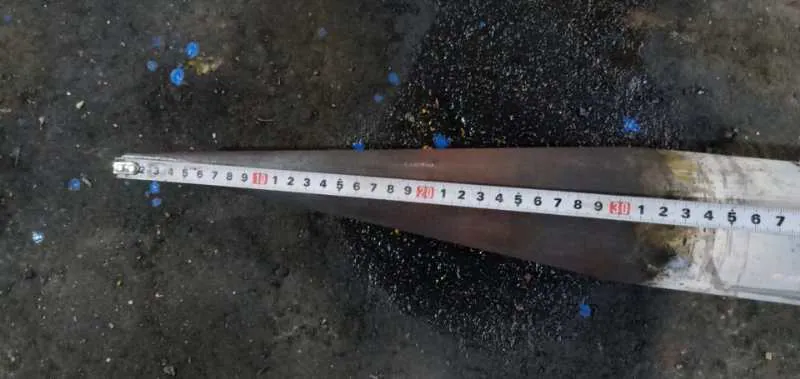
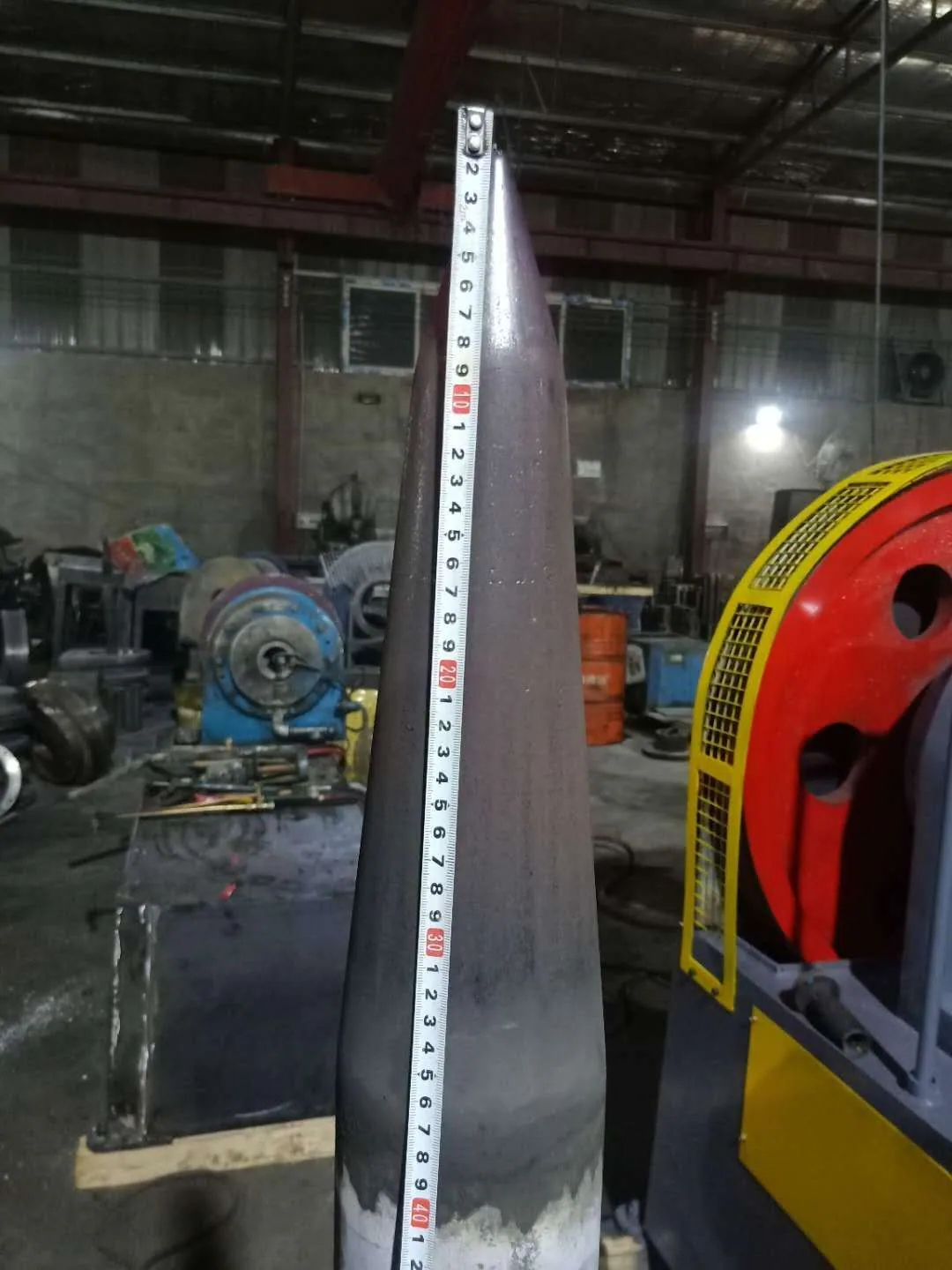
| Maximum tapered length | 340–430 mm by model |
| Machine model examples | ST-01, ST-02 and ST-03 |
| Spindle speed | 248 rpm |
| Machine drive power | 11, 15 or 18 kW by model |
| Machine weight | 2.5, 3 or 5 t by model |
| Hydraulic pump motor | 0.9 kW at 1,420 rpm |
| Furnace input options | 90, 120 or 160 kW |
| Power supply | 380 V, 50–60 Hz |
Workshop reference
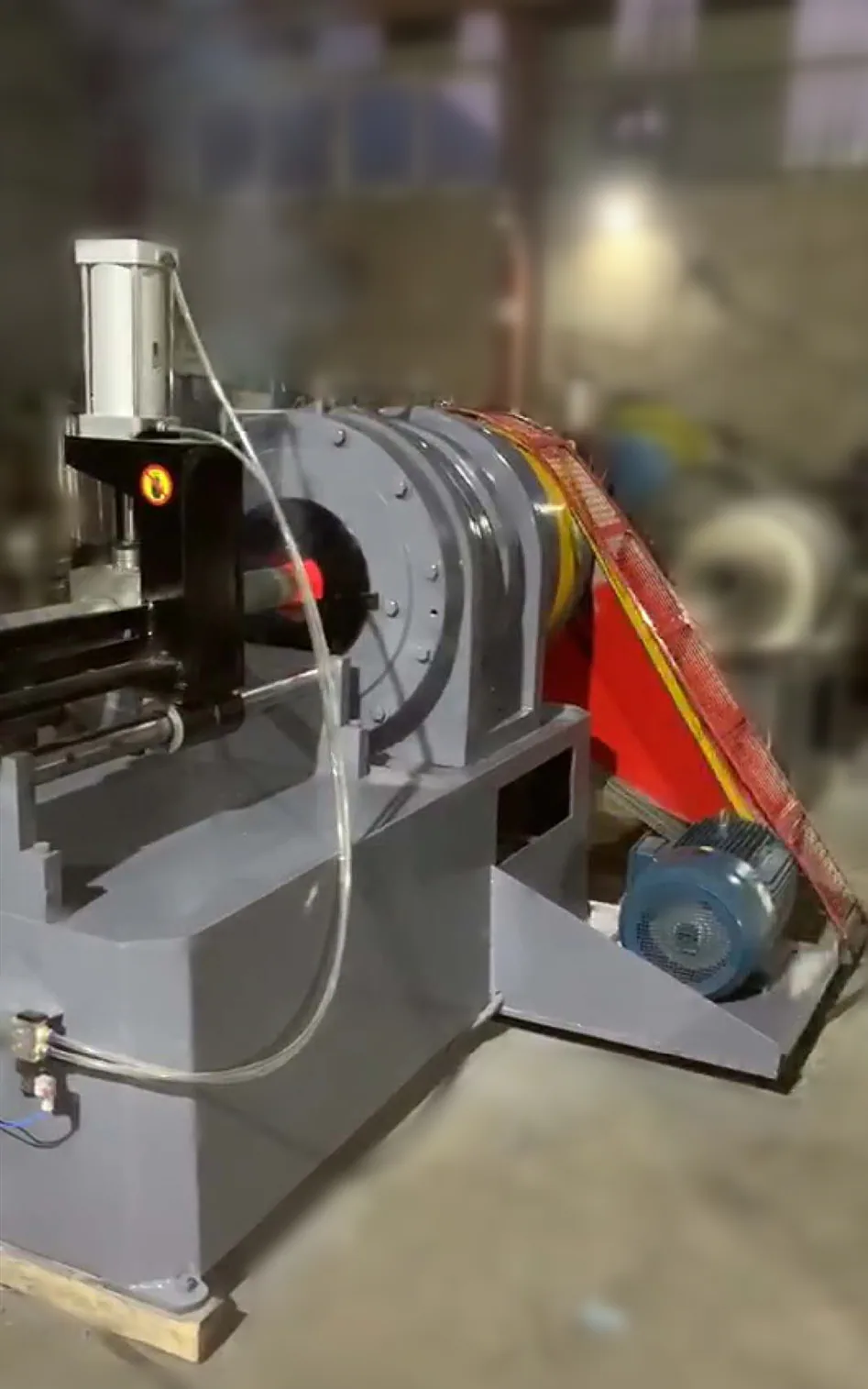
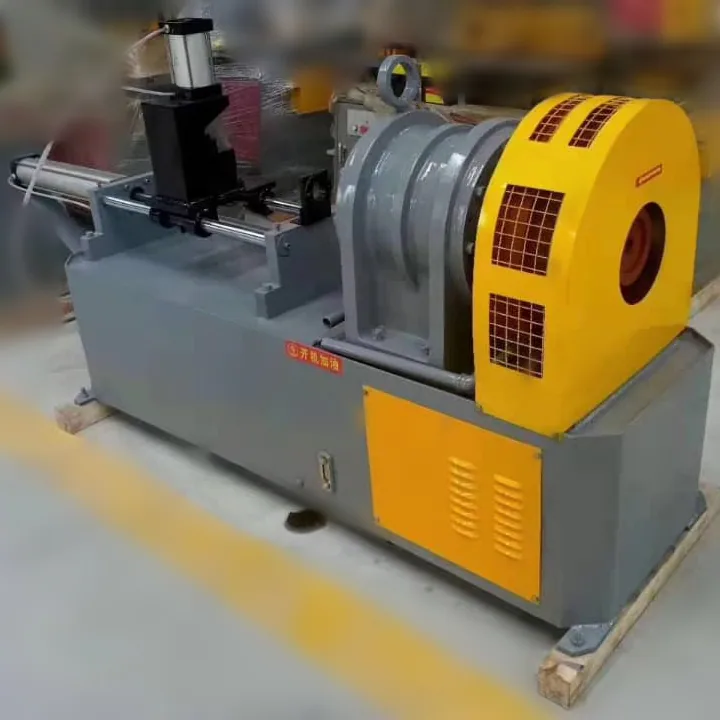
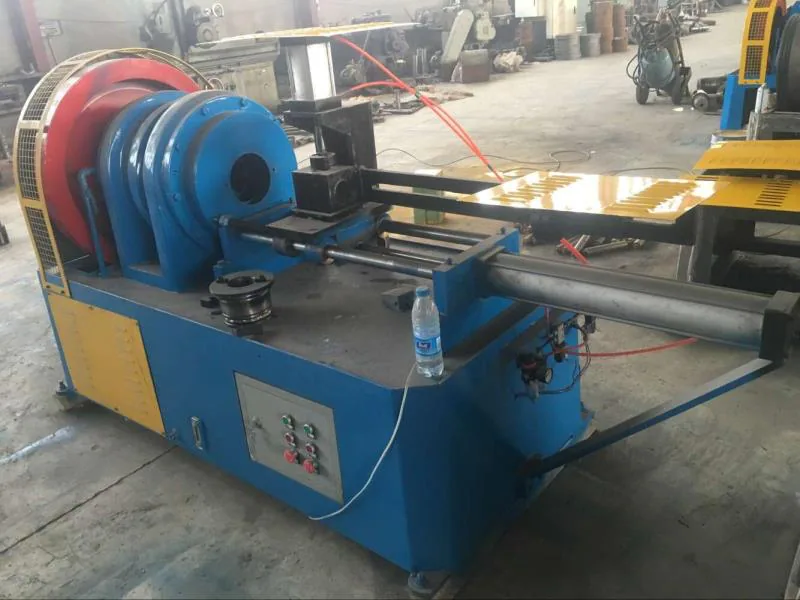
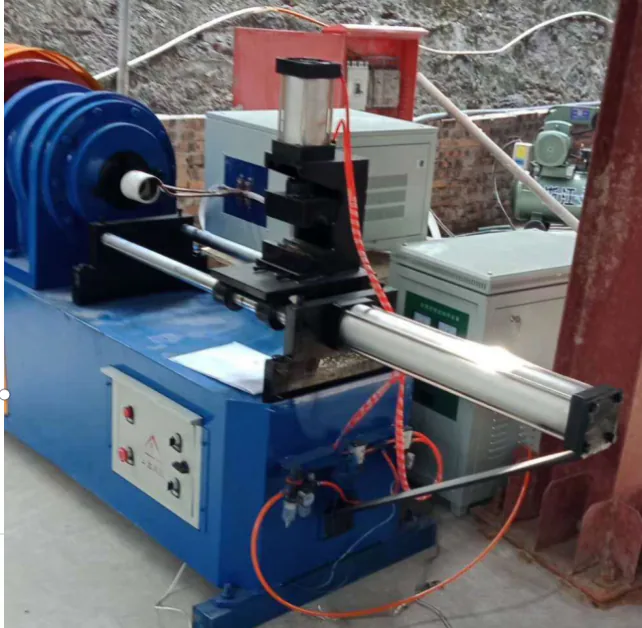
Product and process views
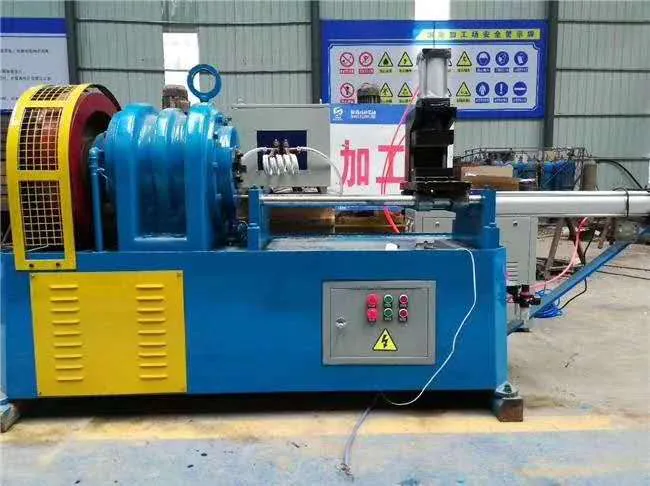
Working principle
The pipe end is heated by an electromagnetic induction furnace, then fed into the tapering machine. A forming mould shapes the heated end until the required profile is reached.
Tube range inputs
Submit raw tube OD, wall thickness, grade, length, straightness and end condition, together with the finished taper drawing and tolerance. If several products share the line, identify the smallest, largest and most difficult tube so the press, tooling and heating duty can be reviewed as a range.
Match the furnace to the model
The supplied data recommends matching furnace capacity to the tapering model and pipe size. Confirm tube grade, diameter, wall thickness and finished taper profile during line planning.
Heating and tapering sequence
The proposed sequence should define tube loading, heating position, target process window, transfer time to the tapering machine, forming strokes, dimensional checking and discharge. The handling method between heating and forming matters because the tube end must reach the tooling in a controlled condition.
Furnace matching
Furnace selection is reviewed with tube section, grade, heated length, cycle expectation, available electrical supply and the forming sequence. A generic power figure is not enough to confirm process performance. Coil design, cooling, temperature monitoring and transfer arrangement should be included in the technical discussion.
Production sequence
Induction heating prepares the tube end for controlled hydraulic forming, after which the taper is produced to suit the next ground-screw fabrication stage. Keeping heating and tapering in one planned cell helps control handling and material condition between operations.
Production-flow interfaces
Show how raw tubes arrive, how heated parts are transferred and where tapered tubes go next. Cutting, drilling, spiral welding, point finishing, coating and inspection may sit around this cell, so loading height, buffer space, lifting method and line direction should be recorded before layout approval.
Choose the model by tube duty
ST-01, ST-02 and ST-03 references cover different pipe diameters, wall thicknesses and taper lengths. Provide the raw pipe specification, finished-point geometry, target cycle time and electrical supply so the tapering press and furnace capacity can be paired correctly.
Quote checklist
- Raw tube OD, wall thickness, grade, length and end condition
- Finished taper length, point geometry, tolerance and drawing
- Smallest, largest and most difficult tube in the product mix
- Required batch size and cycle expectation by representative part
- Factory voltage, phase, frequency and available connected load
- Heating temperature-control and cooling requirements
- Loading, furnace-to-press transfer and unloading method
- Upstream/downstream process interfaces and floor plan
- Destination guarding, ventilation and operator-safety requirements
Before quotation
Frequently asked questions
Use these answers as a starting point. Final geometry, material and equipment scope are confirmed from the project information.
Which tube dimensions are needed before selecting a tapering machine?
Provide raw tube OD, wall thickness, grade, length and end condition together with the finished taper length, point geometry, tolerance and drawing.
How is the induction furnace matched to the tapering press?
Furnace selection is reviewed from tube section, grade, heated length, cycle expectation, available electrical supply, coil design and transfer time to the press.
Can several tube sizes share one production cell?
A product range can be reviewed. Send the smallest, largest and most difficult tubes and identify tooling, coil and handling changes required between them.
What factory information is required?
Confirm voltage, phase, frequency, available connected load, cooling, ventilation, lifting and the floor plan from tube loading through furnace, press and discharge.
What process steps should the buyer define?
Define loading, heating position, process control, transfer, forming strokes, dimensional checking, unloading and the next cutting, drilling, welding or coating operation.
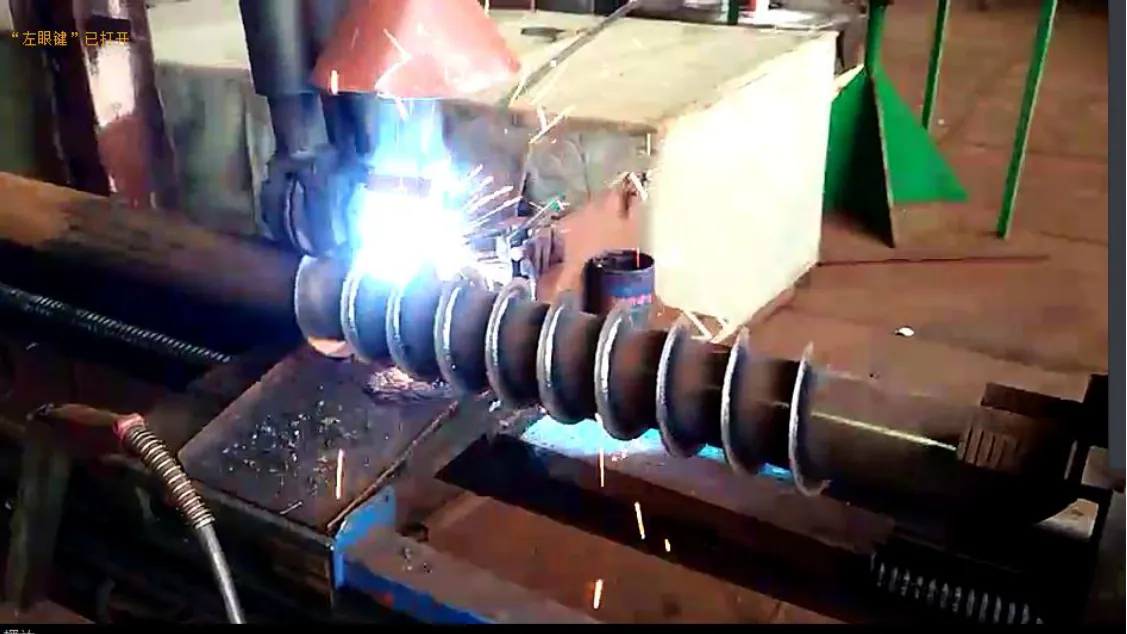
Spiral Forming and Welding Machine
A coordinated machine for winding a spiral directly on pipe and welding during the same forming step.
View details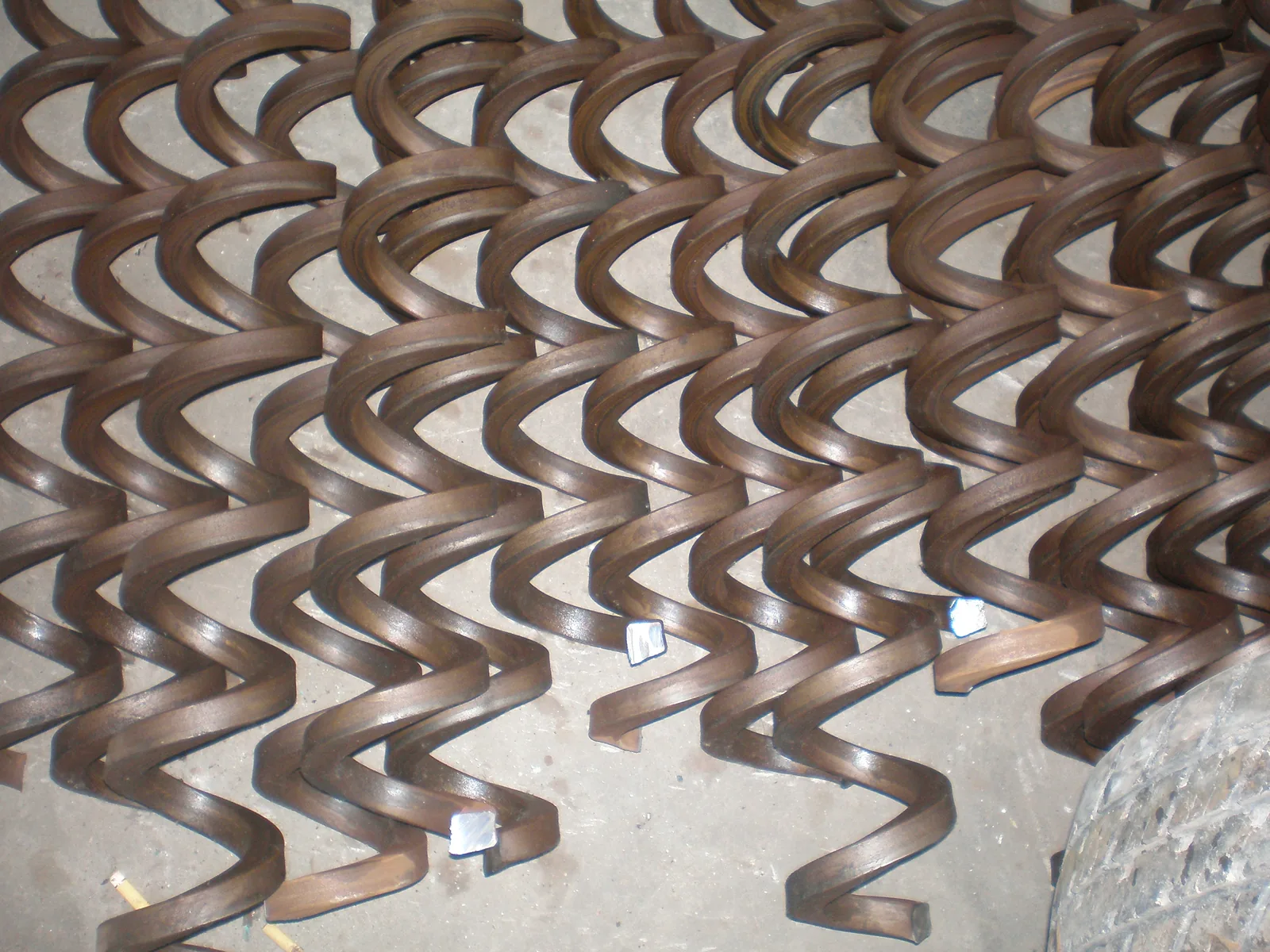
Square-Bar Flexible Auger
A flexible auger made from a square-section profile, with the bar section, coil geometry and installed tube route reviewed as one system.
View details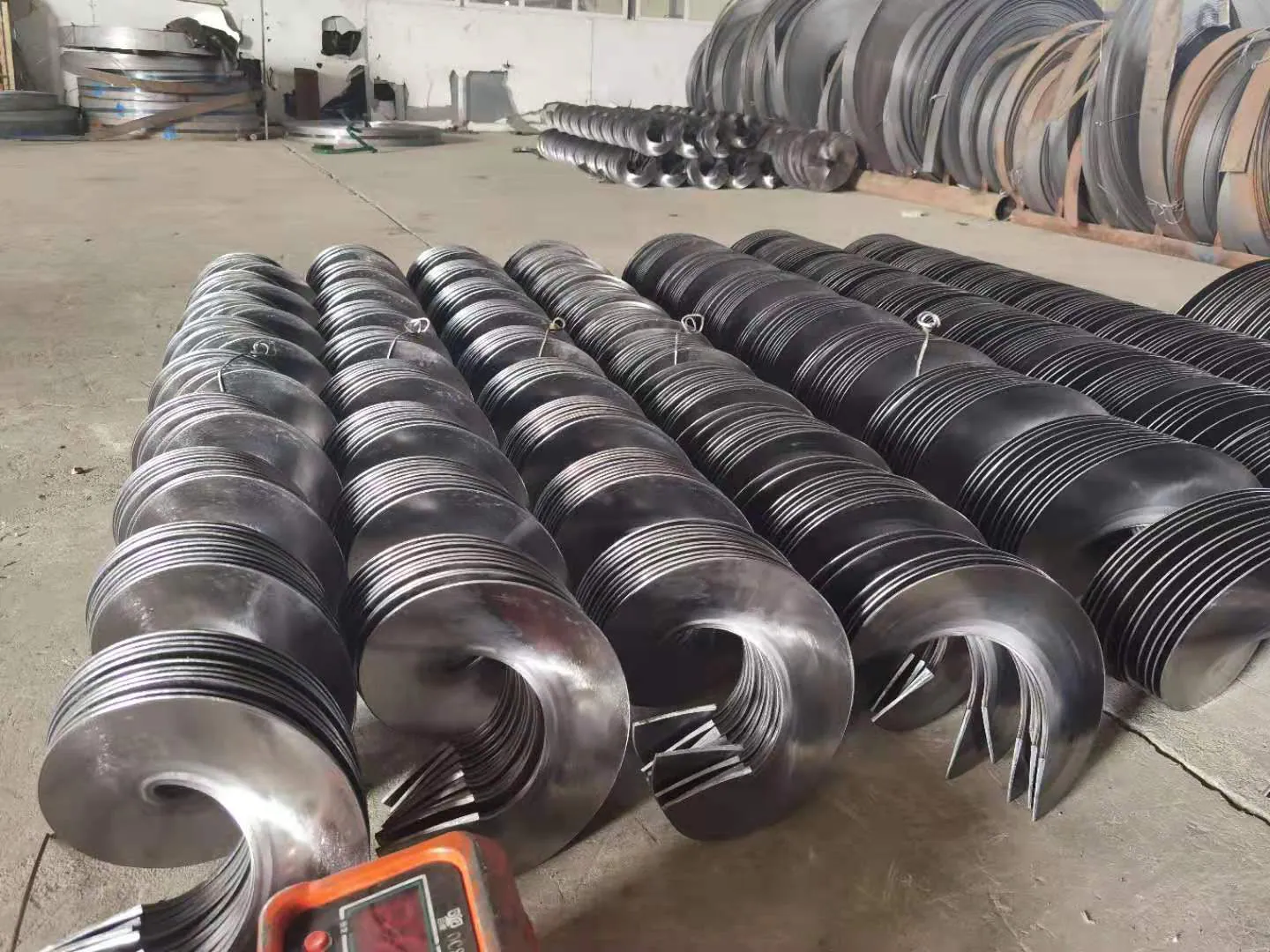
Cold-Rolled Continuous Screw Flight
Cold-formed strip flighting for applications that need continuous, seamless geometry and controlled pitch, diameter and thickness.
View details
Continuous Constant-Thickness Auger Flight
A continuous mould-winding route for multi-pitch flights where material utilization and consistent wall thickness are priorities.
View detailsEngineering review
Discuss your Pipe Tapering Machine and Furnace requirement
Share the diameter, pitch, thickness, material, quantity and application. Our team will review the manufacturing route before quoting.