
Plan the production route
Flight Forming Machines
Compare cold rolling, mould winding and hydraulic pressing machines by finished flight geometry, material and production target.
Available routes
Products in this category
7 products
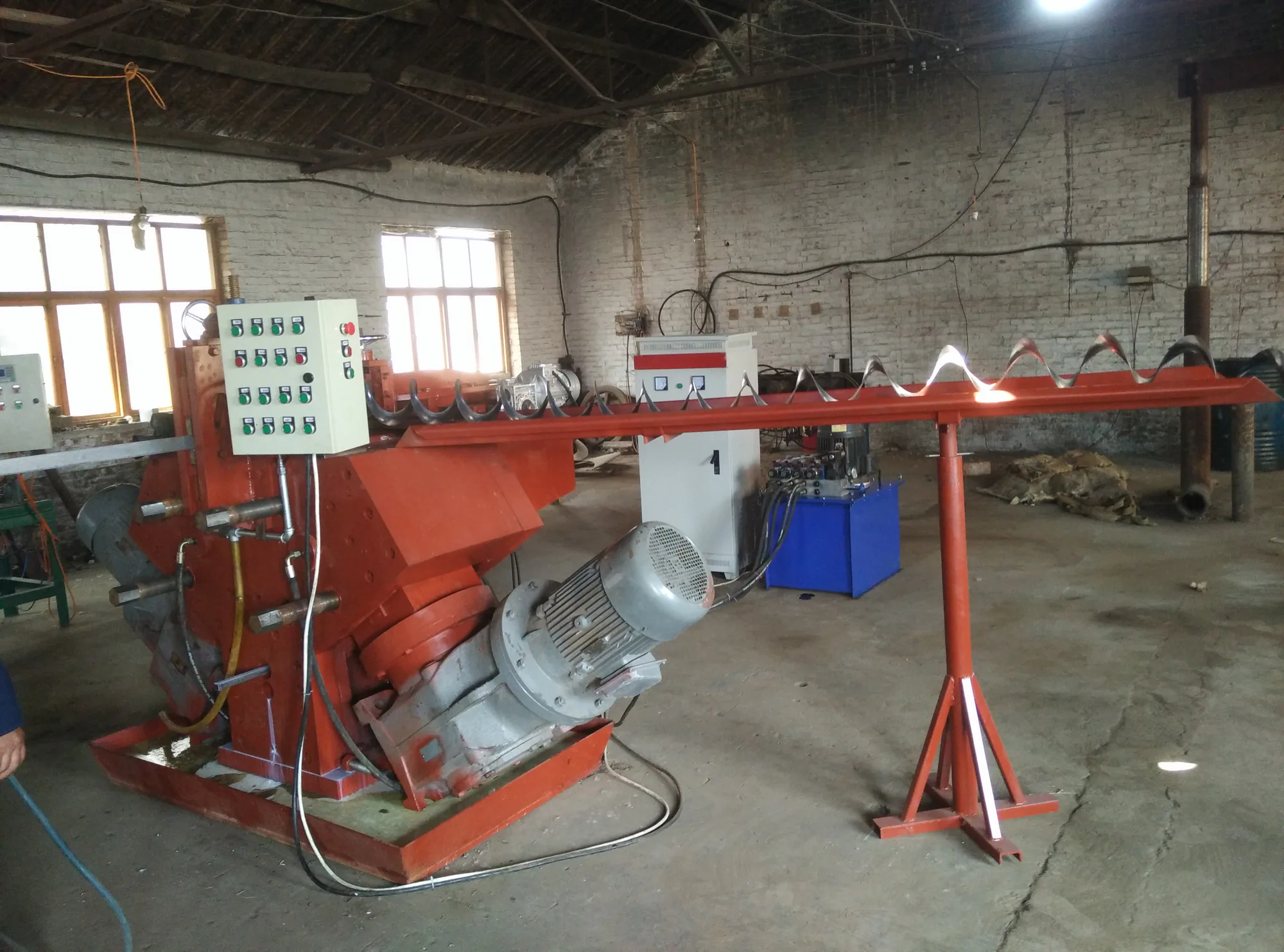
Continuous Screw Flight Cold Rolling Machine
A model-selection page for workshops planning continuous cold-rolled flight production across different strip widths, thicknesses and output targets.
View details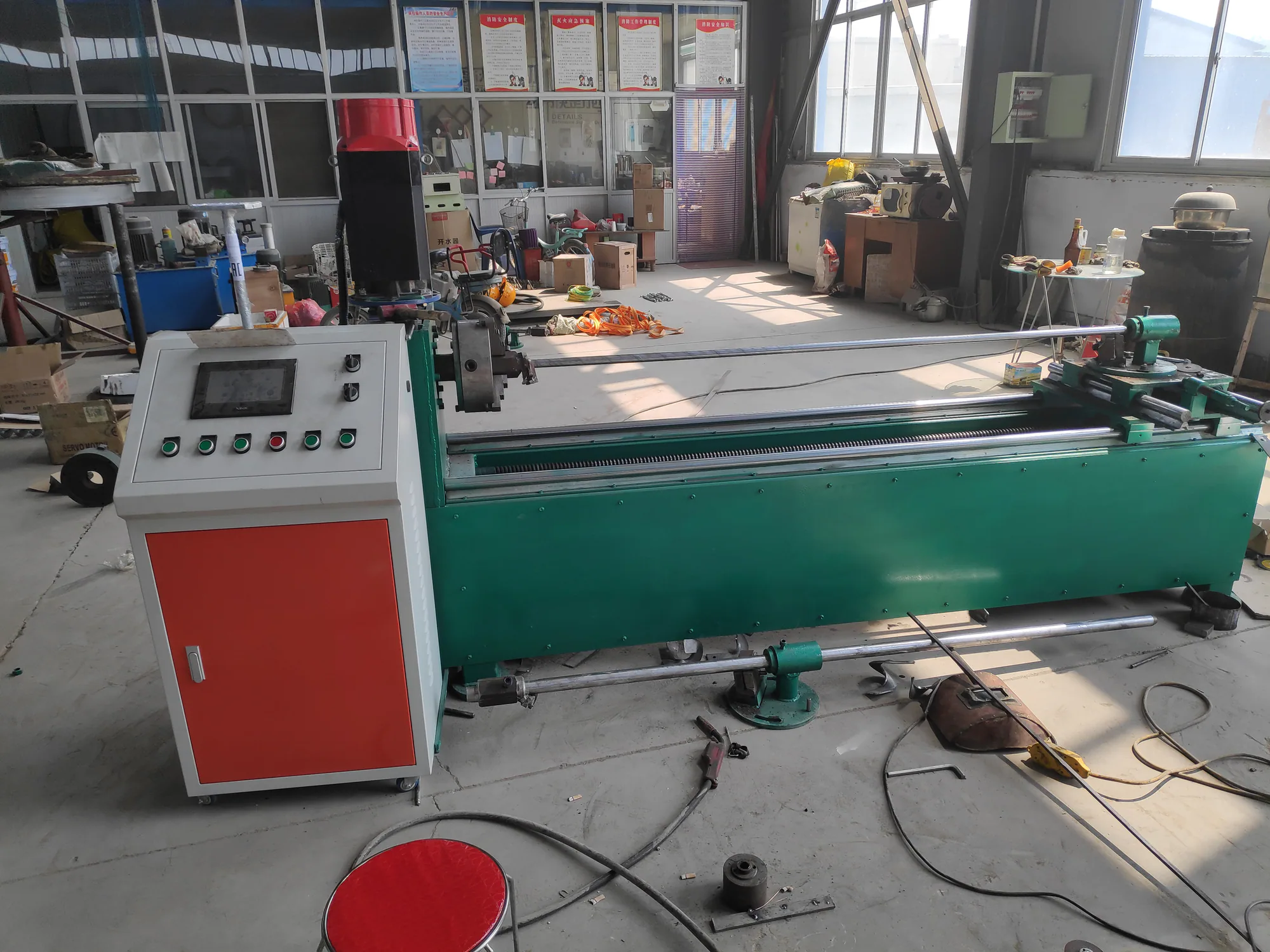
Continuous Screw Flight Winding Machine
Continuous mould-winding equipment for equal-thickness screw flights where compact installation and parameter adjustment are useful.
View details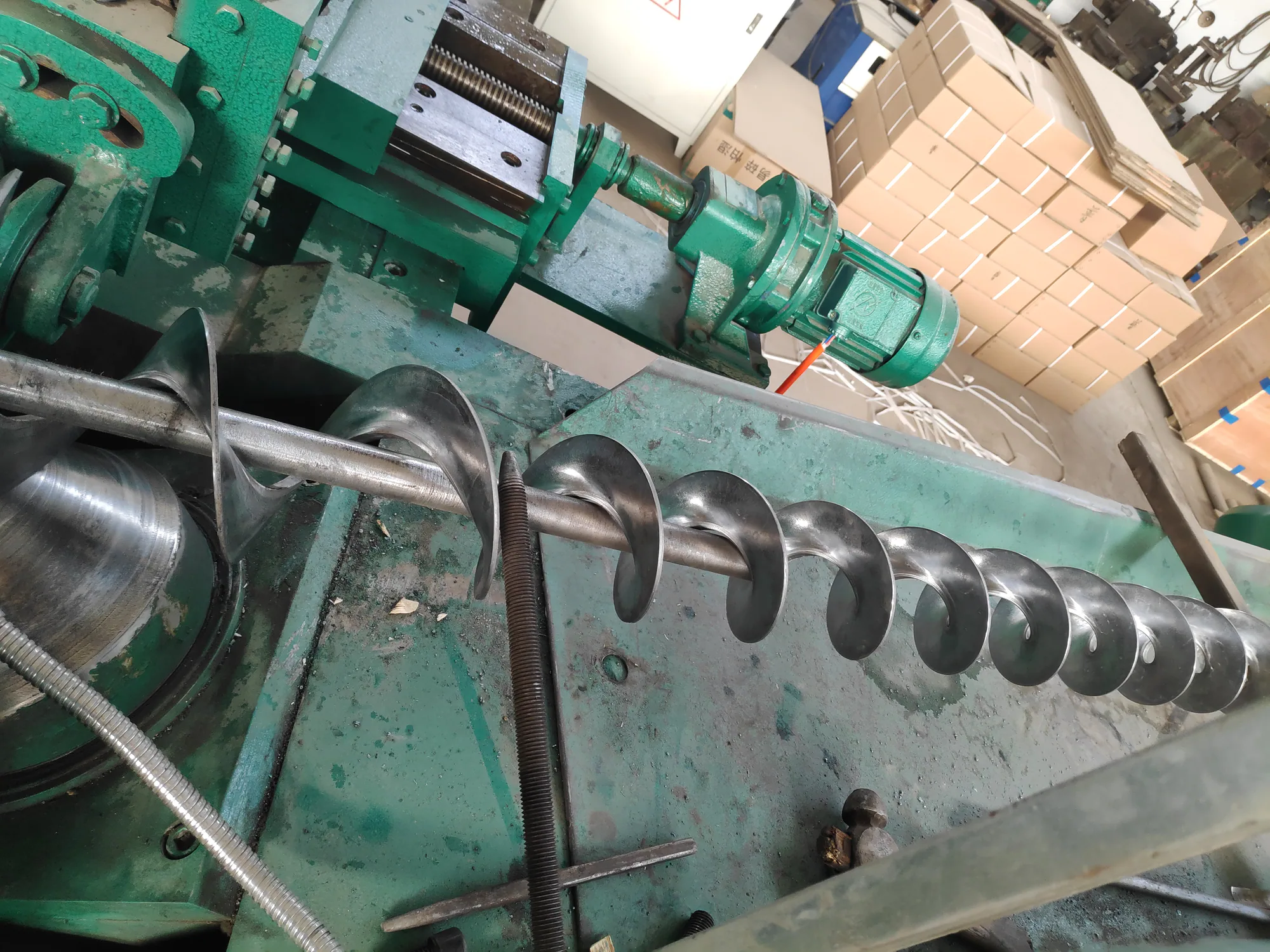
GX130-6M Cold Rolling Machine
A continuous screw flight rolling machine for medium strip widths and repeatable output.
View details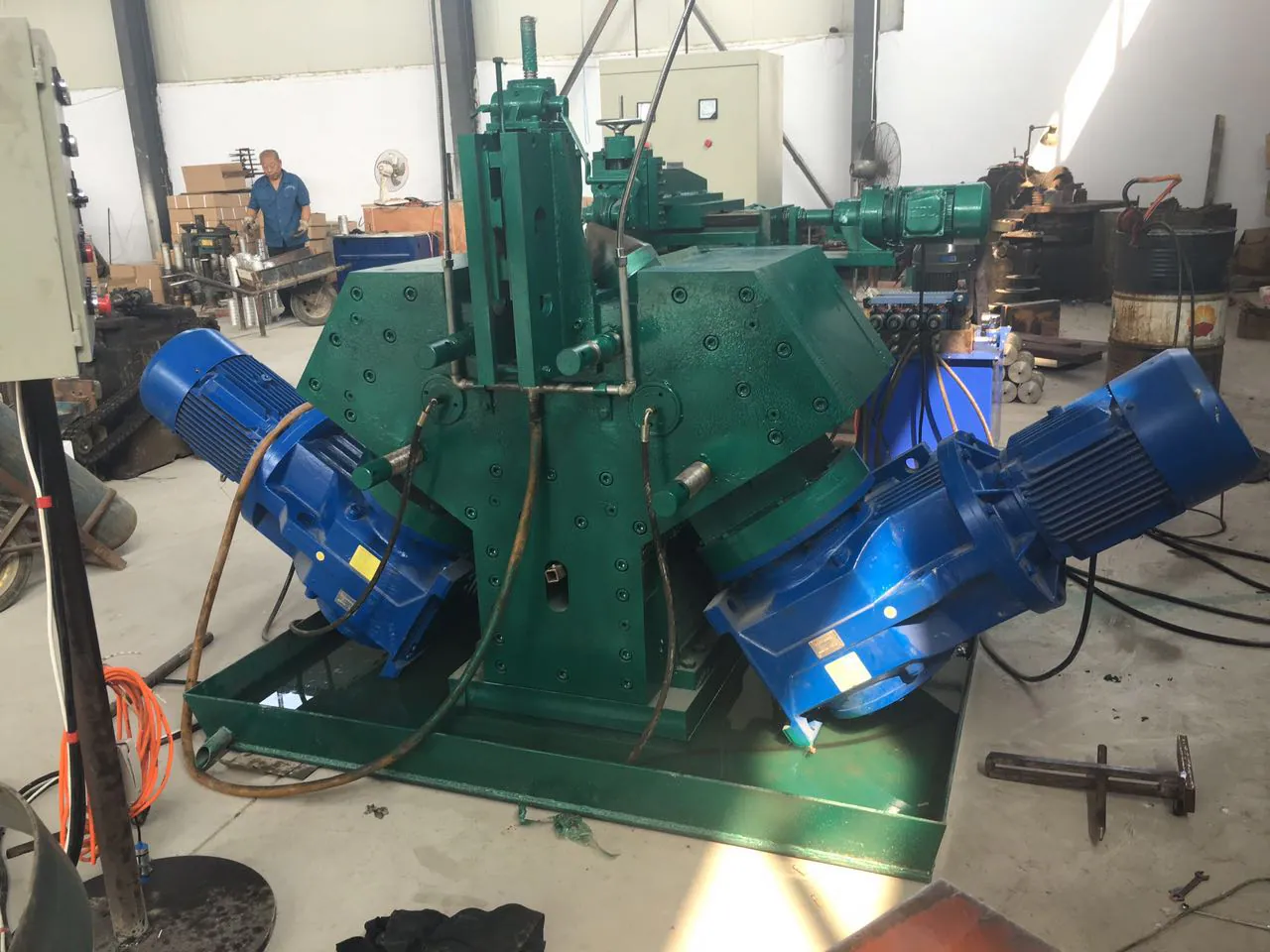
GX150-10L Cold Rolling Machine
A higher-capacity machine configuration for wider strip, larger flight diameters and increased throughput.
View details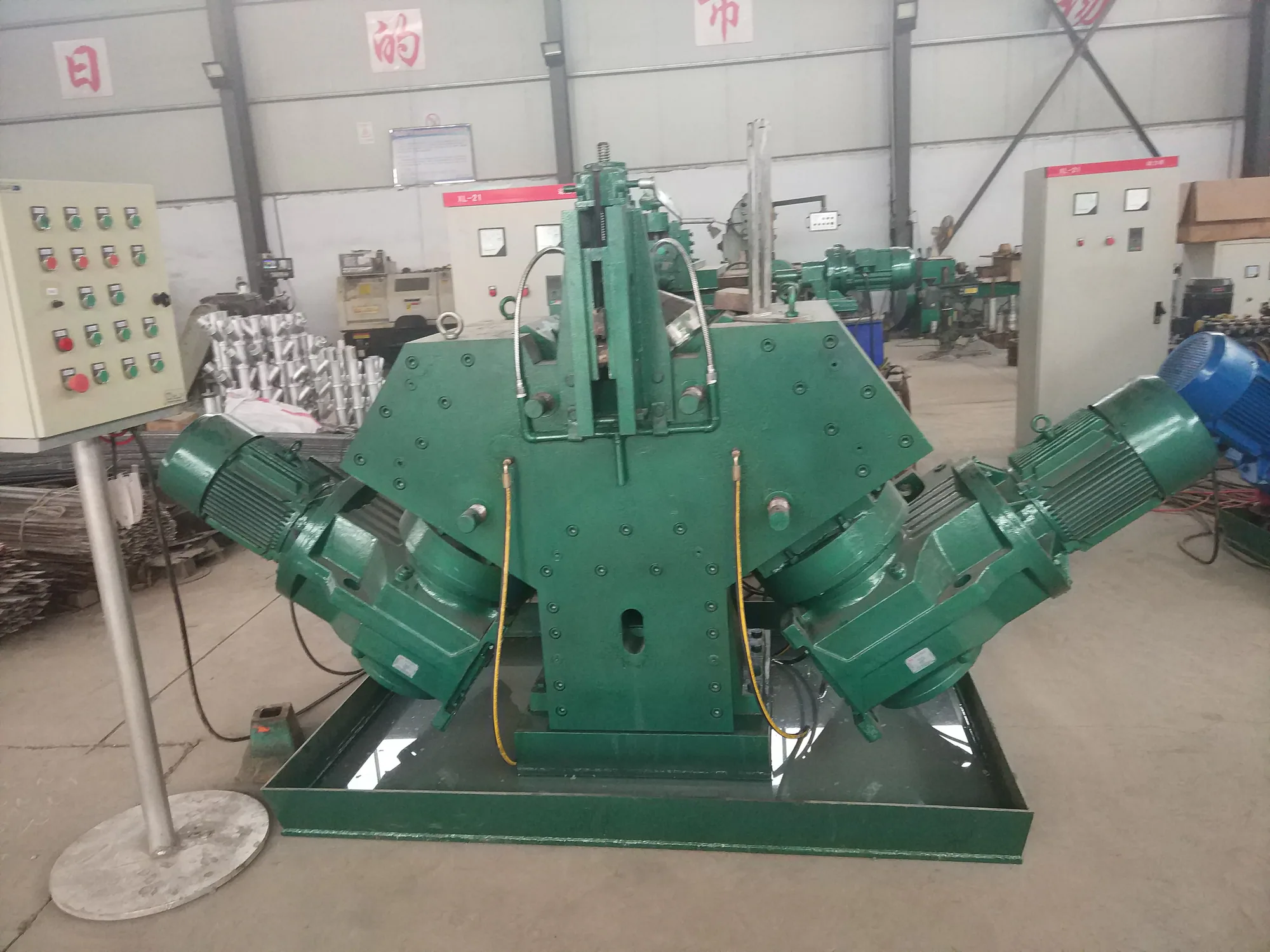
GX60-4S Cold Rolling Machine
A compact continuous cold-rolling option for narrower strip and smaller flight ranges.
View details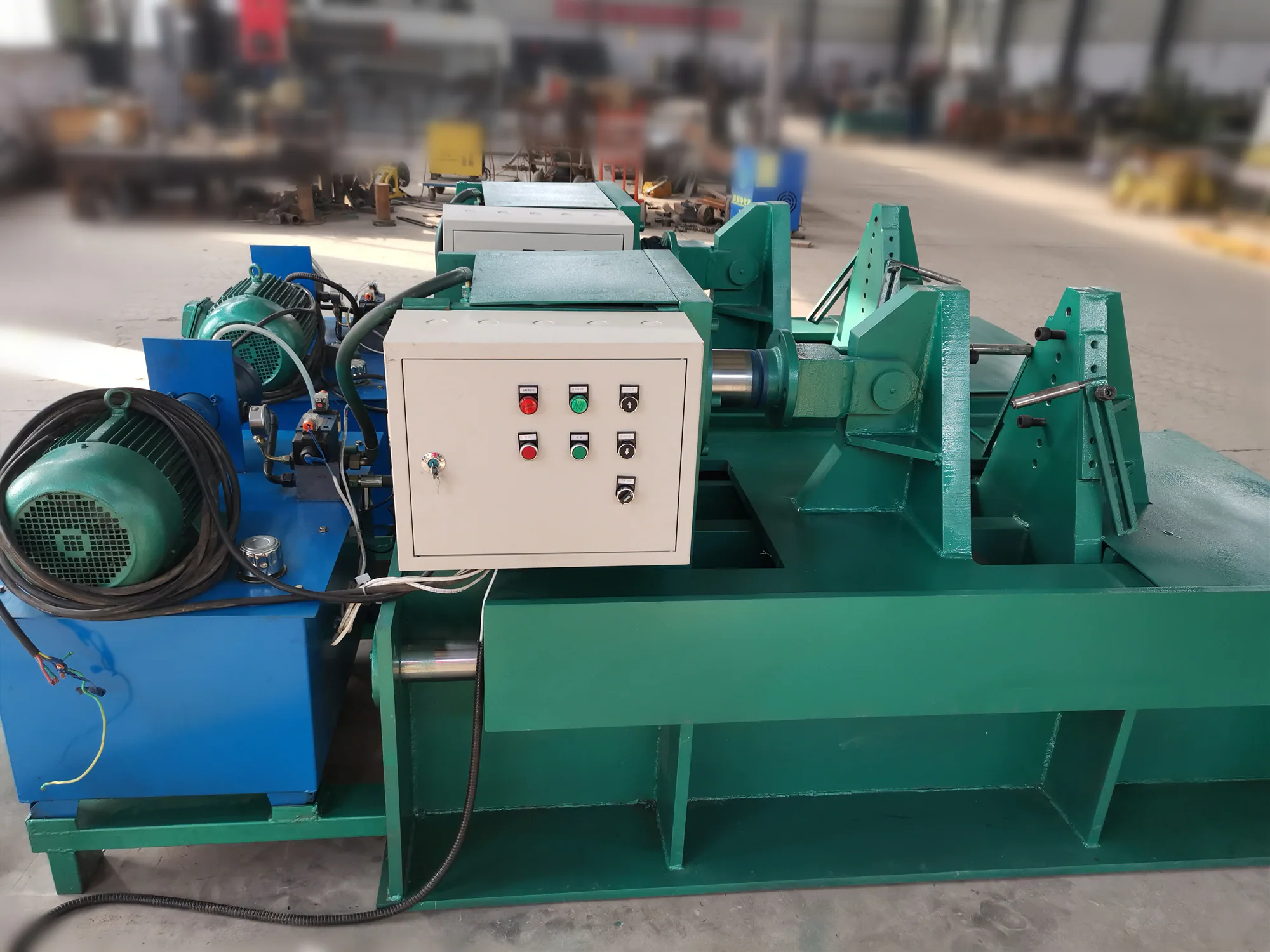
GX800S Hydraulic Pressing Machine
A hydraulic forming route for sectional spiral blades where larger dimensions, thicker plate or difficult materials need individual control.
View details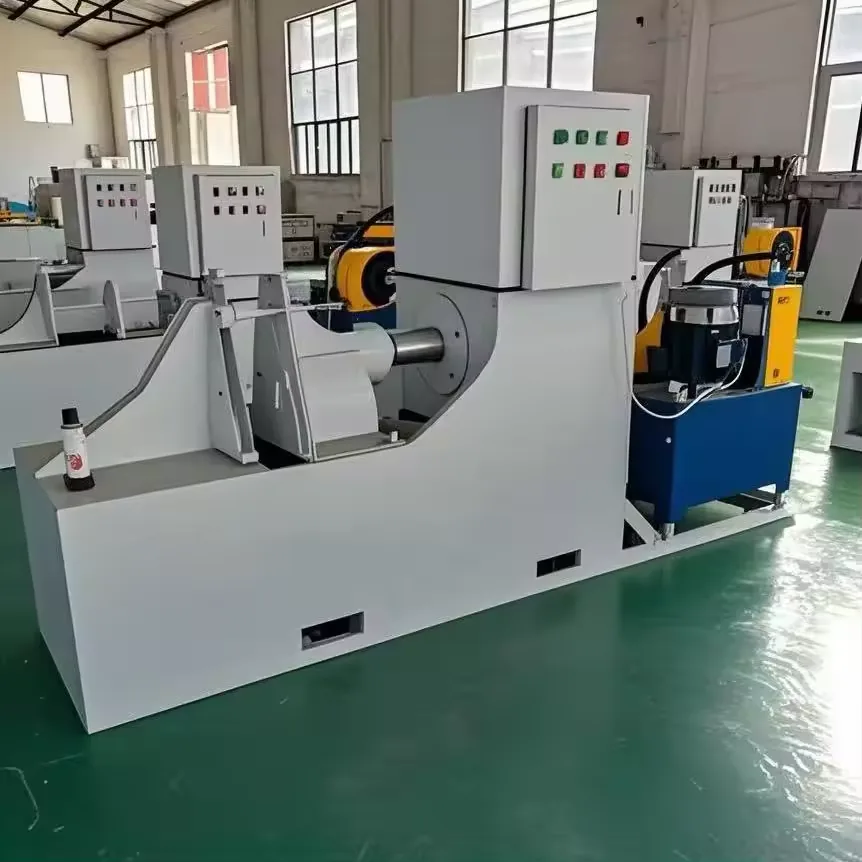
Sectional Flight Forming Machine Range
A hydraulic forming-machine family for individual spiral blade blanks, ranging from compact 20-ton equipment to a customizable 240-ton configuration.
View detailsSelection guidance
Plan the complete application before choosing a product
Use these points to organise the material, route, dimensions and operating information needed for a practical review.
Define the flight range before selecting a machine
A forming machine should be matched to the flight family the workshop intends to make. The main review starts with strip or plate thickness, maximum width, inside and outside diameter, pitch range, material, expected output and whether the product will be continuous or made as individual segments.
Cold rolling for continuous production
The GX cold-rolling models cover different strip widths and production ranges. Model selection should be based on the full planned product mix rather than a single current order. The review also needs to include electrical supply, foundation, material preparation, downstream cutting and how finished flighting will be handled.
Mould winding for equal-thickness continuous flight
Mould winding forms strip around a controlled spindle and tooling arrangement. It is a separate process route from cold rolling and may be relevant where the inner and outer edges need to remain close in thickness. Tooling and output depend on the section being formed.
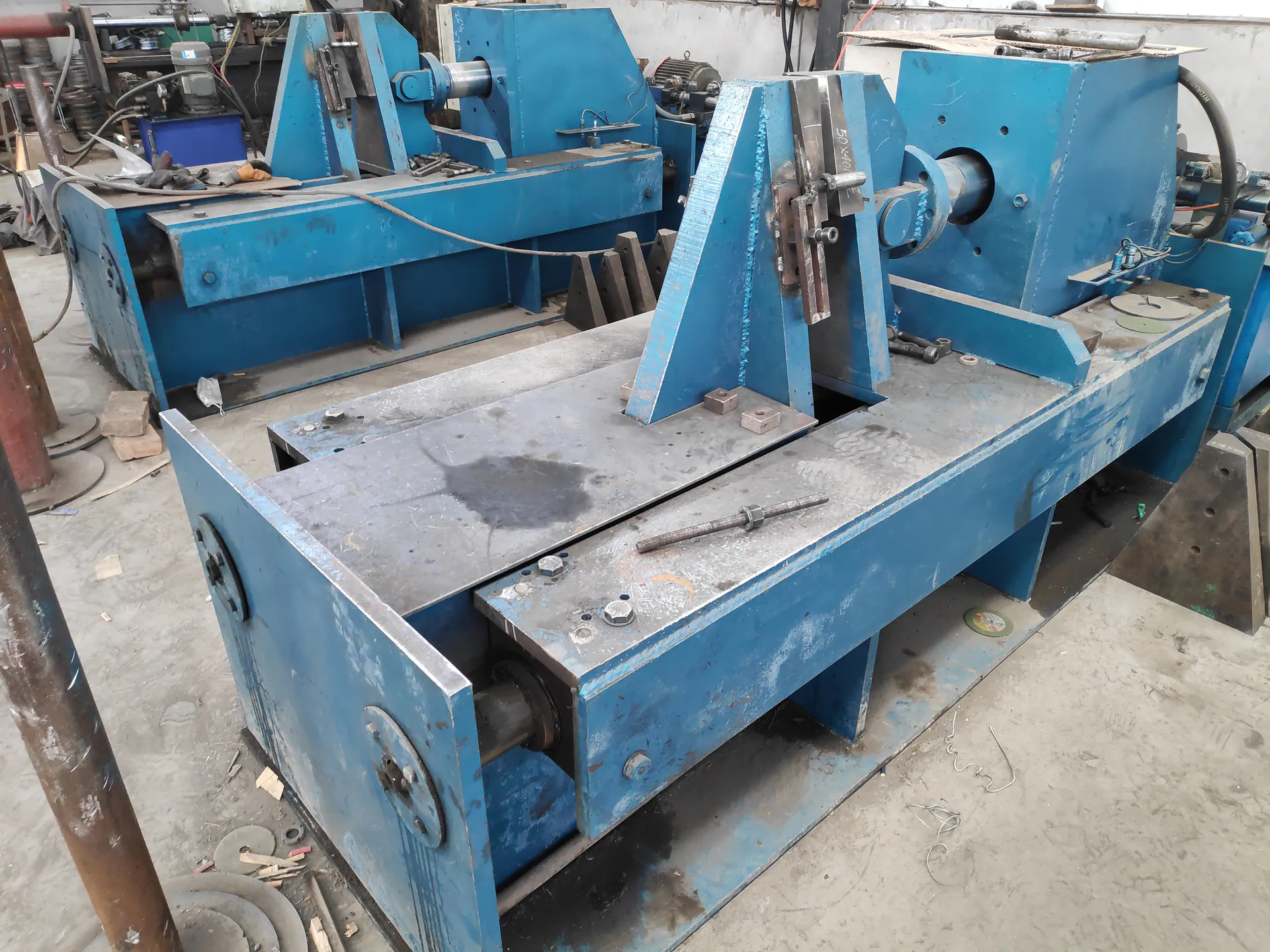
Hydraulic pressing for sectional flight
Press forming is intended for individual segments, especially larger diameters, thicker plate or materials that need controlled forming one piece at a time. The drawing drives tooling design, so cut-outs, bosses, gaps and joint preparation should be included before the machine configuration is confirmed.
The YJ hydraulic series now provides model-level comparison from YJ100 through the customizable YJ850B. Compact YJ100–YJ150 models cover smaller and medium blank programs, YJ180 extends the recorded thickness and pitch range, and YJ850B provides a heavier customizable route. GX800S remains a separate machine configuration. These are not interchangeable catalogue sizes: target drawings, material, tooling and workshop supply determine which route should be quoted.
The separate LZ sectional flight forming machine series provides another reference route with Economy, LZ-3, LZ-5 and LZ-18 configurations. Its catalogue ranges are organized by mould, motor, cylinder, plate, finished geometry and material thickness. They are comparison inputs only; a target drawing and material review still determine the quoted configuration.
Production information to prepare
- Target OD, ID, pitch and thickness range
- Material grades and incoming strip or plate condition
- Required hourly, daily or monthly output
- Continuous length or single-segment requirement
- Available power, workshop space and handling method
- Sample drawings for the smallest, largest and most difficult flight
This approach keeps the equipment discussion tied to real production work instead of choosing by motor power or maximum diameter alone.
Engineering review
Need help choosing a flight forming machines route?
Share the drawing, material, dimensions or production target you already have. We will use them to narrow the relevant option before quotation.