
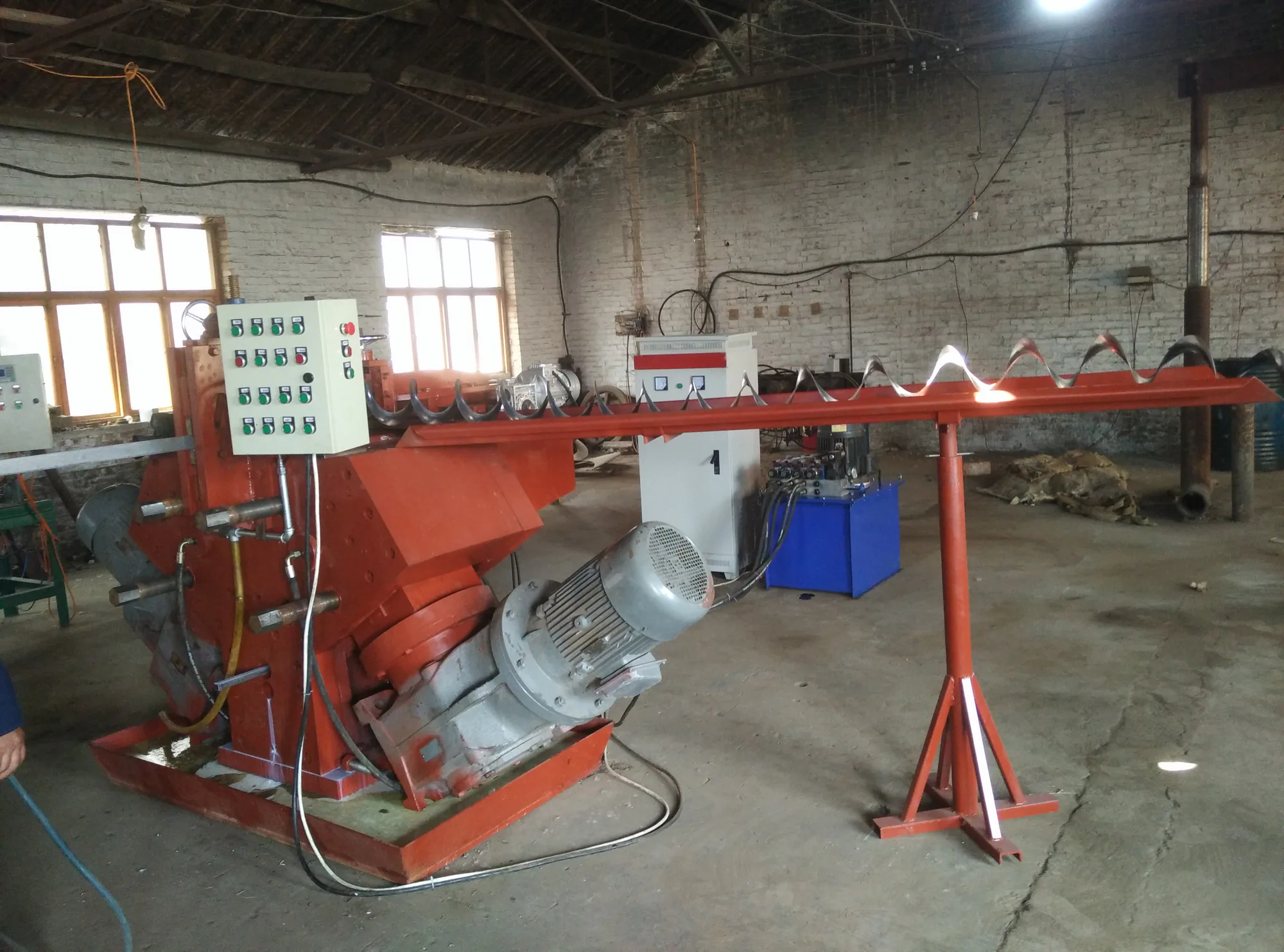
Forming machinery
Continuous Screw Flight Cold Rolling Machine
Compare GX60-4S, GX130-6M and GX150-10L cold rolling machines by strip width, thickness, flight diameter and output reference.
Engineering fit
Built around the dimensions, material and production target that matter
A model-selection page for workshops planning continuous cold-rolled flight production across different strip widths, thicknesses and output targets.
Use the stated range as a practical starting point. We confirm the final configuration against your drawing, material and operating conditions.
Discuss this product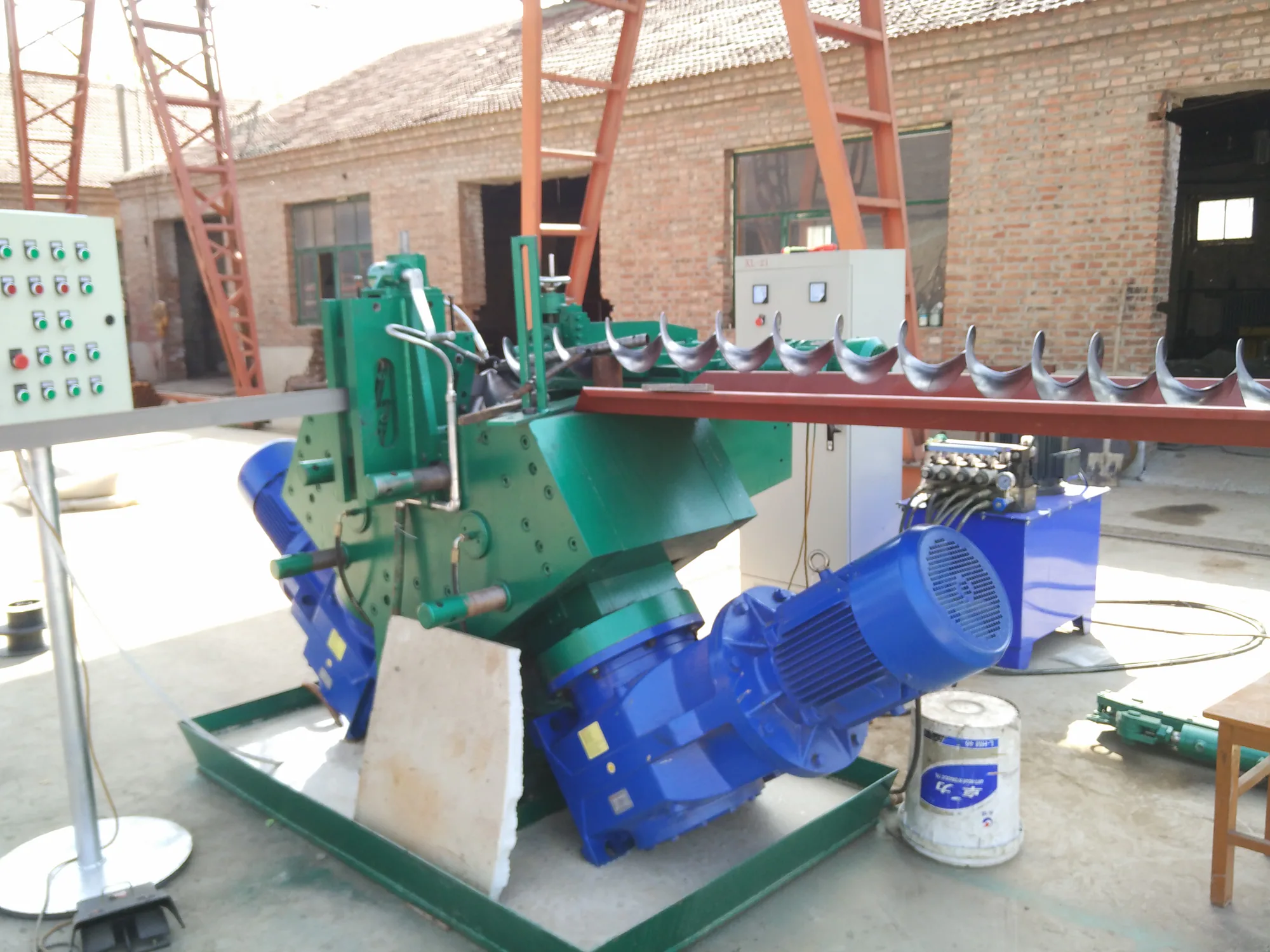
- Continuous screw flight production
- Conveyor and auger flighting
- Mild steel strip
- Stainless steel strip
Size reference
Available Dimension Range
Typical sizes are shown below. Custom dimensions can be produced based on your drawing or requirements.
| Parameter | GX60-4S | GX130-6M | GX150-10L |
|---|---|---|---|
| Roller Speed | Max 17.8rpm | Max 17.8rpm | Max 17.8rpm |
| Main Motor Power | 22Kw | 22Kw | 22Kw |
| Machine Power | 32.5Kw | 32.5Kw | 32.5Kw |
| Motor Speed | 1460rpm | 1460rpm | 1460rpm |
| Strip Max Width | 60mm | 130mm | 150mm |
| Strip Thickness | 2-4mm | 2-6mm | 2-8mm |
| Min ID | 20mm | 20mm | 20mm |
| Max OD | 500mm | 600mm | 800mm |
| Work Efficiency | 0.5T/H | 2T/H | 3T/H |
| Strip Material | Mild Steel, Stainless Steel | Mild Steel, Stainless Steel | Mild Steel, Stainless Steel |
| Weight | 4 Ton | 6 Ton | 7 Ton |
Workshop reference
Product and process views
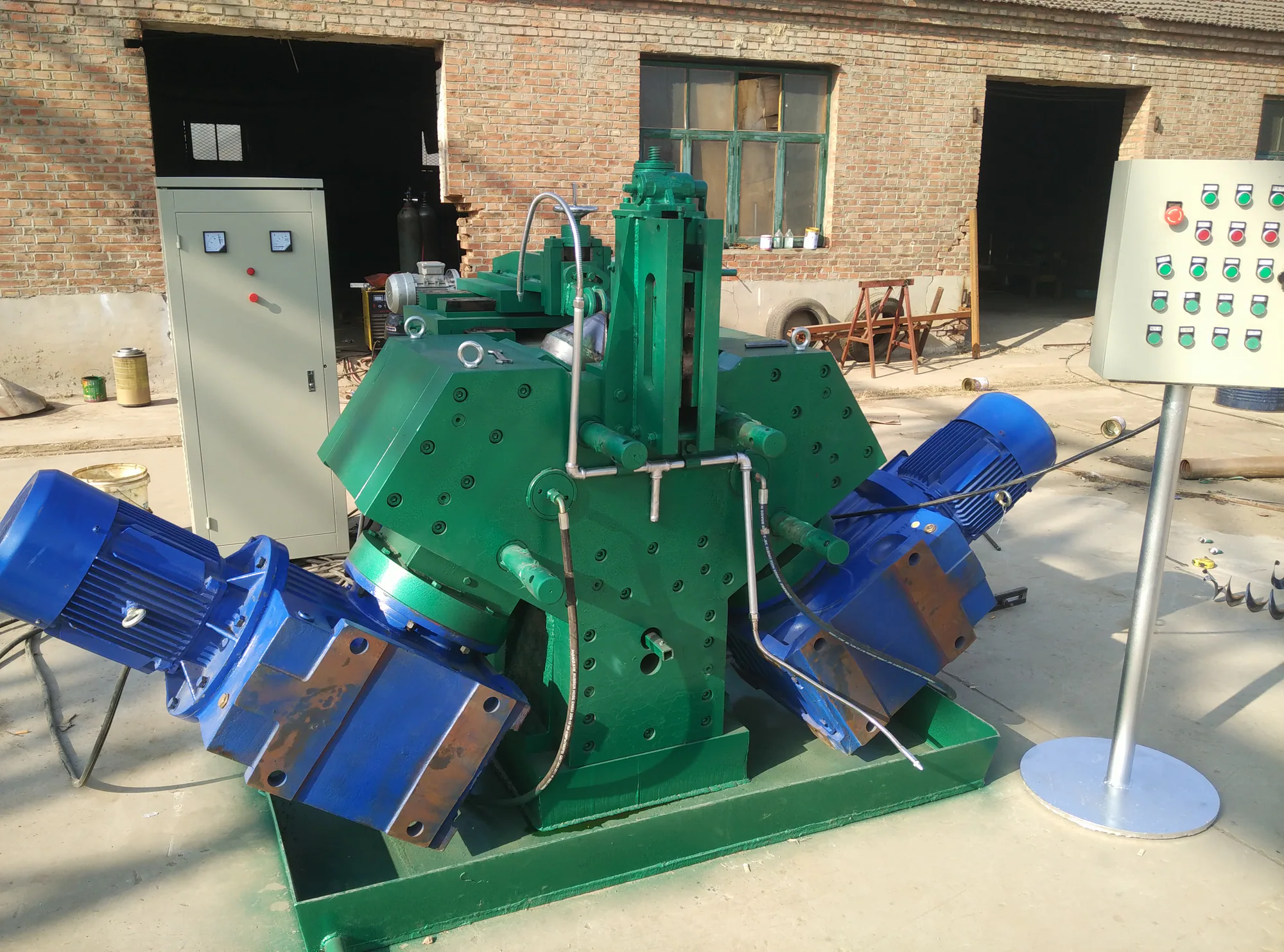
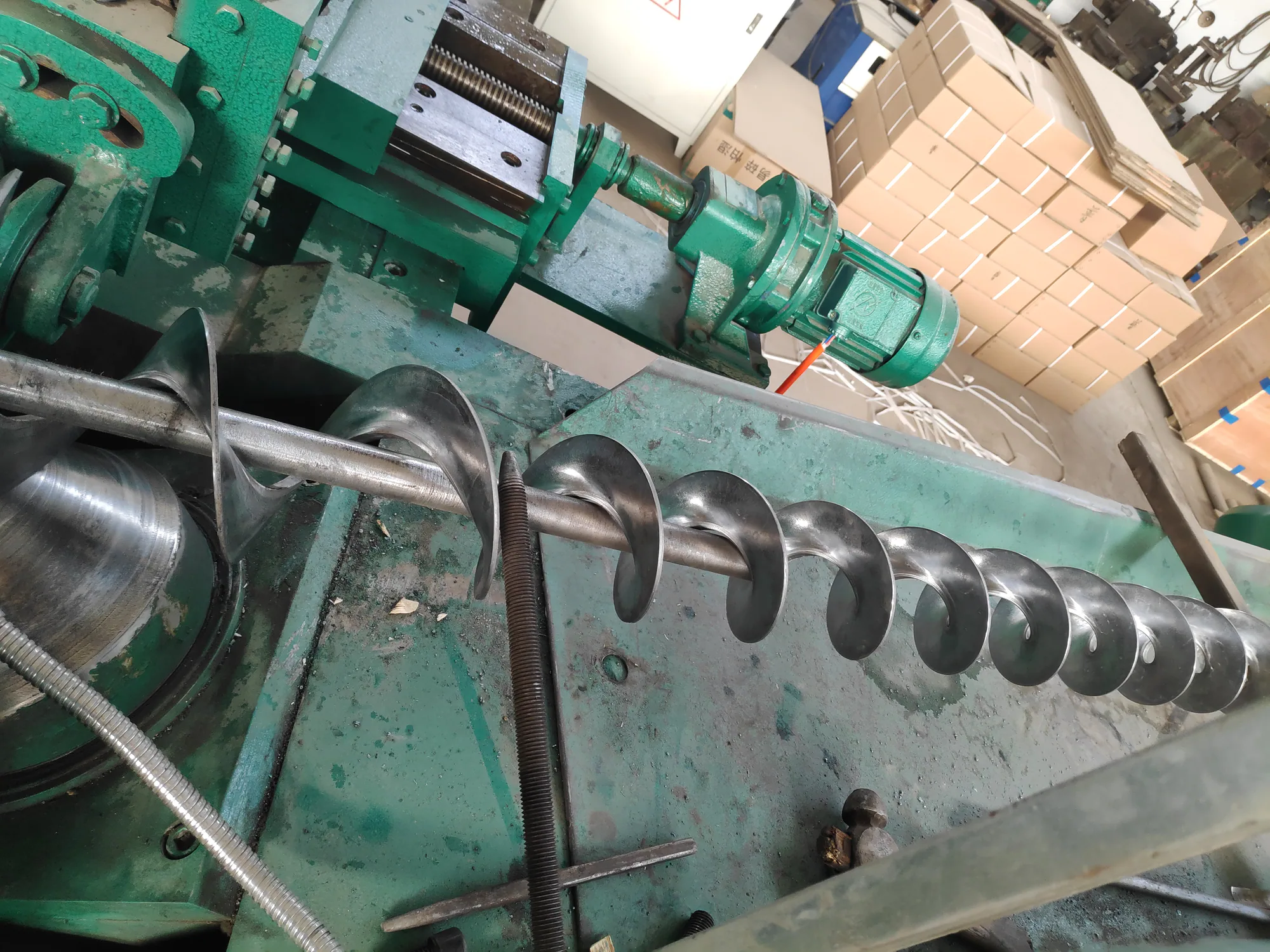
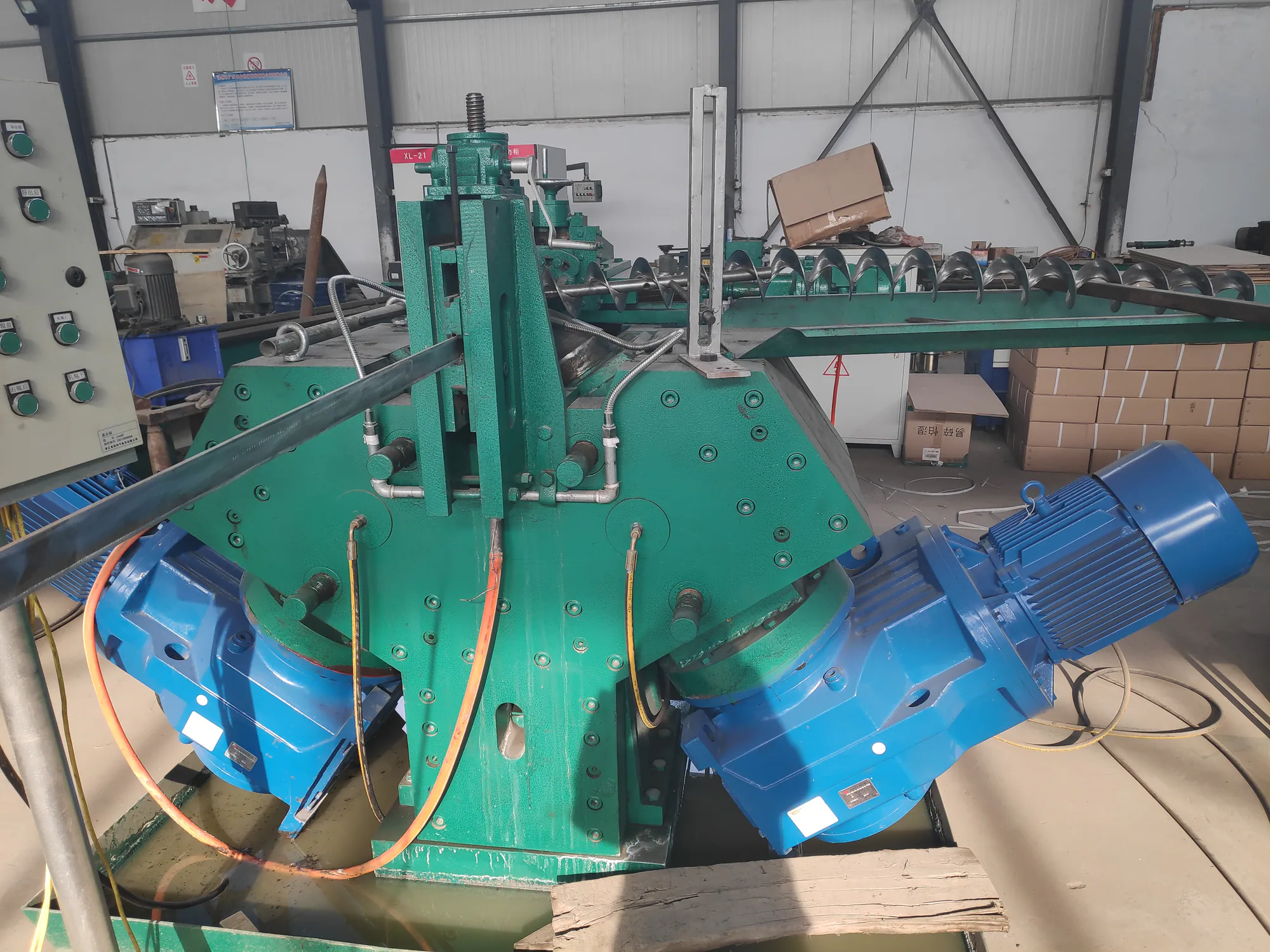
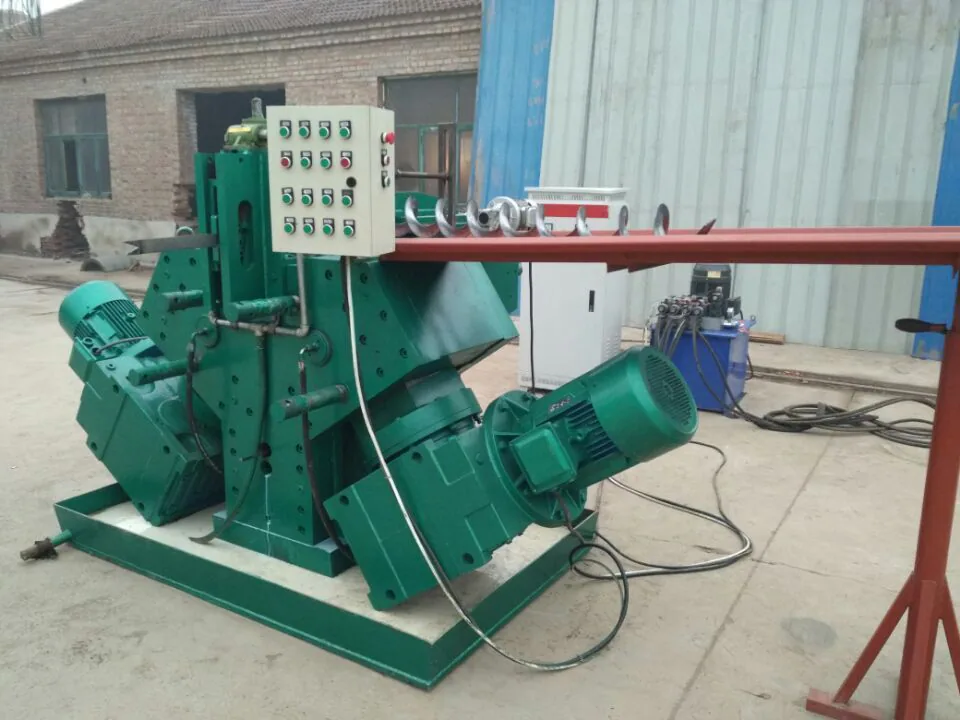
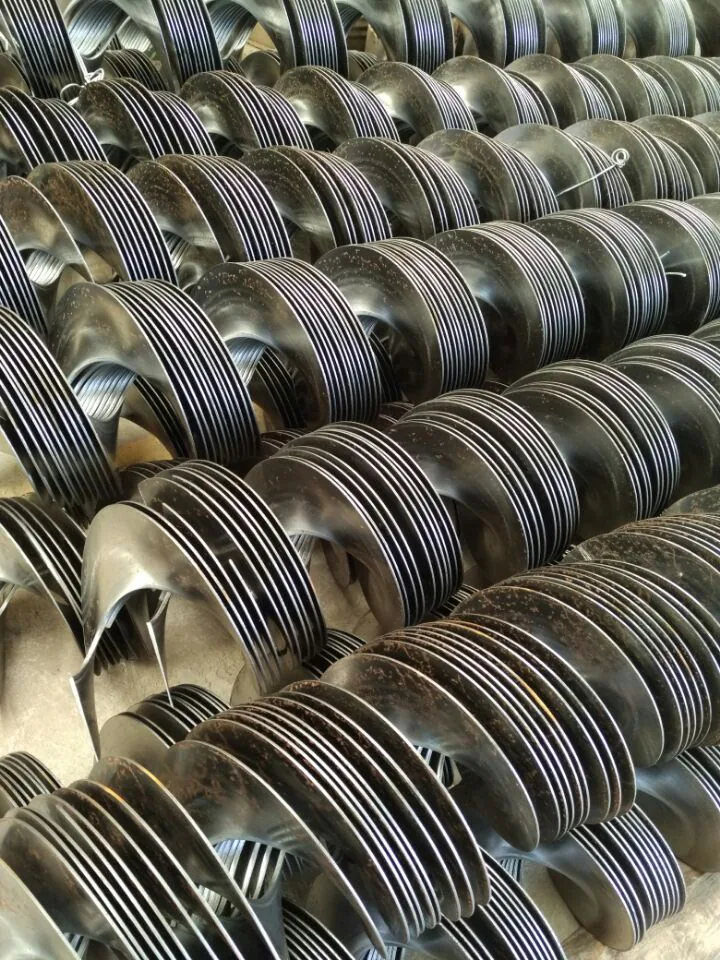
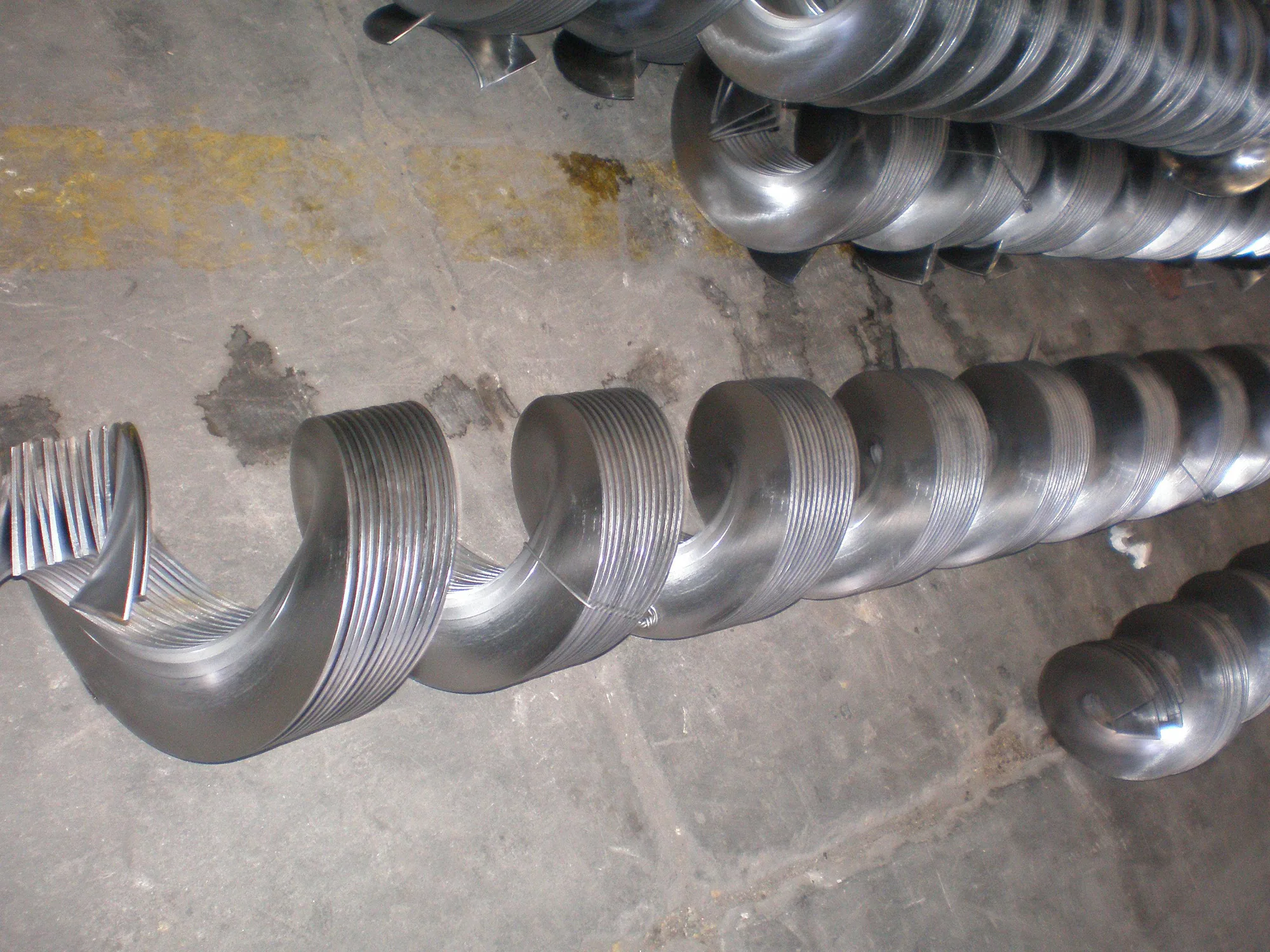
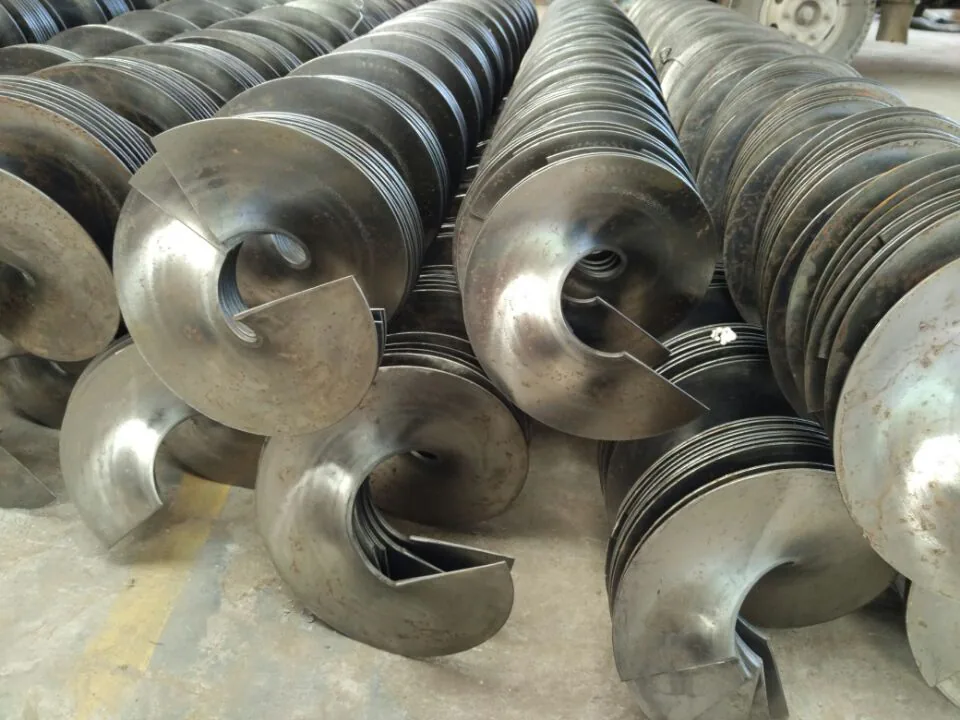
Select a machine from the finished-product range
All three models use controlled rollers to form continuous screw flight from strip at room temperature. The selection should be based on the combined flight range a workshop intends to produce, not only the largest outside diameter or the current order.
Coil handling and strip preparation
The production cell starts before the forming rollers. Coil mass and dimensions, loading method, payoff direction, braking or tension control and strip straightening should be reviewed with the machine. Material grade, edge condition and coil consistency affect setup and must be stated with the planned flight range.
Roller setup and product changeover
Rollers and guides are selected and adjusted for the intended flight geometry. Provide representative drawings for the smallest, largest and most difficult products so the proposal can identify tooling coverage, setup checks, trial material and any geometry that needs a separate forming review.
Cut-off and finished-flight handling
Confirm how the continuous flight will be measured, supported and cut, and whether it moves directly to a shaft-fitting or welding station. The cut-off method, take-off clearance and support arrangement should be included in the line discussion rather than treated as an afterthought.
Documented model comparison
| Model | Maximum strip width | Strip thickness | Minimum ID | Maximum OD | Output reference | Machine weight |
|---|---|---|---|---|---|---|
| GX60-4S | 60 mm | 2–4 mm | 20 mm | 500 mm | 0.5 t/h | 4 t |
| GX130-6M | 130 mm | 2–6 mm | 20 mm | 600 mm | 2 t/h | 6 t |
| GX150-10L | 150 mm | 2–8 mm | 20 mm | 800 mm | 3 t/h | 7 t |
The values above are documented model references. A valid flight range depends on the full combination of ID, OD, pitch, strip width, thickness and material. Output also changes with the selected product and operating conditions.
Review the complete production cell
Machine choice also affects incoming strip preparation, roller configuration, cutting, finished-flight handling, electrical supply, foundation and operator access. Provide the planned workshop layout if the unit must connect to existing upstream or downstream equipment.
Utilities and site information
Send destination voltage, phase, frequency, available connected load and any site-specific control requirements. Include floor condition, available lifting equipment, access doors, ambient constraints and the workshop layout. Final electrical, foundation, guarding and service scope is confirmed in the technical quotation.
Model detail records
The GX60-4S, GX130-6M and GX150-10L pages retain the currently documented model data and workshop images. They remain non-indexable supporting records while this comparison page owns the main search intent.
Information needed before configuration
Send representative drawings for the smallest, largest and most difficult flights; the material range; expected output; electrical supply; available floor space; and any required line interfaces. Final configuration and performance commitments belong in the approved technical agreement.
Buyer drawing inputs
- OD, ID, pitch, thickness, hand and finished flight length
- Strip width, material grade, coil dimensions and incoming condition
- Smallest, largest and most difficult product drawings
- Product mix, batch size and required output by representative part
- Coil loading, straightening, cut-off and finished-flight handling plan
- Factory utilities, floor plan and upstream/downstream interfaces
Before quotation
Frequently asked questions
Use these answers as a starting point. Final geometry, material and equipment scope are confirmed from the project information.
Which drawings are needed to compare the GX cold rolling models?
Send the smallest, largest and most difficult flight drawings in the planned range, including OD, ID, pitch, thickness, hand, length, strip width and material grade.
Is maximum outside diameter enough to choose a machine?
No. OD must be reviewed together with ID, pitch, strip width, thickness, material behaviour and finished length. One headline dimension cannot confirm the working range.
What coil-handling information should be provided?
State coil weight, outside diameter, inside diameter, strip width, incoming condition and the planned loading, straightening and feed arrangement.
How is the cut-off method selected?
The cut-off arrangement depends on flight size, length, production flow and the required end condition. Show the downstream handling and assembly process when requesting a line proposal.
Can the machine voltage be configured for the destination factory?
Voltage, phase, frequency, connected load and local component requirements must be stated before quotation. Final electrical scope is confirmed for the installation site.
What tooling is included?
Tooling and change parts are defined from the approved product range. The quotation should identify included rollers, guides, trial material and any flight that needs a separate forming review.
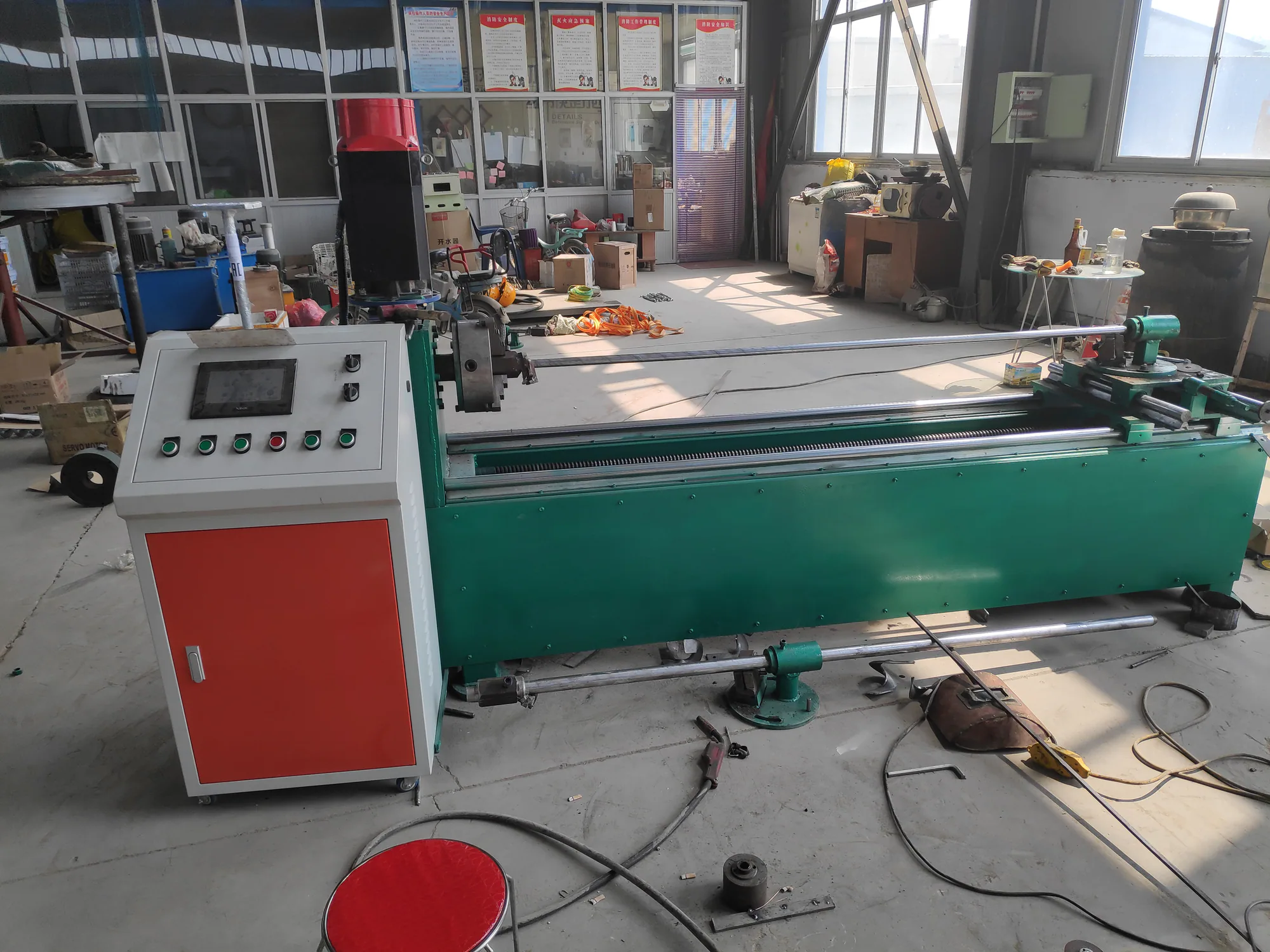
Continuous Screw Flight Winding Machine
Continuous mould-winding equipment for equal-thickness screw flights where compact installation and parameter adjustment are useful.
View detailsGX130-6M Cold Rolling Machine
A continuous screw flight rolling machine for medium strip widths and repeatable output.
View details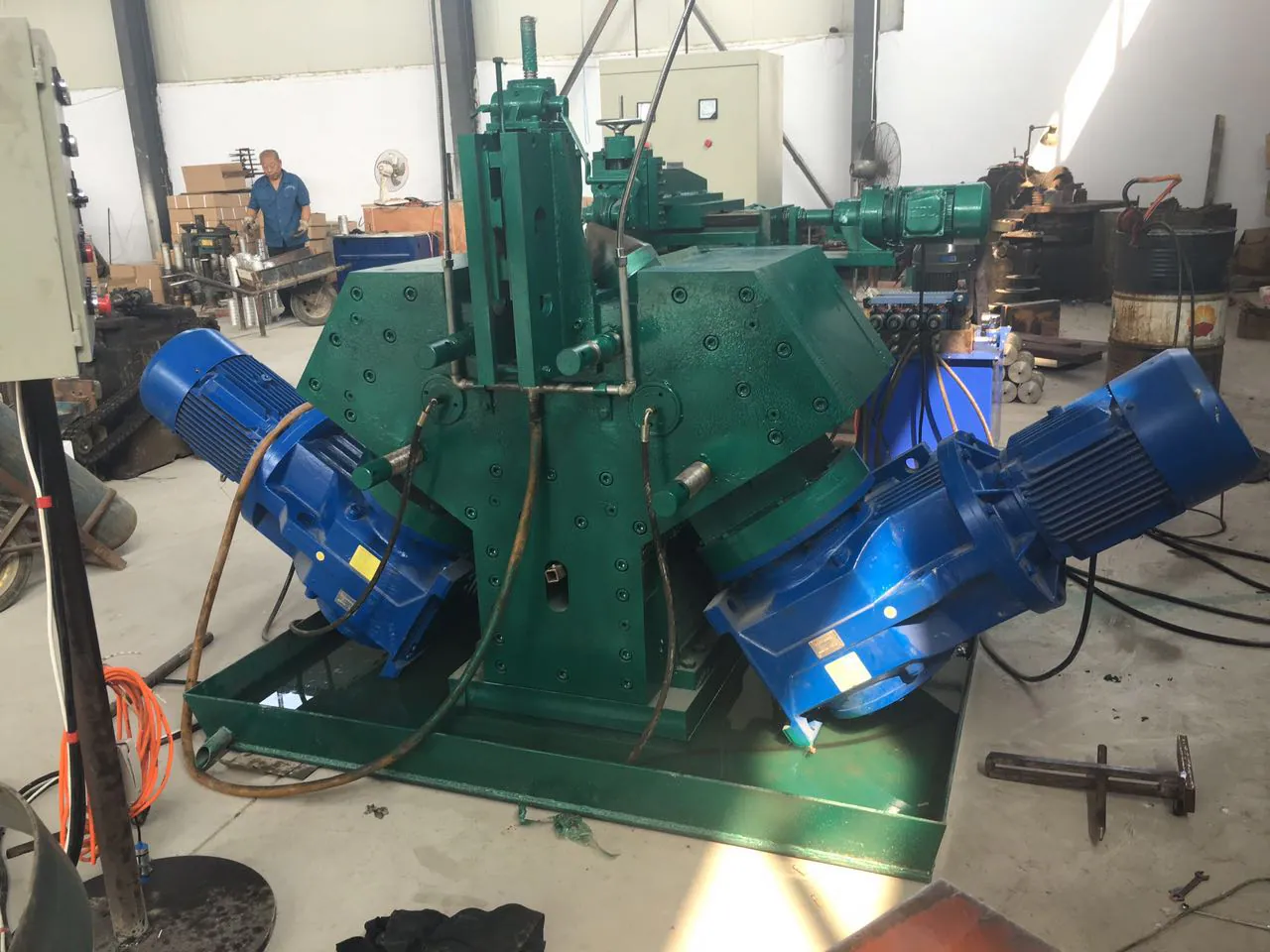
GX150-10L Cold Rolling Machine
A higher-capacity machine configuration for wider strip, larger flight diameters and increased throughput.
View details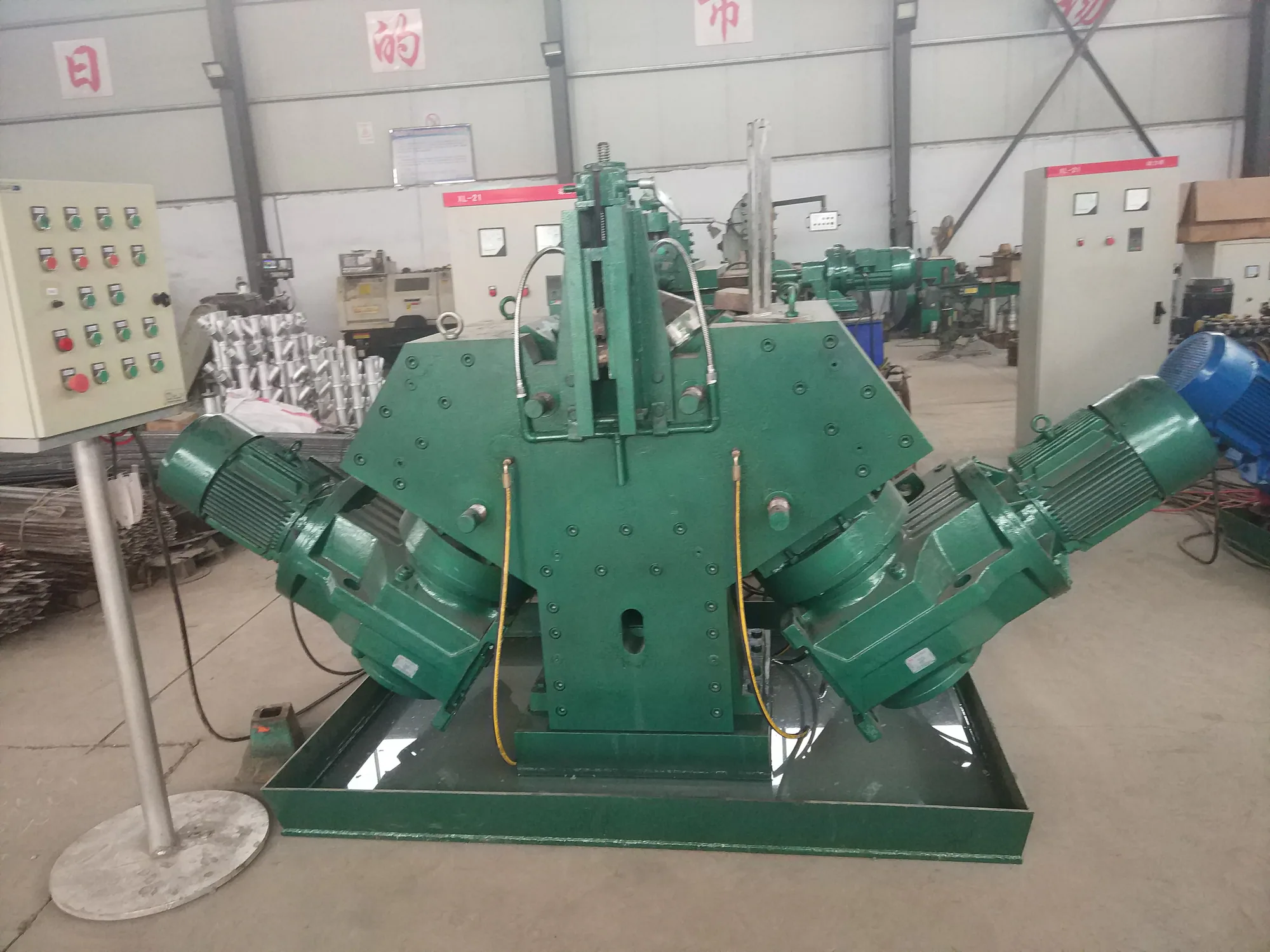
GX60-4S Cold Rolling Machine
A compact continuous cold-rolling option for narrower strip and smaller flight ranges.
View detailsEngineering review
Discuss your Continuous Screw Flight Cold Rolling Machine requirement
Share the diameter, pitch, thickness, material, quantity and application. Our team will review the manufacturing route before quoting.