
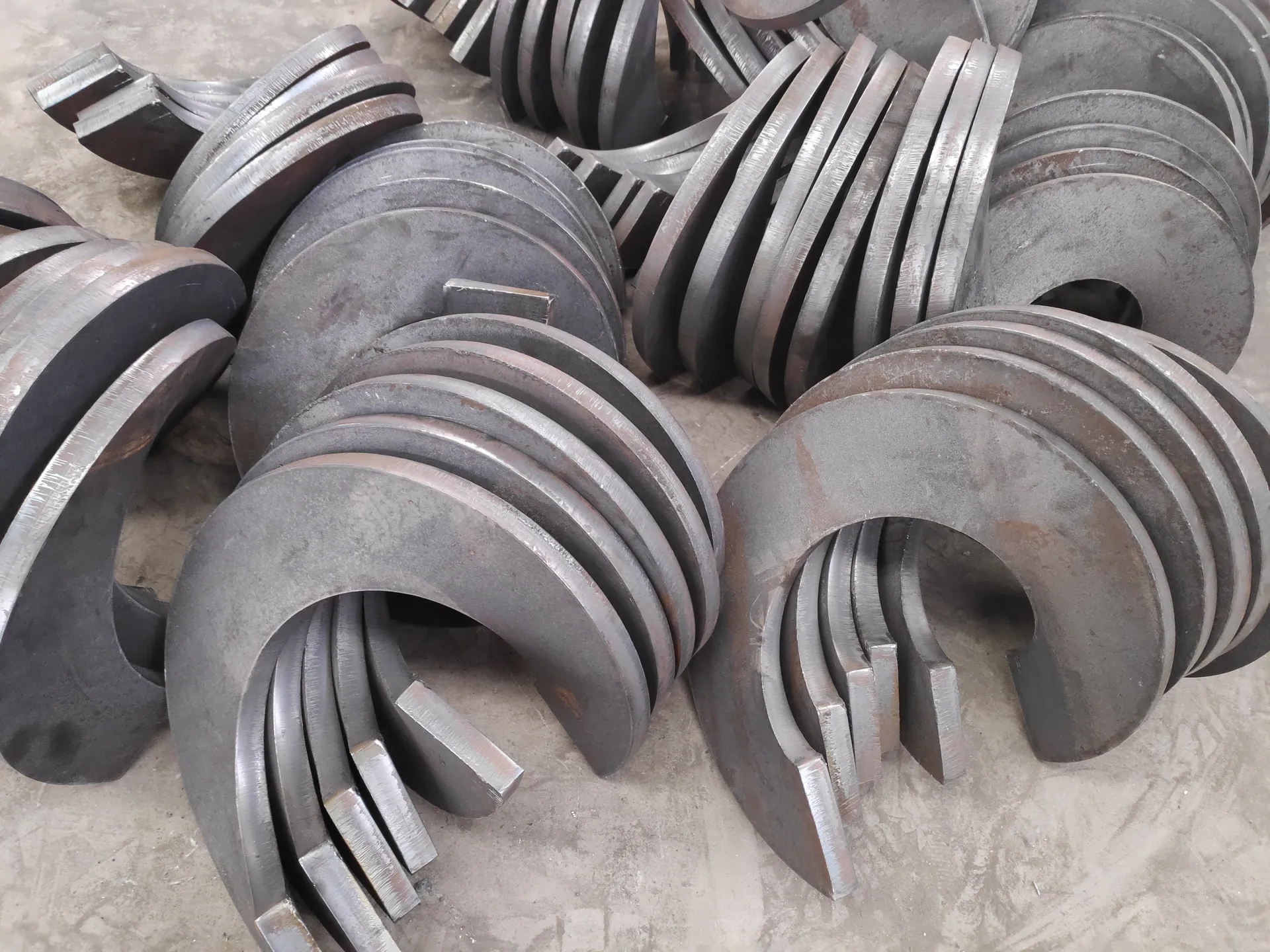
Select by forming route
Screw Flights
Compare continuous, sectional and application-specific screw flight routes using geometry, material and assembly requirements.
Available routes
Products in this category
12 products
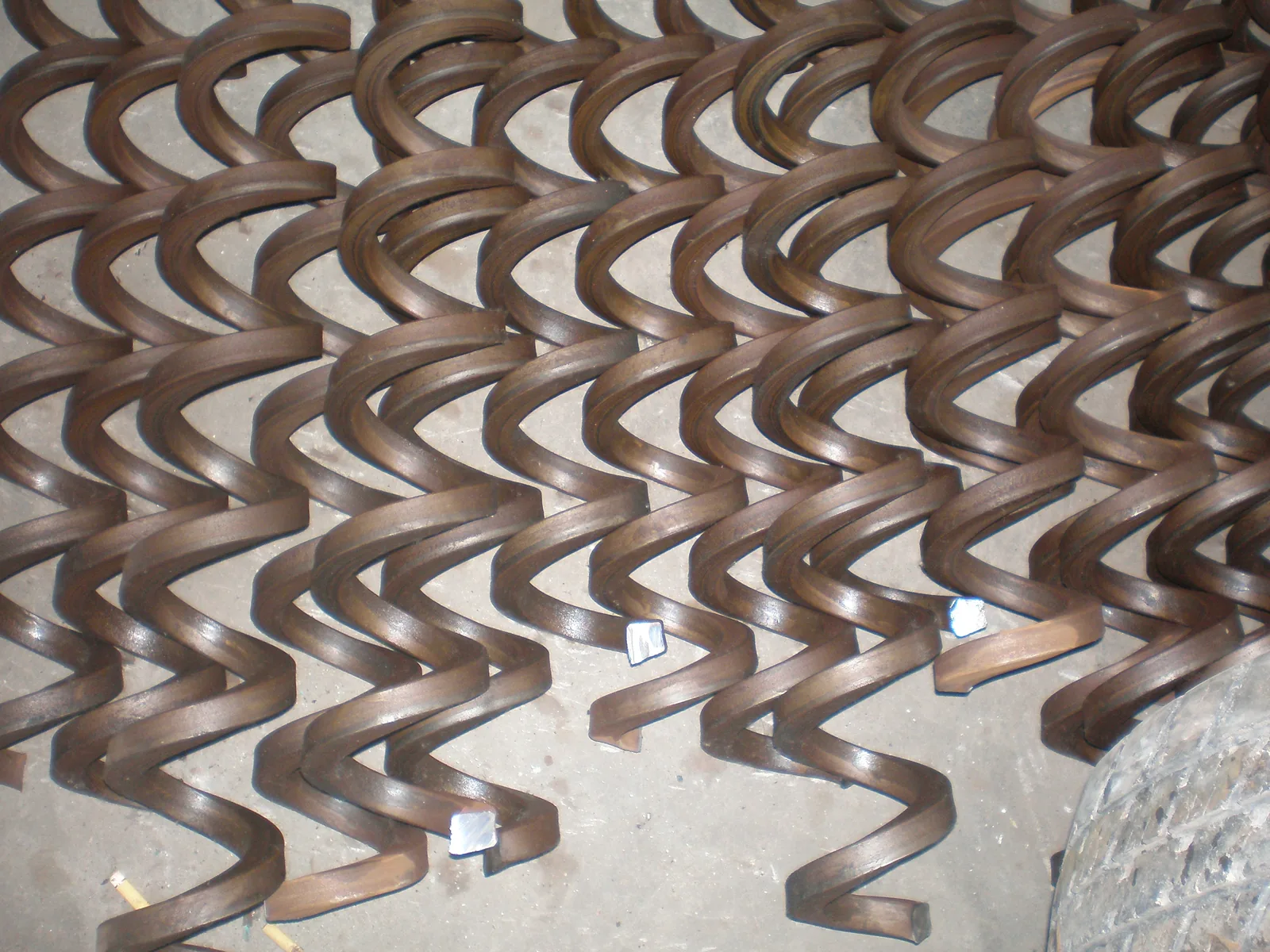
Square-Bar Flexible Auger
A flexible auger made from a square-section profile, with the bar section, coil geometry and installed tube route reviewed as one system.
View details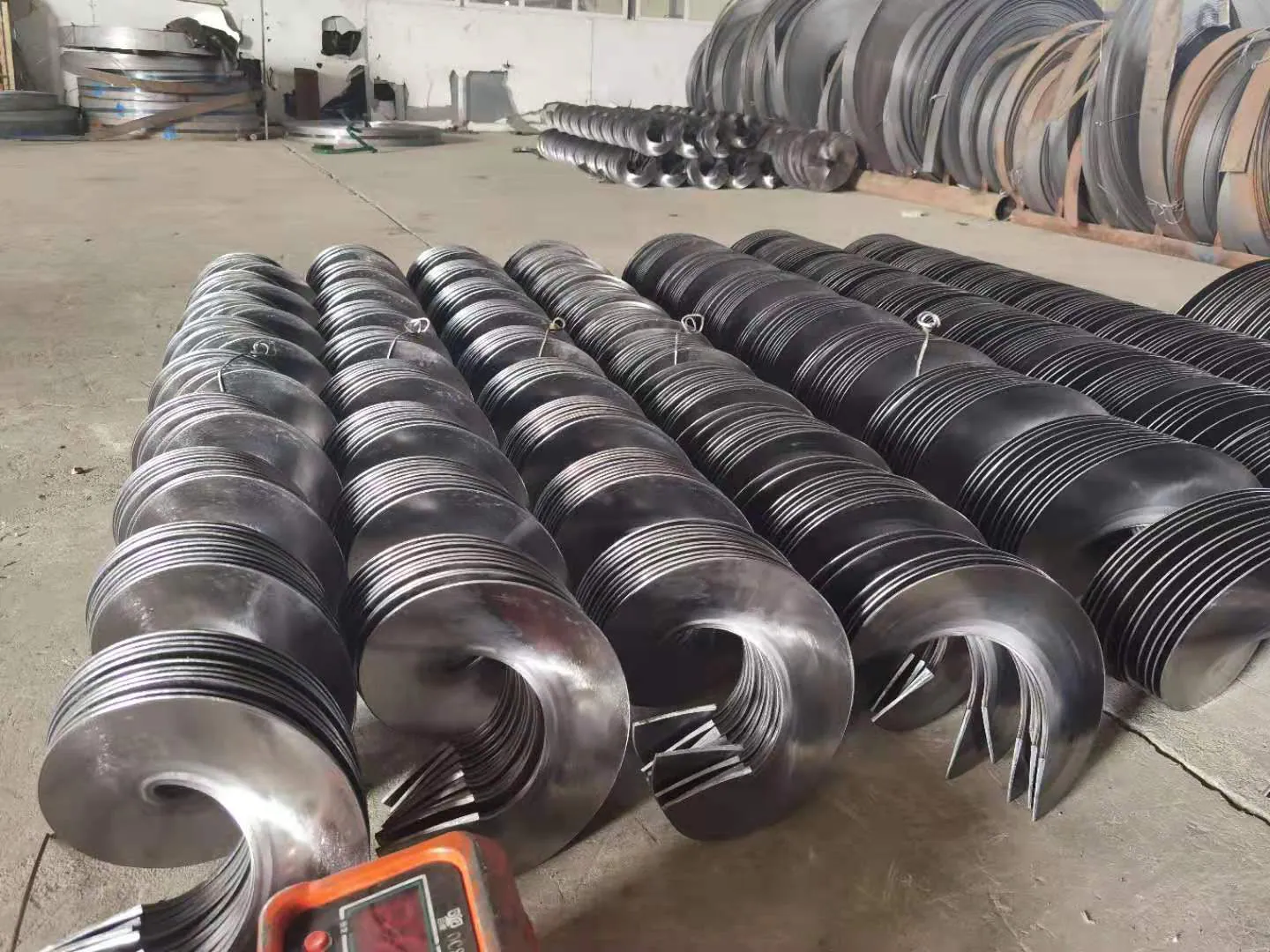
Cold-Rolled Continuous Screw Flight
Cold-formed strip flighting for applications that need continuous, seamless geometry and controlled pitch, diameter and thickness.
View details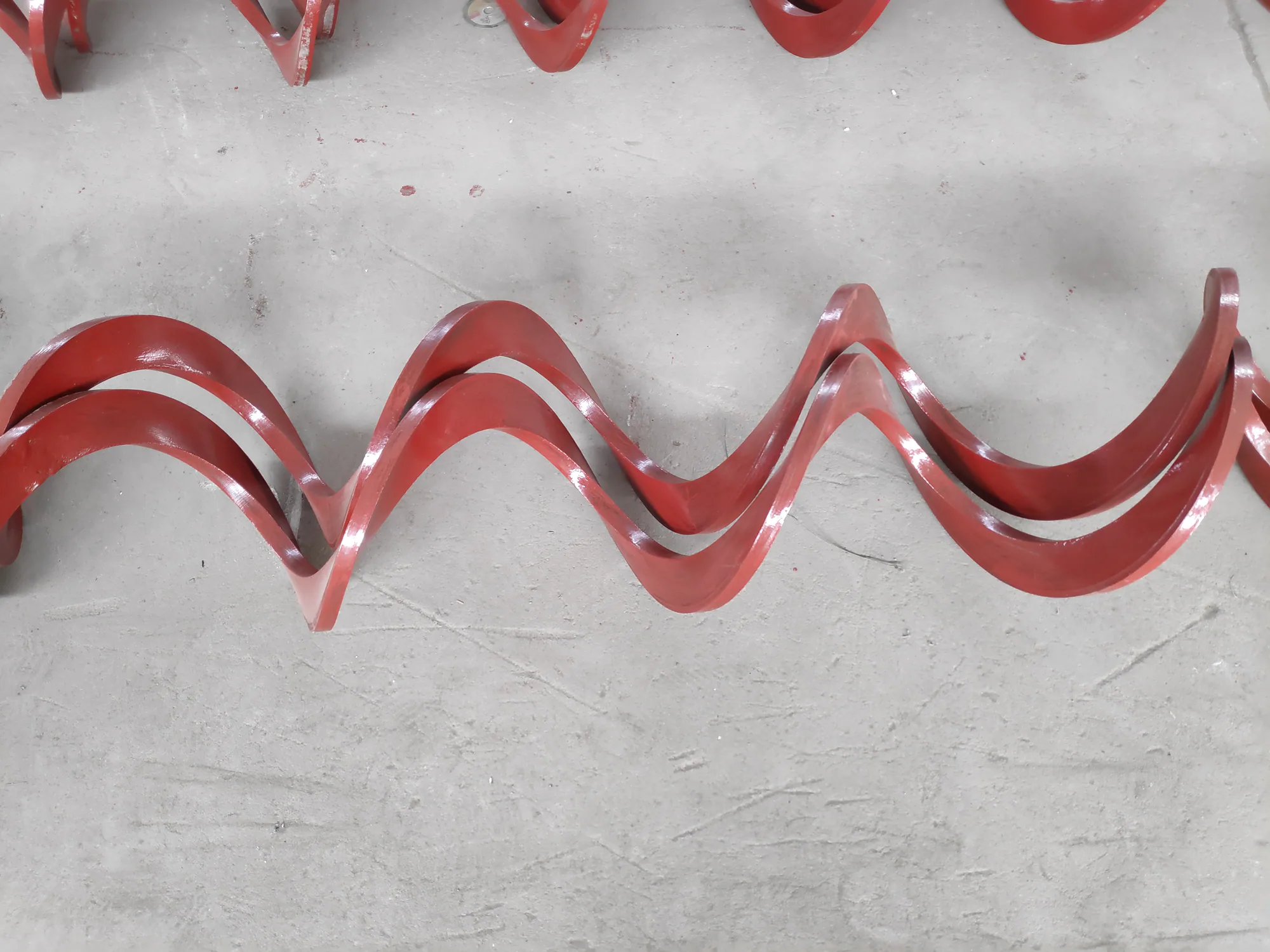
Continuous Constant-Thickness Auger Flight
A continuous mould-winding route for multi-pitch flights where material utilization and consistent wall thickness are priorities.
View details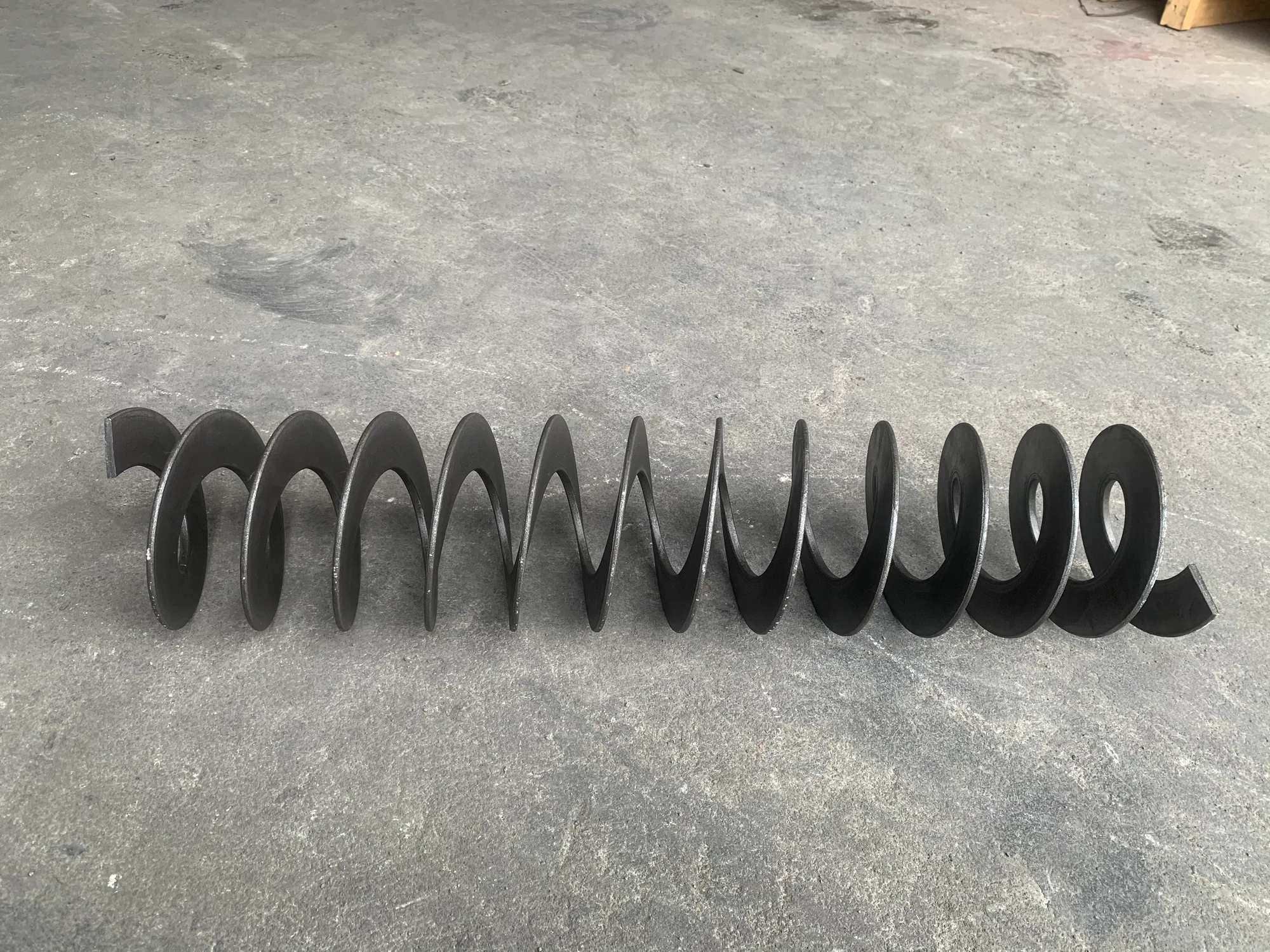
Rounded-Edge Spiral Flight
A helical flight whose rounded edge is part of the specified section, requiring profile dimensions as well as the normal helix geometry.
View details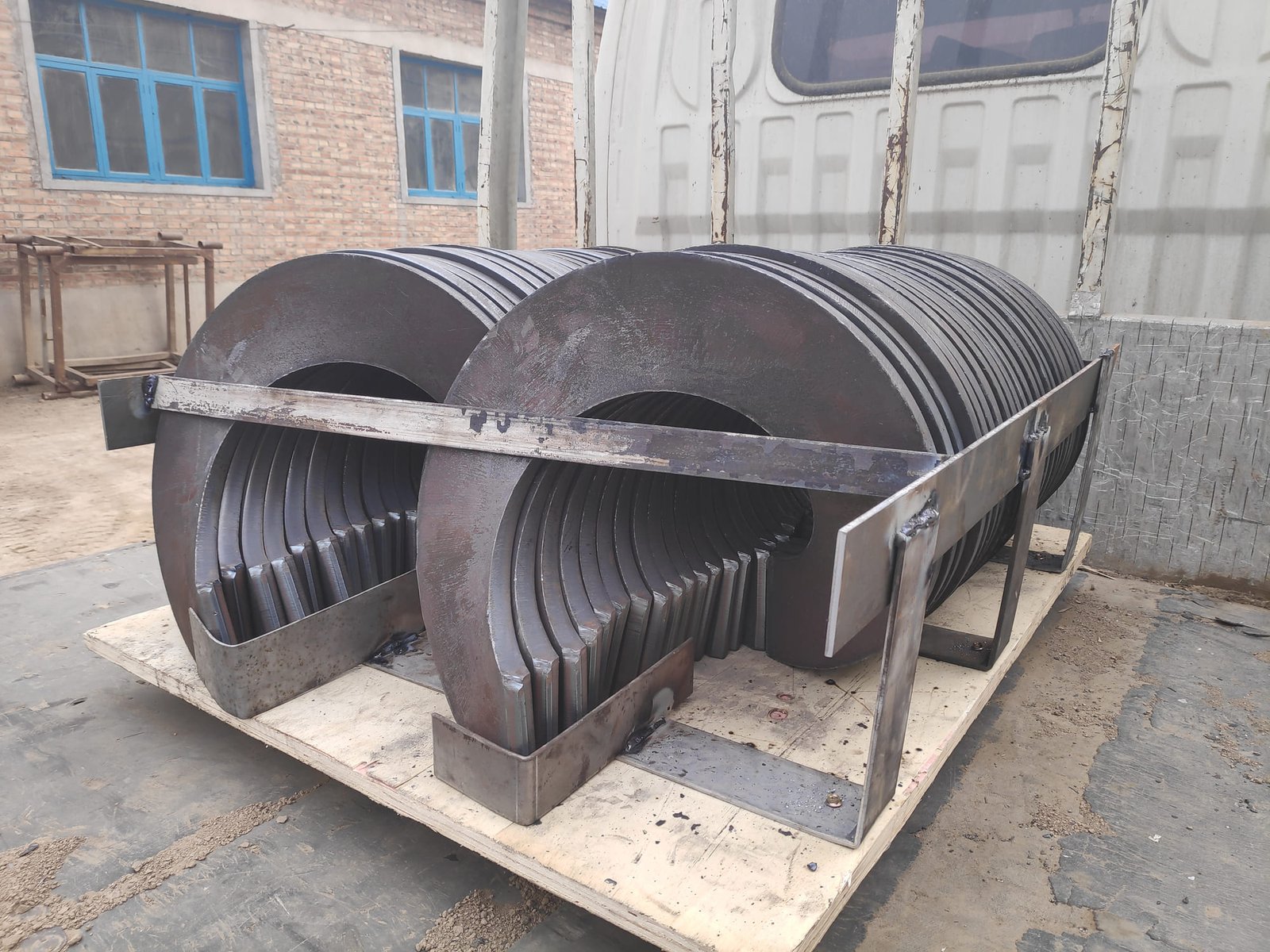
Sectional Spiral Blade
Single-pitch, equal-thickness helical segments for large diameter, thick plate, wear-resistant or stainless steel flight assemblies.
View details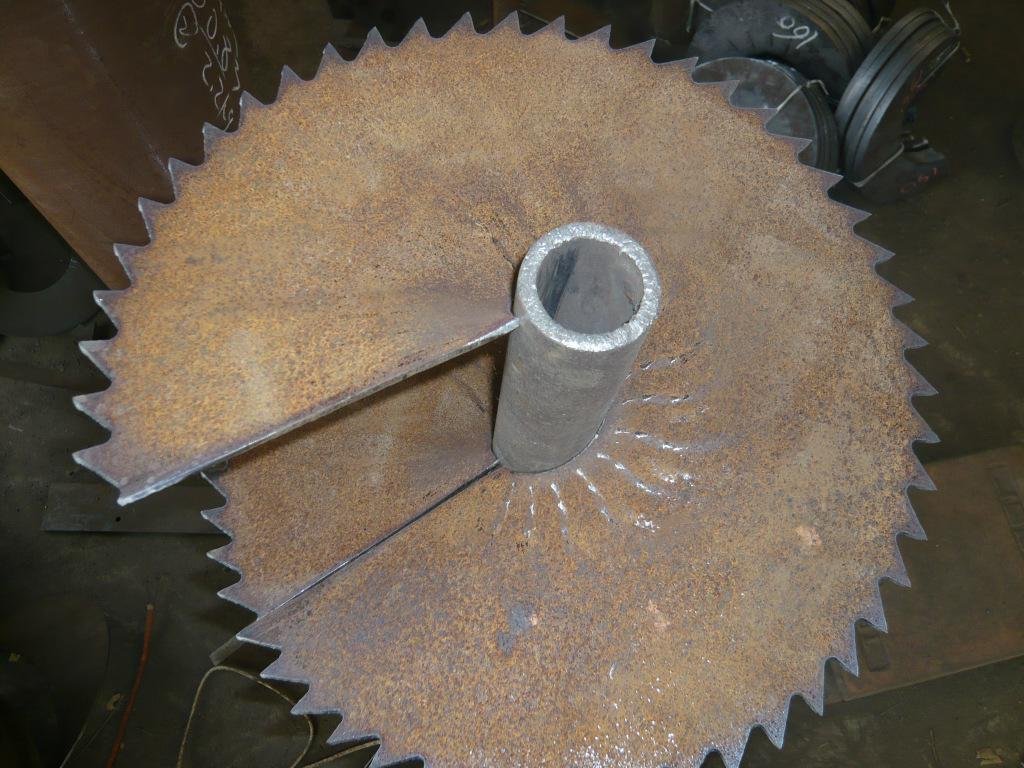
Serrated Sectional Flight
A single-pitch helical segment with a toothed outside edge, made only after the tooth form, helix and assembly duty are defined.
View details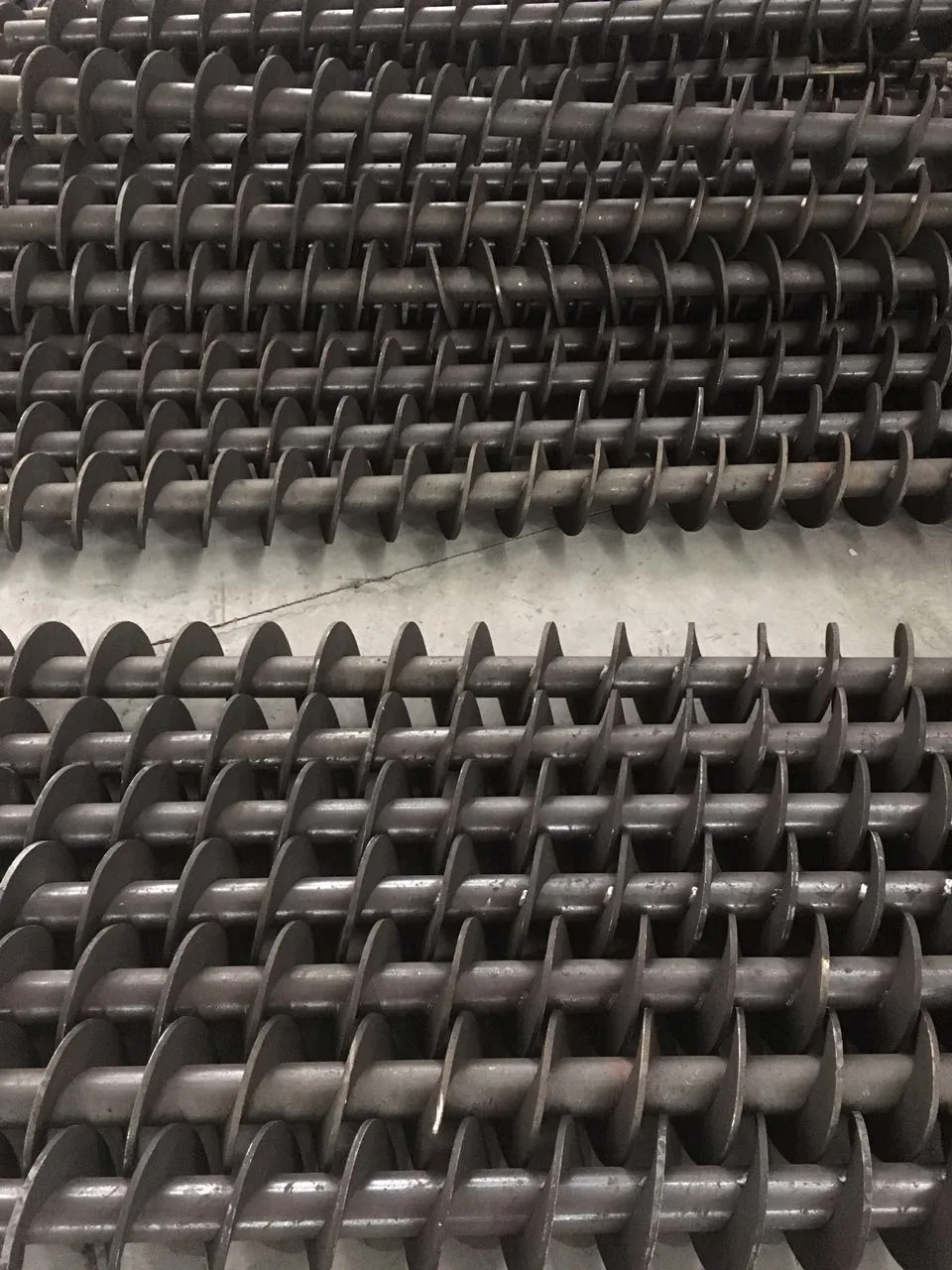
Shafted Auger Assembly
A complete screw component in which the selected flighting is positioned and joined to a centre tube or shaft with drawing-defined ends.
View details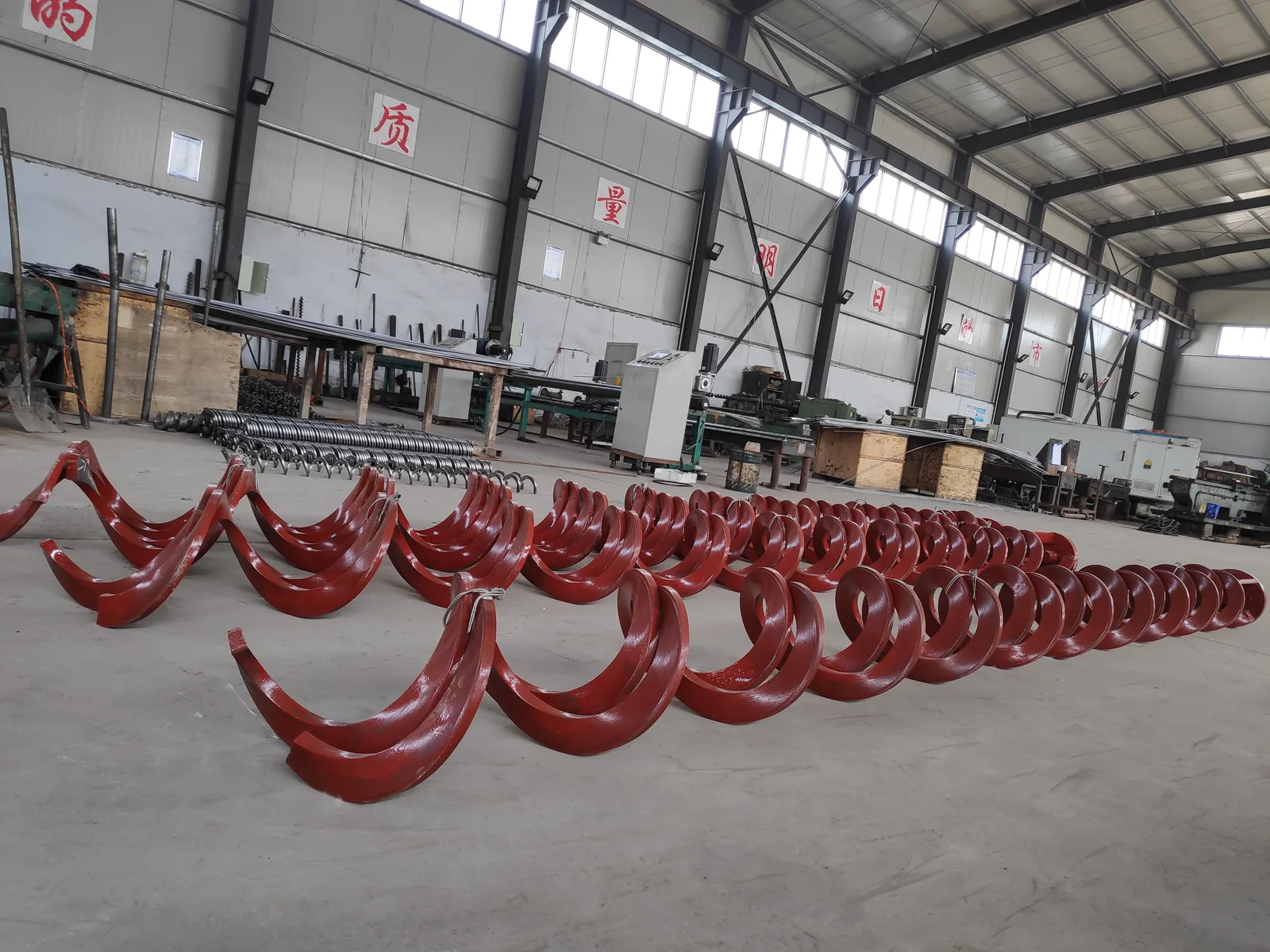
Shaftless Auger Flight Assembly
A self-supporting open-centre helix for projects where the finished screw is specified without a continuous centre pipe.
View details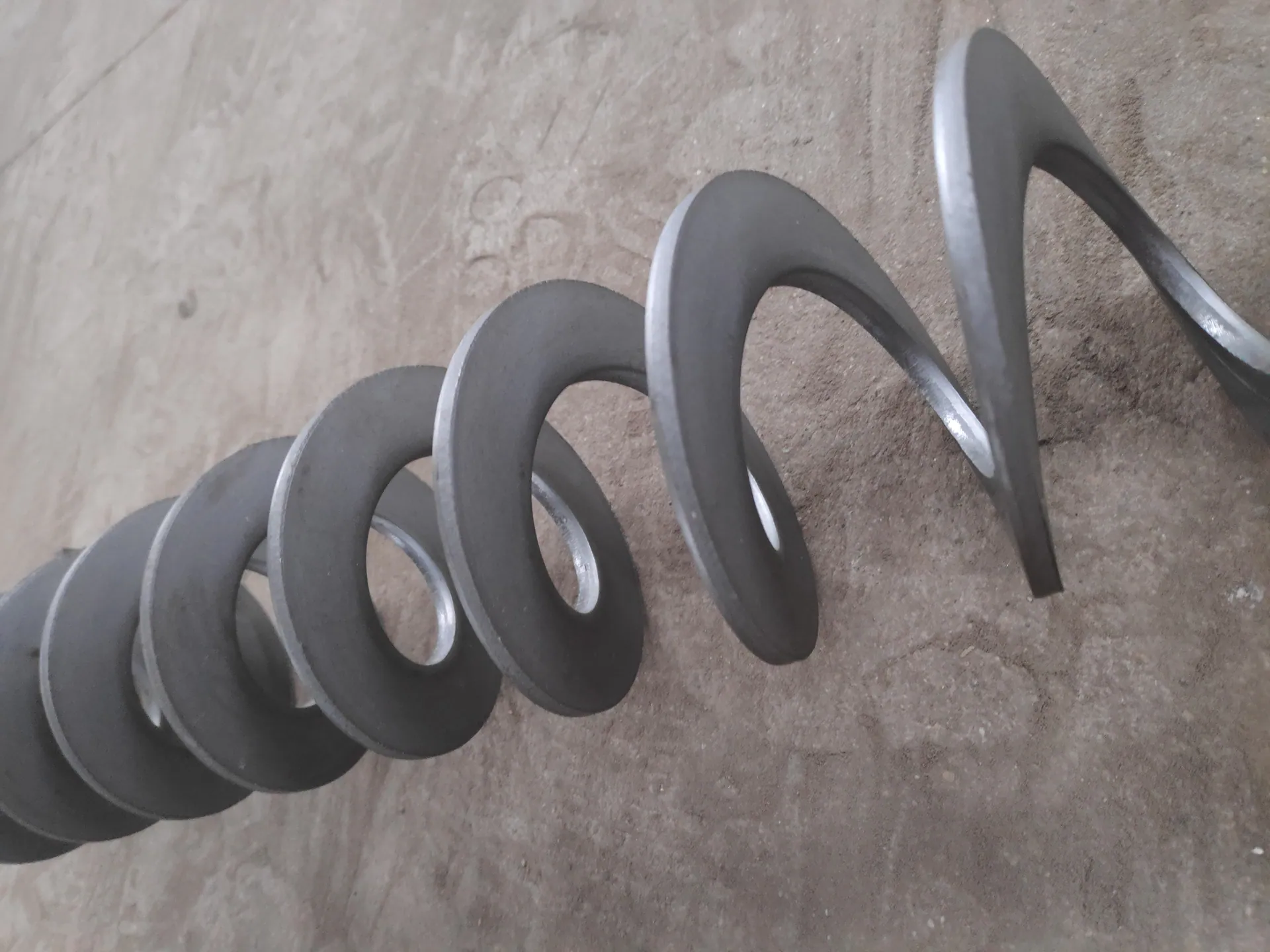
Twin-Screw Mixing Flight Set
A coordinated pair of helical flights specified as one working set where hand, pitch, phase and clearance must be checked together.
View details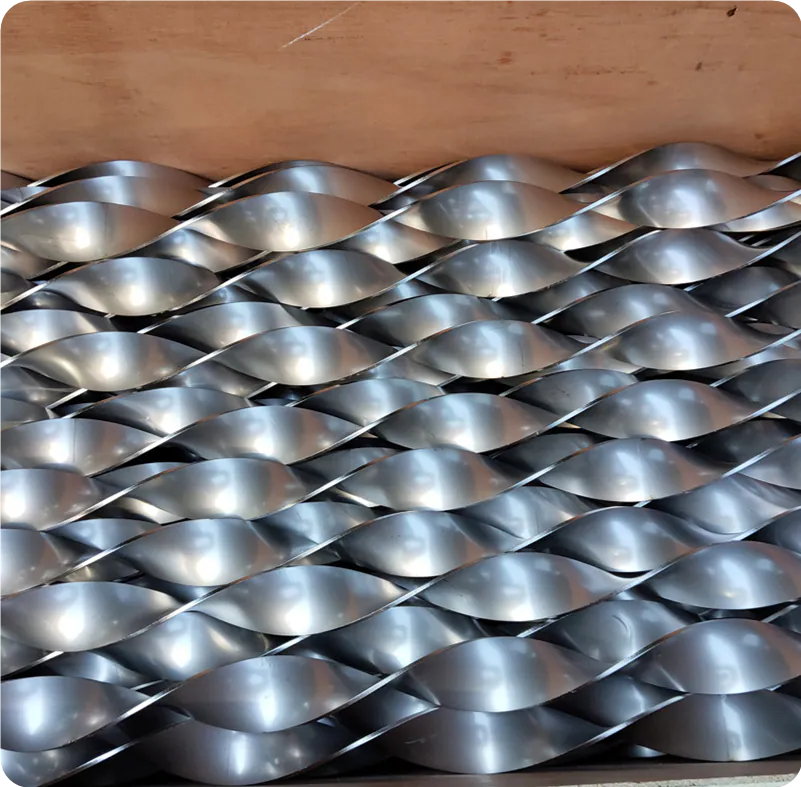
Twisted Tape Turbulator
A helical tape insert that promotes tube-side swirling and mixing to improve heat transfer in tubular equipment.
View details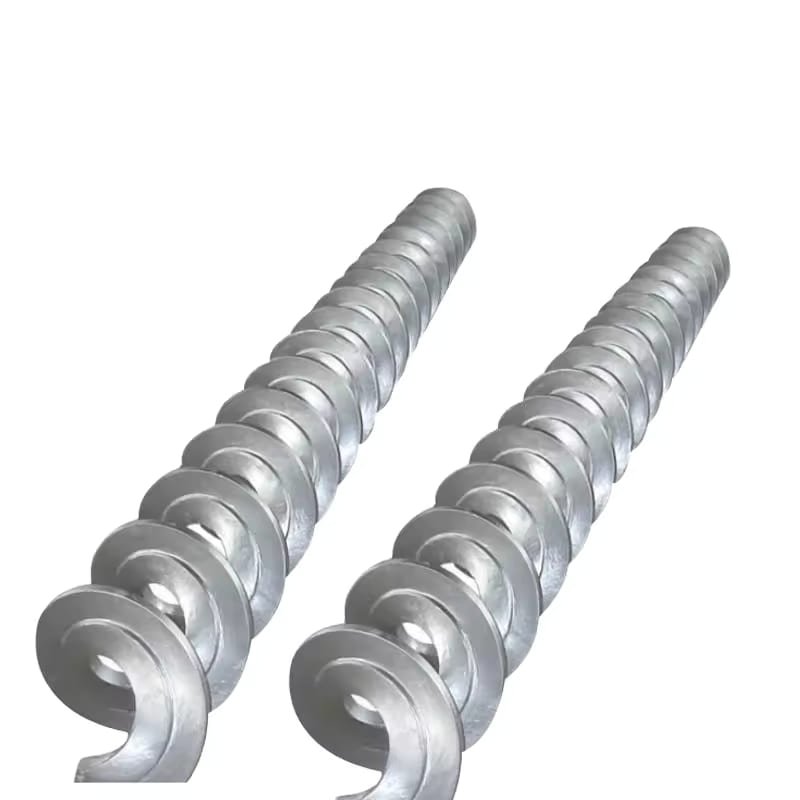
Variable-Pitch Screw Flight
Flighting in which the axial pitch changes along the screw according to an approved schedule rather than remaining constant from end to end.
View details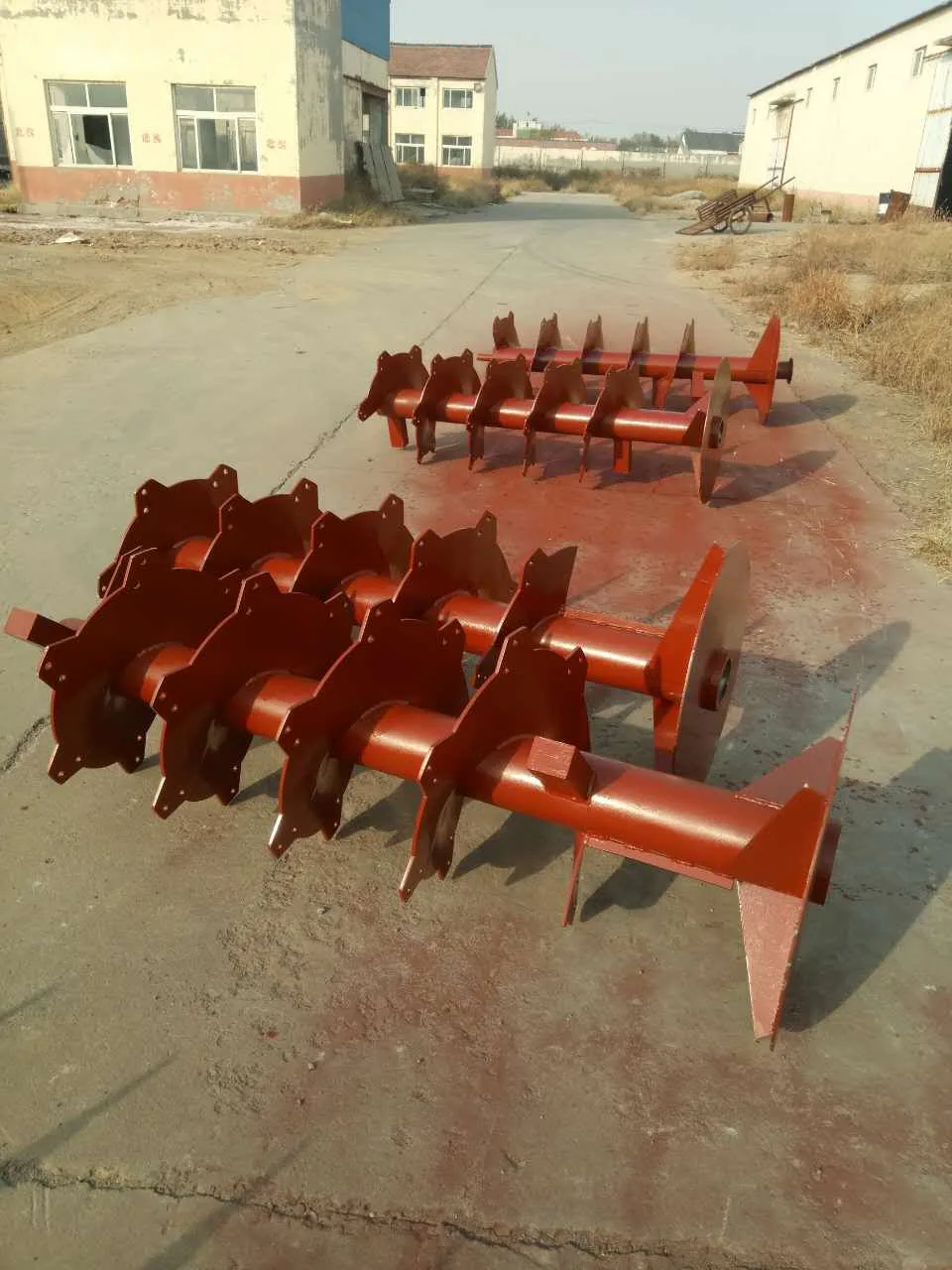
Vertical Auger Beater
Heavy-duty vertical auger and related drive components for breaking and distributing livestock manure and organic fertilizer.
View detailsSelection guidance
Plan the complete application before choosing a product
Use these points to organise the material, route, dimensions and operating information needed for a practical review.
Start with the finished flight, not a product name
The useful choice is rarely between two catalogue labels. Outside diameter, inside diameter, pitch, plate or strip thickness, material grade, hand, finished length and the way the flight connects to a shaft all affect the manufacturing route. A drawing is best, but a worn sample or a complete dimension set can also start the review.
Continuous flight for an uninterrupted helix
Cold-rolled flighting is formed progressively from strip and is suited to work that benefits from repeatable geometry along a continuous length. Mould-wound flighting provides another continuous route when near-equal thickness at the inner and outer edges is important. The correct option depends on the section, material and quantity rather than one method being universally better.
Sectional flight for larger or heavier geometry
Individual segments are considered when diameter, thickness, material or special features make a continuous route less practical. Segment geometry can be reviewed for later assembly and welding, including the preparation needed at the inside edge, outside edge and segment joint.
Profiled and serrated edge options
A rounded-edge section or a toothed outside edge is not treated as a cosmetic variation. The section profile, edge orientation and finished helix must be shown together. Use the rounded-edge or serrated product page only when that feature is part of the approved drawing.
Variable pitch and interacting screw sets
A variable-pitch flight needs a complete pitch schedule rather than one nominal pitch. Twin-screw mixing sets add another level of coordination because both hands, shaft centre distance, phase and running clearance must be checked together. These are separate product routes only when the drawing contains those structural requirements.
Complete shafted and shaftless assemblies
Loose flighting is different from a finished screw assembly. A shafted auger needs the centre member, welds and drive or support interfaces. A shaftless assembly needs its open-centre section, joints, overall length and end connections. These pages create a clearer route for buyers who need a complete replacement component rather than flighting alone.
Application-specific parts need their own checks
Vertical beater assemblies and twisted tape inserts appear in this category because they use helical geometry, but they are not interchangeable with conveyor flighting. Replacement parts require information about the original equipment, drive connection and operating duty. Heat-transfer inserts require tube fit, material and temperature information.
Information to send
- Outside and inside diameter
- Pitch, thickness, hand and required length
- Material grade or operating environment
- Quantity and whether supply is loose flighting or a complete assembly
- Drawing, sample photographs and application details
These inputs allow the manufacturing route to be checked before a fixed-size assumption is carried into quotation.
Engineering review
Need help choosing a screw flights route?
Share the drawing, material, dimensions or production target you already have. We will use them to narrow the relevant option before quotation.