
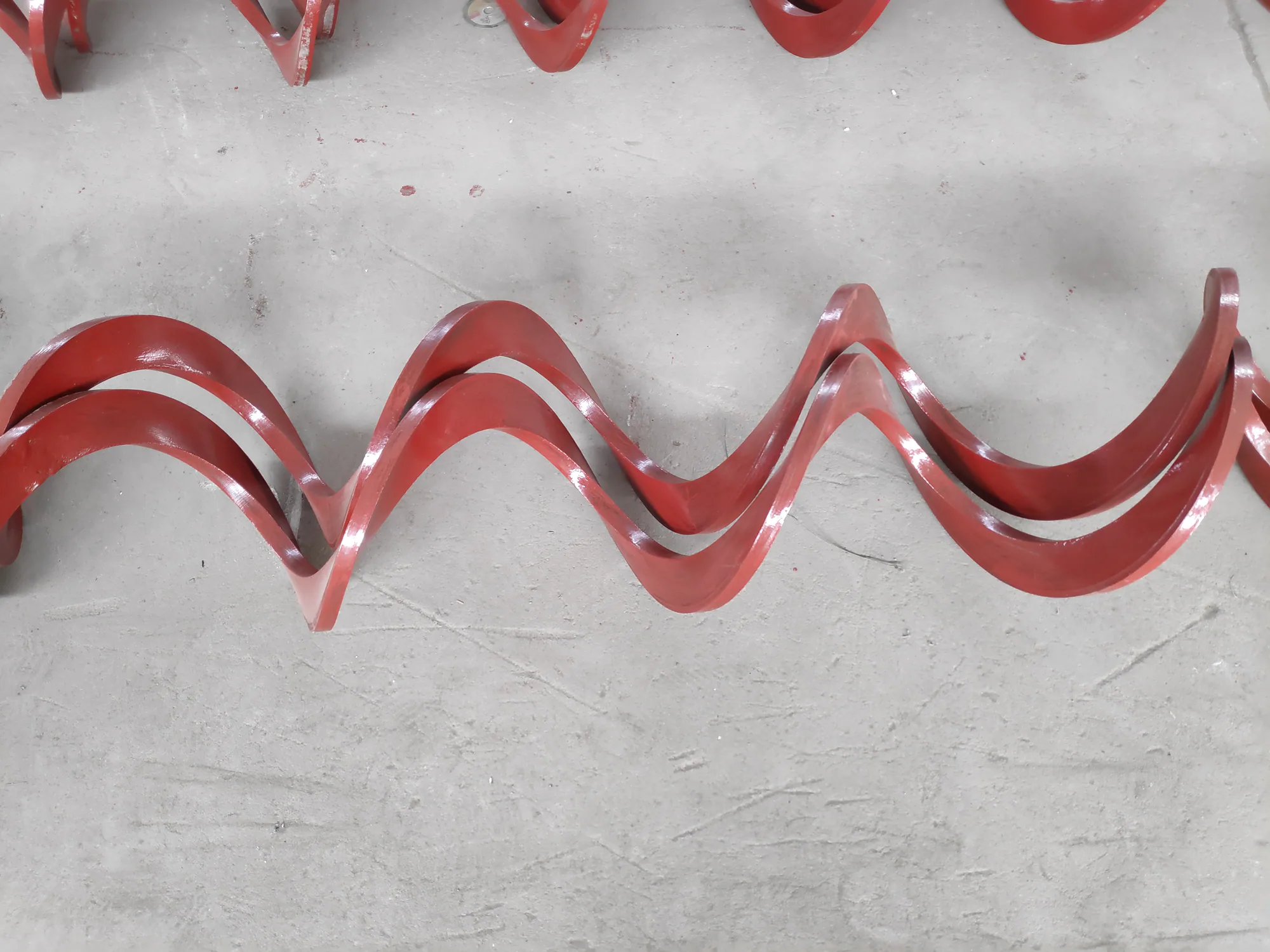
Screw flight
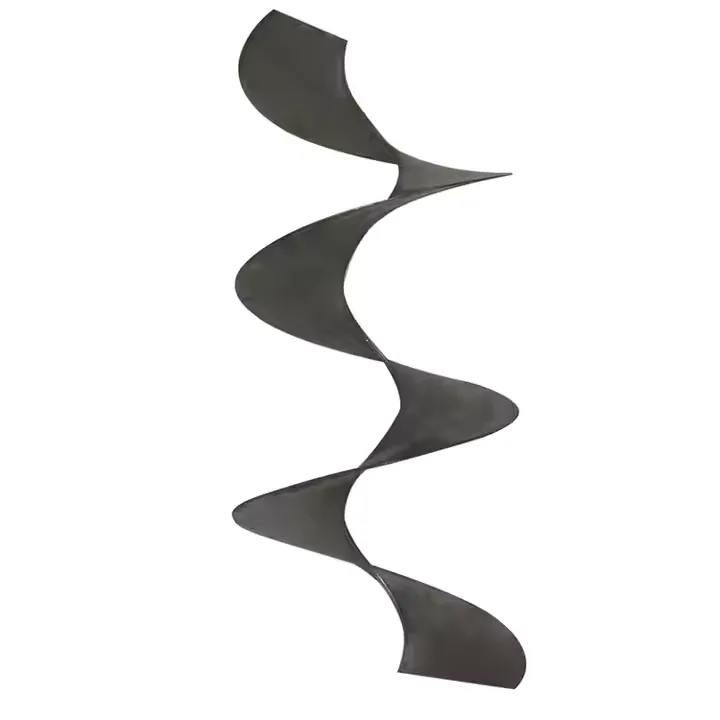
Continuous Constant-Thickness Auger Flight
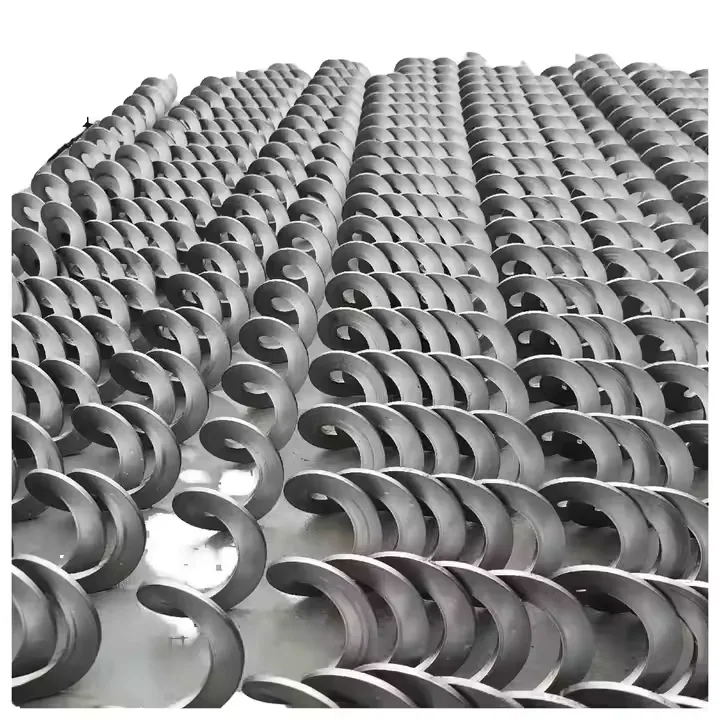
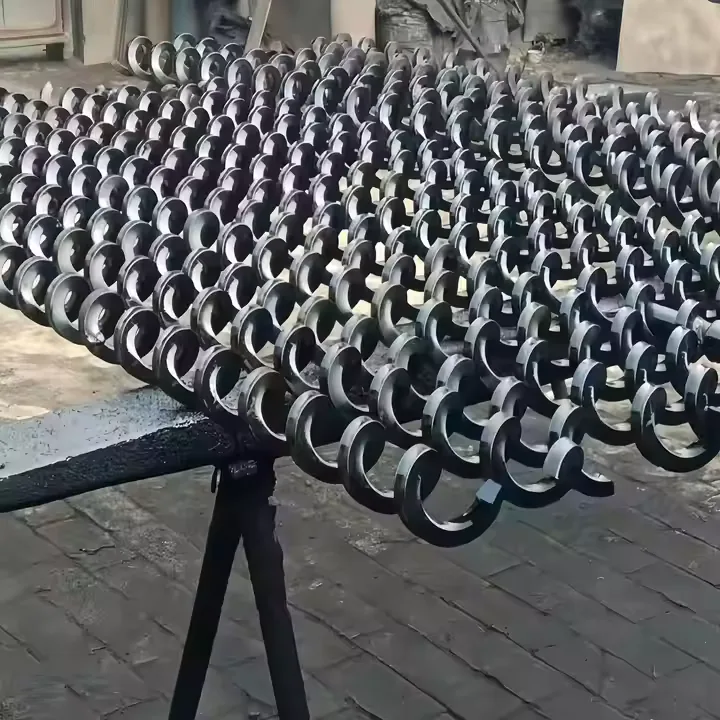
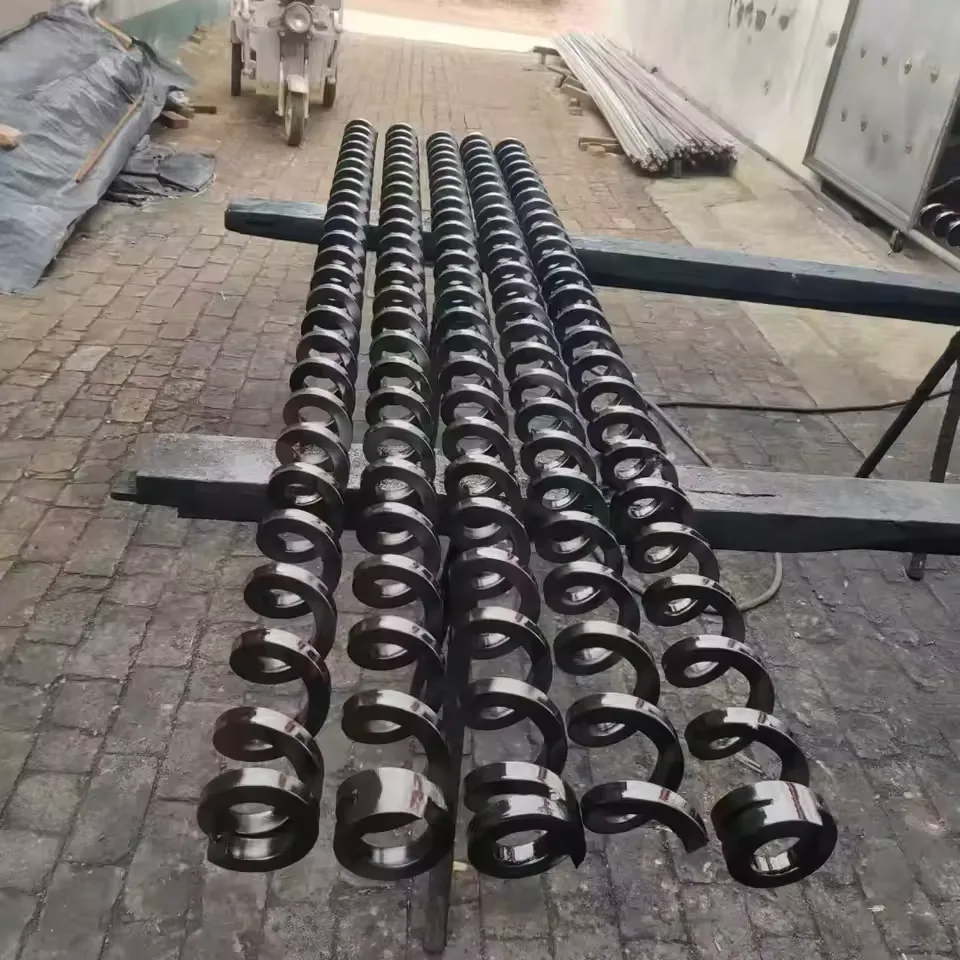
Continuous mould-wound auger flight with near-equal inner and outer edge thickness.
Engineering fit
Built around the dimensions, material and production target that matter
A continuous mould-winding route for multi-pitch flights where material utilization and consistent wall thickness are priorities.
Use the stated range as a practical starting point. We confirm the final configuration against your drawing, material and operating conditions.
Discuss this product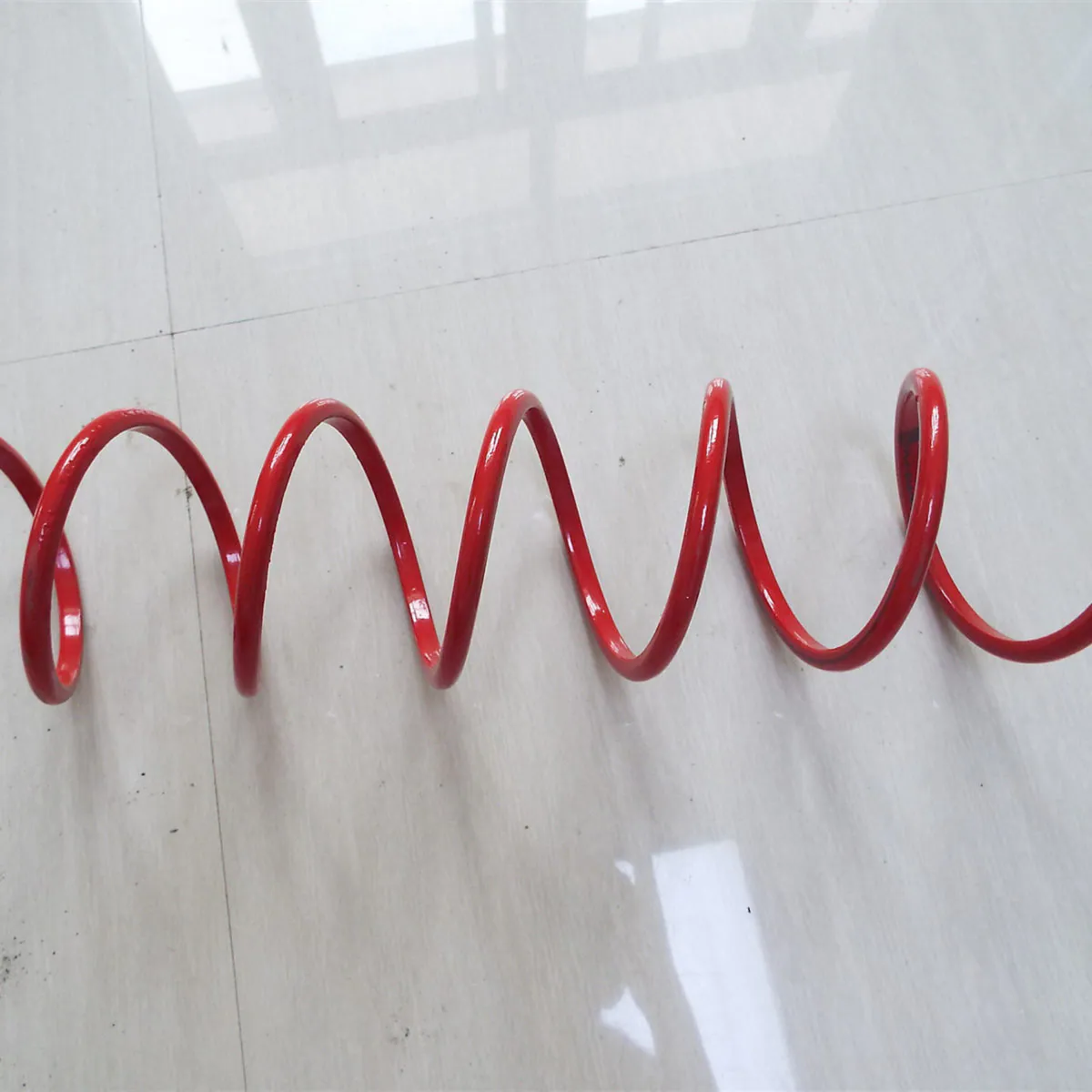
- Agricultural and grain handling
- Fertilizer conveying
- Mixing equipment
- Mining and bulk material handling
Size reference
Available Dimension Range
Typical sizes are shown below. Custom dimensions can be produced based on your drawing or requirements.
| Parameter | Specification | ||
|---|---|---|---|
| Pitch Range MM | 20-120 | 100-300 | |
| Max OD MM | 120 | 300 | |
| Thickness MM | 2-5 | 5-10 | 10-20 |
| Max Width MM | 30 | 60 | 70 |
Workshop reference
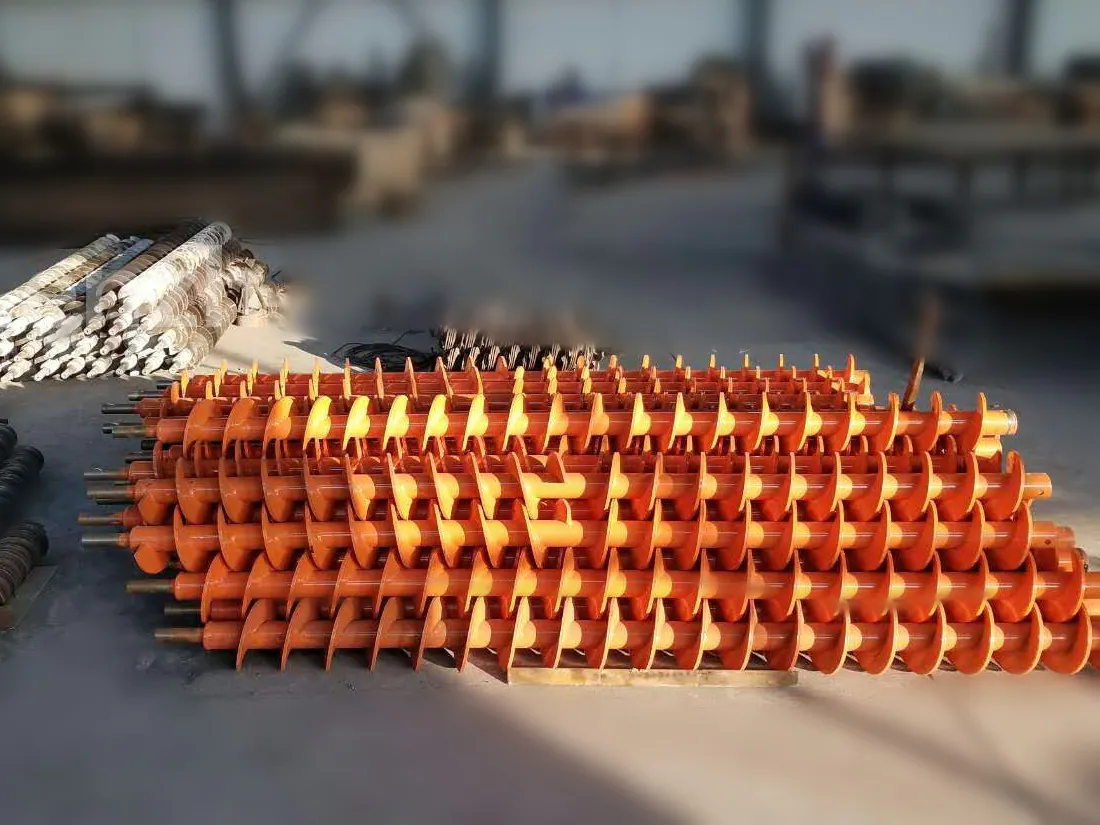
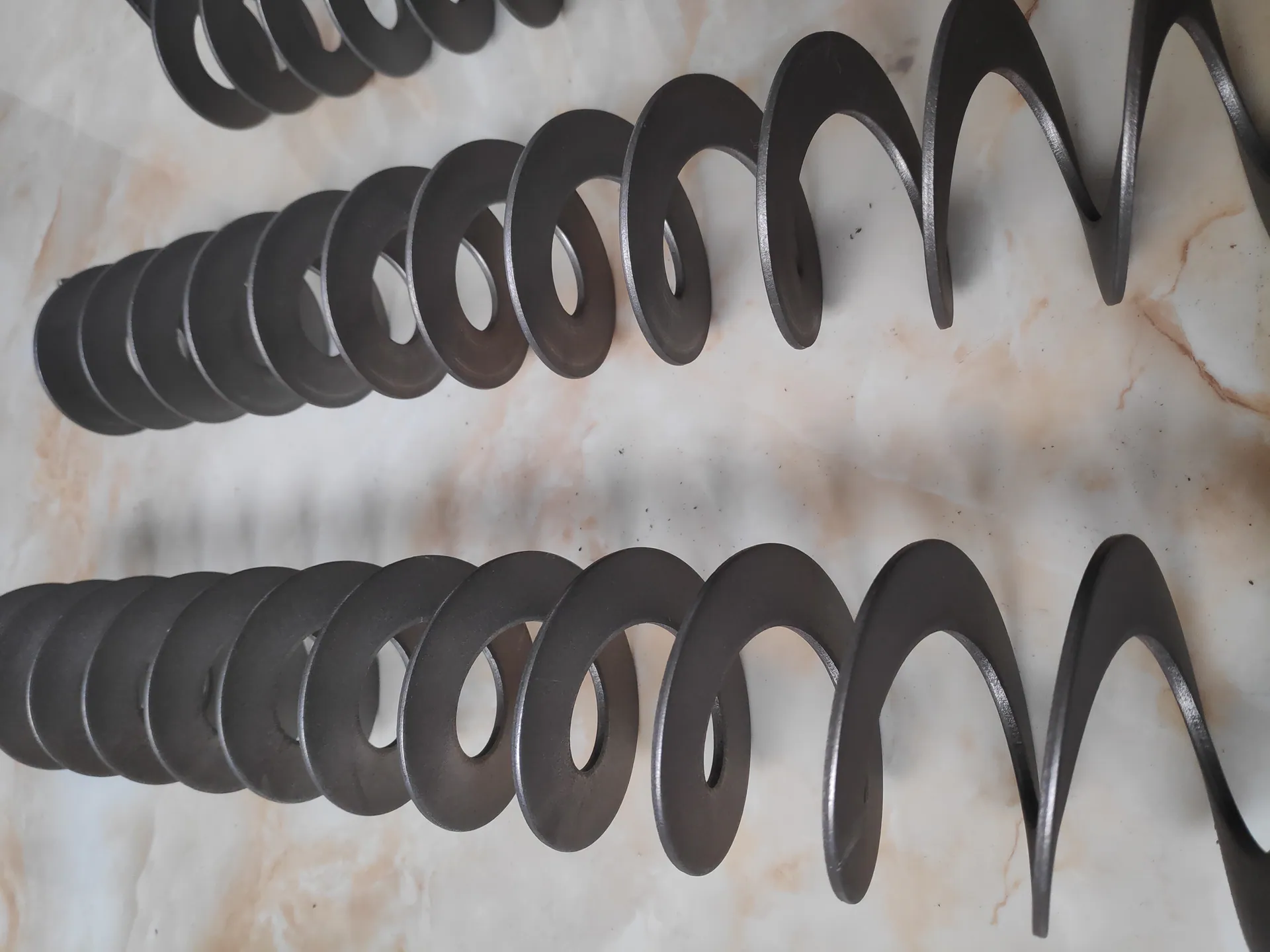
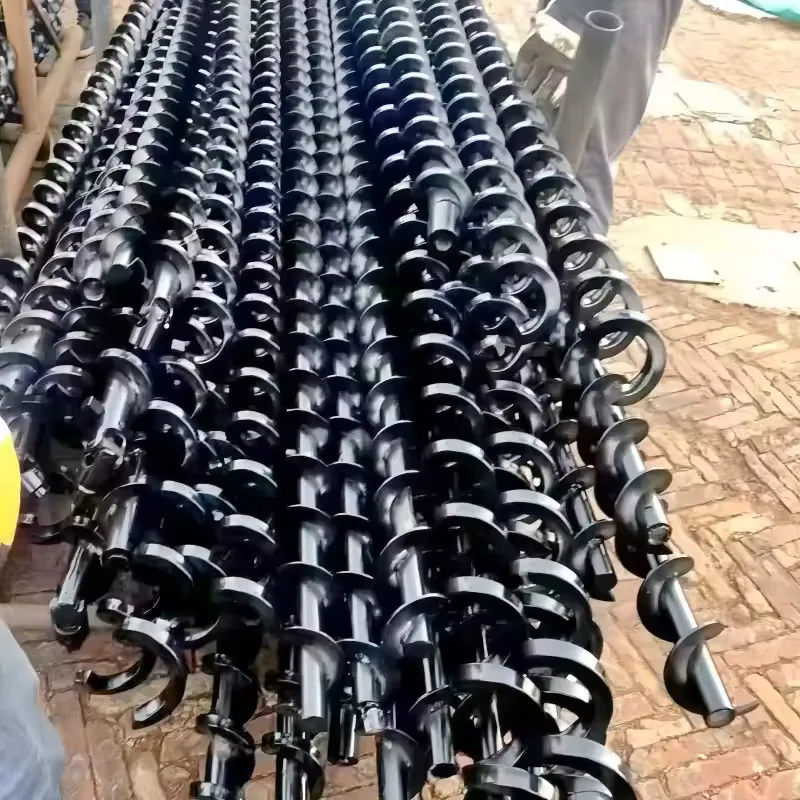
Product and process views
Production approach
Selected strip is straightened and fed to a winding spindle. A forming die guides the strip into a continuous spiral structure, then the product is cut to the agreed length and trimmed as needed.
Why use a mould-wound flight
The supplied product material identifies this route as a practical option where continuous cold rolling is not the best fit for the specification or batch size. It supports good dimensional consistency while keeping the outer and inner edge thickness close to equal.
When to choose constant-thickness flighting
Consider mould-wound flighting when the design calls for a continuous helix with a more uniform section through the inner and outer edges. It can suit agricultural, grain, fertilizer, mixer and selected mining duties where the drawing, material and conveyed product favour this forming route. Cold-rolled and sectional alternatives should still be compared when geometry, wear duty or joining requirements change.
Material selection
Carbon steel is a practical starting point for general conveying, while stainless steel may be reviewed for corrosion, hygiene or cleaning requirements. Manganese steel can be considered for appropriate wear duties, but grade, hardness, weldability and forming response must be confirmed before it is offered. Material selection should follow the operating environment and drawing rather than a generic stock claim.
Recommended applications
The continuous shape works well where material is conveyed, mixed or stirred through a multi-pitch screw. It is commonly evaluated for viscous or compressible material duties, as well as custom assemblies that need a consistent section along the working length.
Selecting the section
Specify the thickness group first, then provide outside diameter, inside diameter, pitch, material, hand, finished length and any shaft or welding details. The strip-width figures above are process-reference values; the proposed geometry is confirmed against the actual drawing.
Quote checklist
- OD, ID, pitch, thickness, hand and finished length
- Material grade and any certificate or surface requirement
- Conveyor, mixer or auger application and conveyed material
- Operating temperature, corrosion and wear conditions
- Required quantity, section lengths and joining arrangement
- Shaft, tube, weld preparation and dimensional tolerance details
- Drawing, sample or mating-part dimensions
Before quotation
Frequently asked questions
Use these answers as a starting point. Final geometry, material and equipment scope are confirmed from the project information.
Is constant-thickness flighting the same as cold-rolled flighting?
No. Mould winding and cold rolling form the strip differently. The right route depends on section geometry, material, length, batch size and the required inner-to-outer thickness profile.
What dimensions are needed for a quotation?
Send OD, ID, pitch, thickness, hand, finished length and material grade. Add the application, conveyed product, shaft or tube details, quantity and any tolerance or joining requirements.
Can carbon, stainless and manganese steel all be reviewed?
These material families can be considered, but availability and formability are confirmed from the exact grade, thickness, duty and flight drawing.
When is a mould-wound flight a practical choice?
It is considered when the design needs a continuous helix with a more uniform section through the inner and outer edges and the drawing suits the mould-winding route.
Can variable pitch be reviewed?
A project-specific pitch pattern can be reviewed, but the pitch schedule, transitions, hand and total length must be shown clearly on the drawing before the forming route is confirmed.
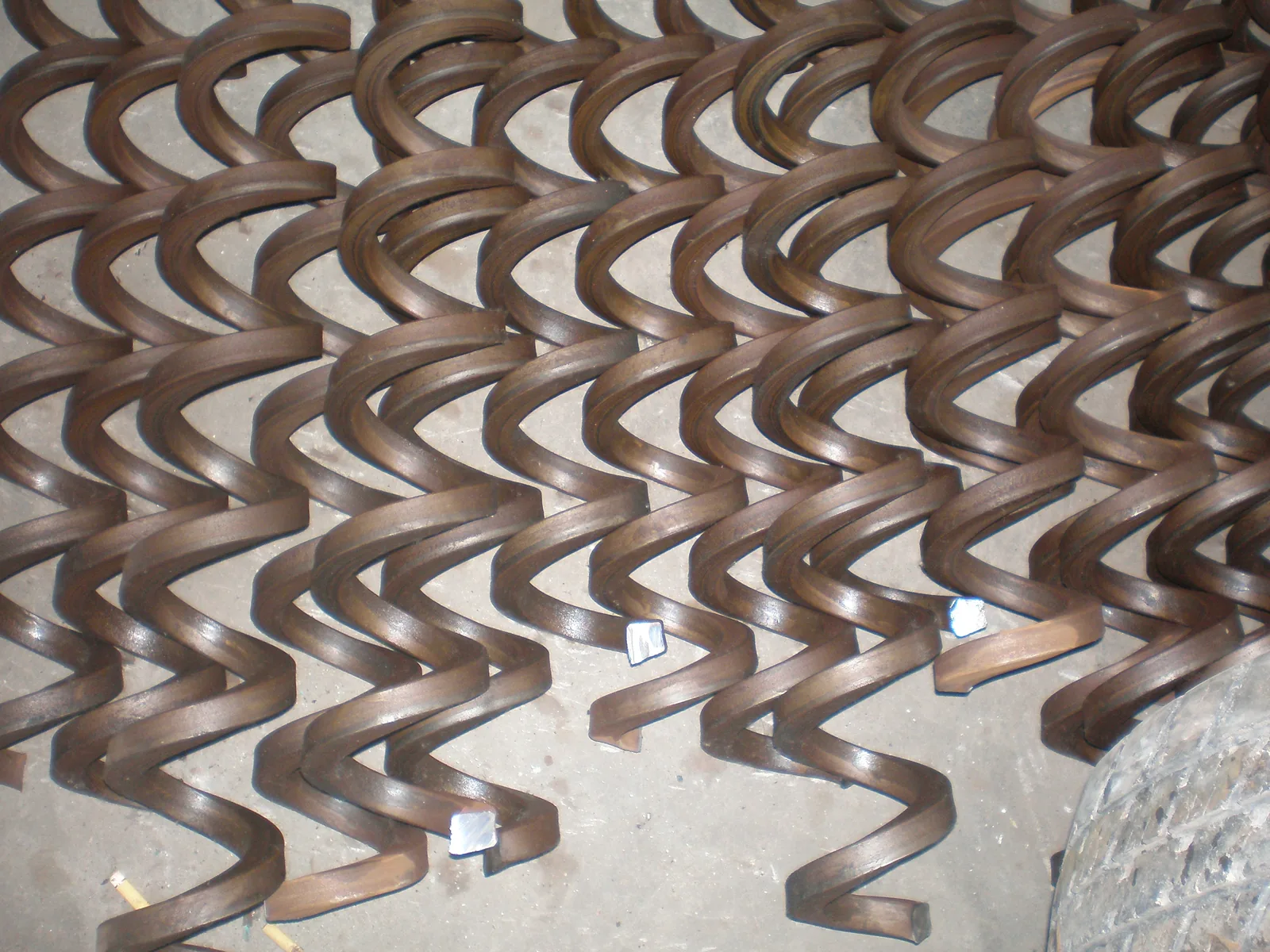
Square-Bar Flexible Auger
A flexible auger made from a square-section profile, with the bar section, coil geometry and installed tube route reviewed as one system.
View details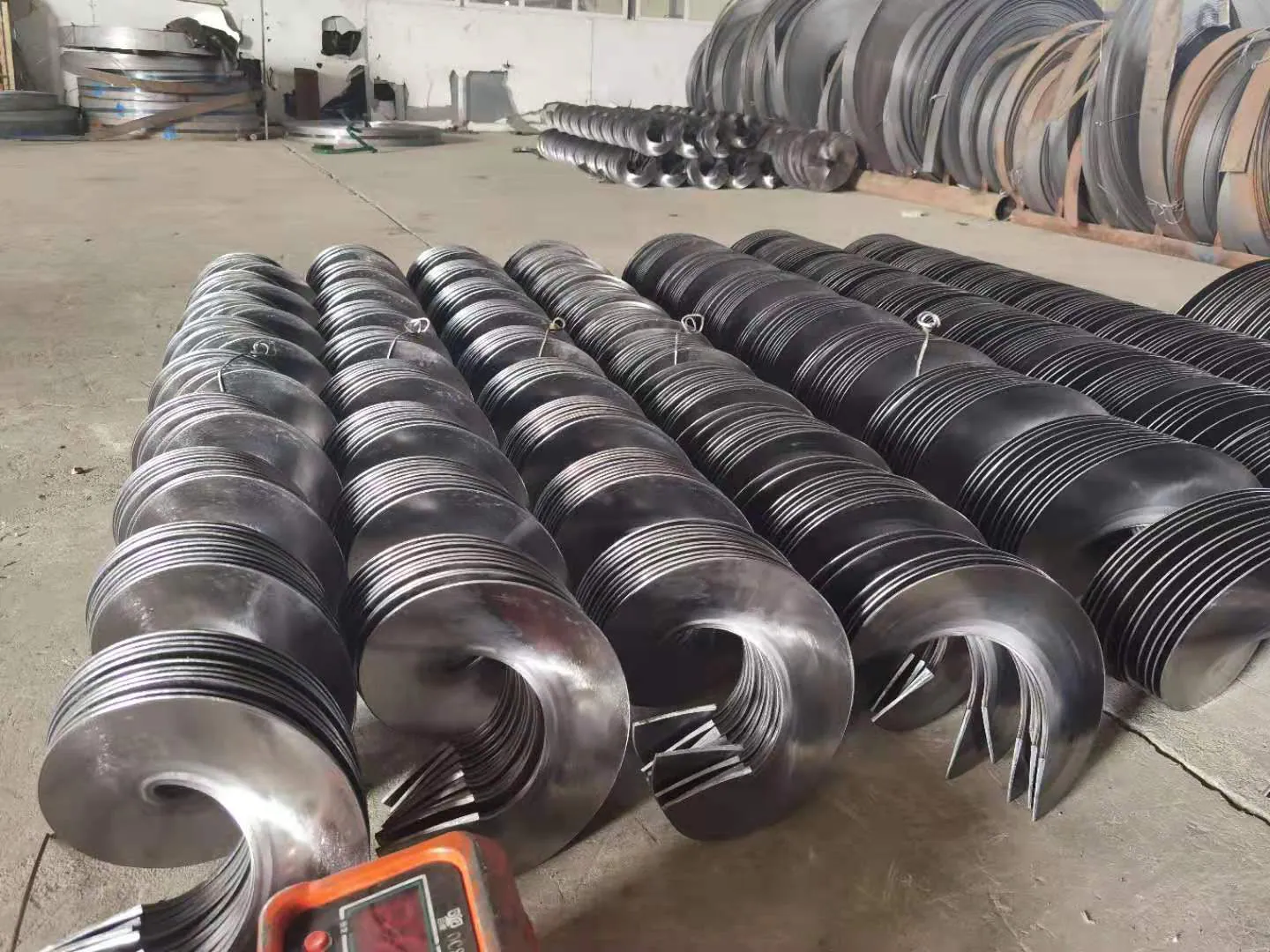
Cold-Rolled Continuous Screw Flight
Cold-formed strip flighting for applications that need continuous, seamless geometry and controlled pitch, diameter and thickness.
View details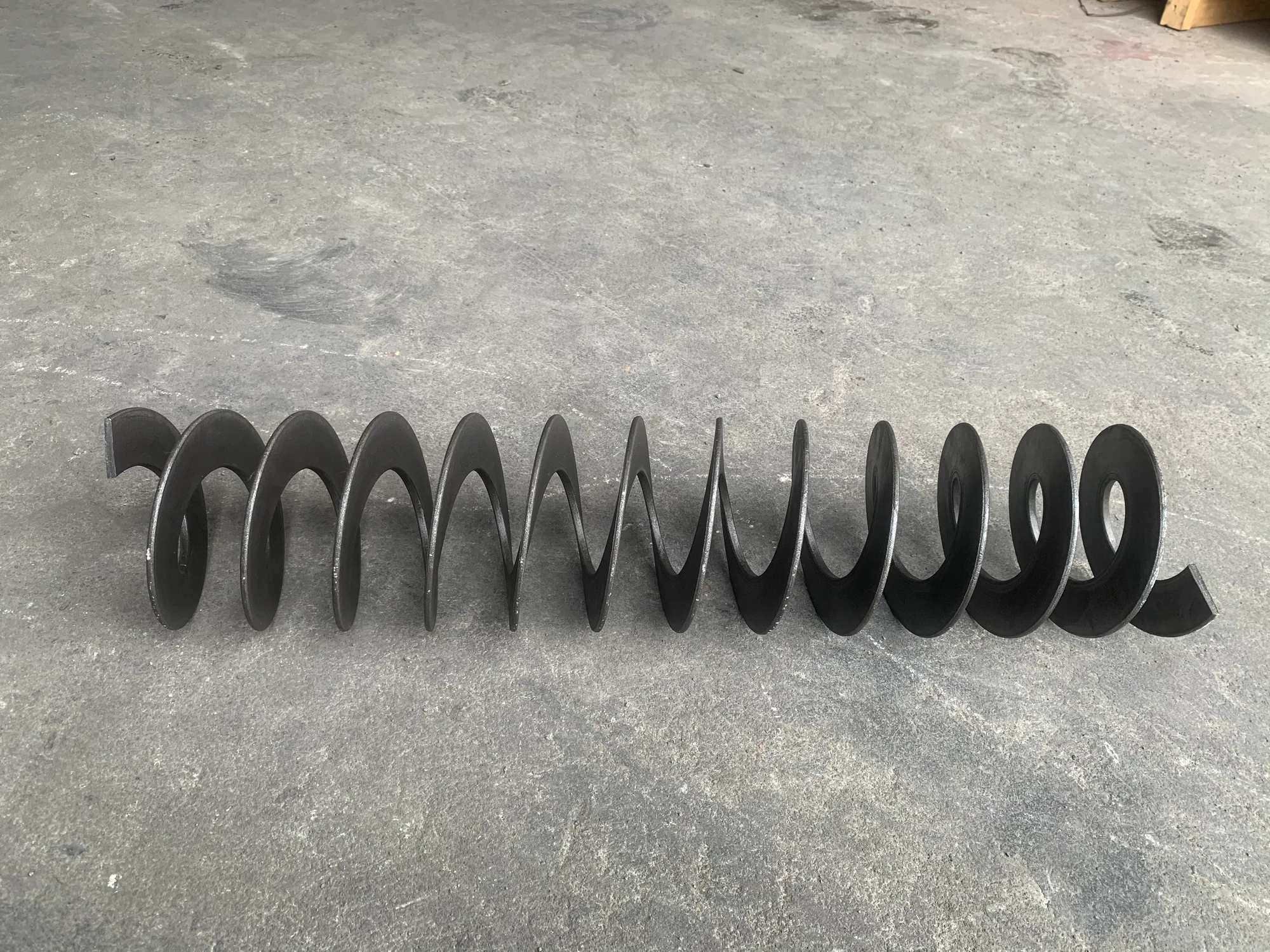
Rounded-Edge Spiral Flight
A helical flight whose rounded edge is part of the specified section, requiring profile dimensions as well as the normal helix geometry.
View details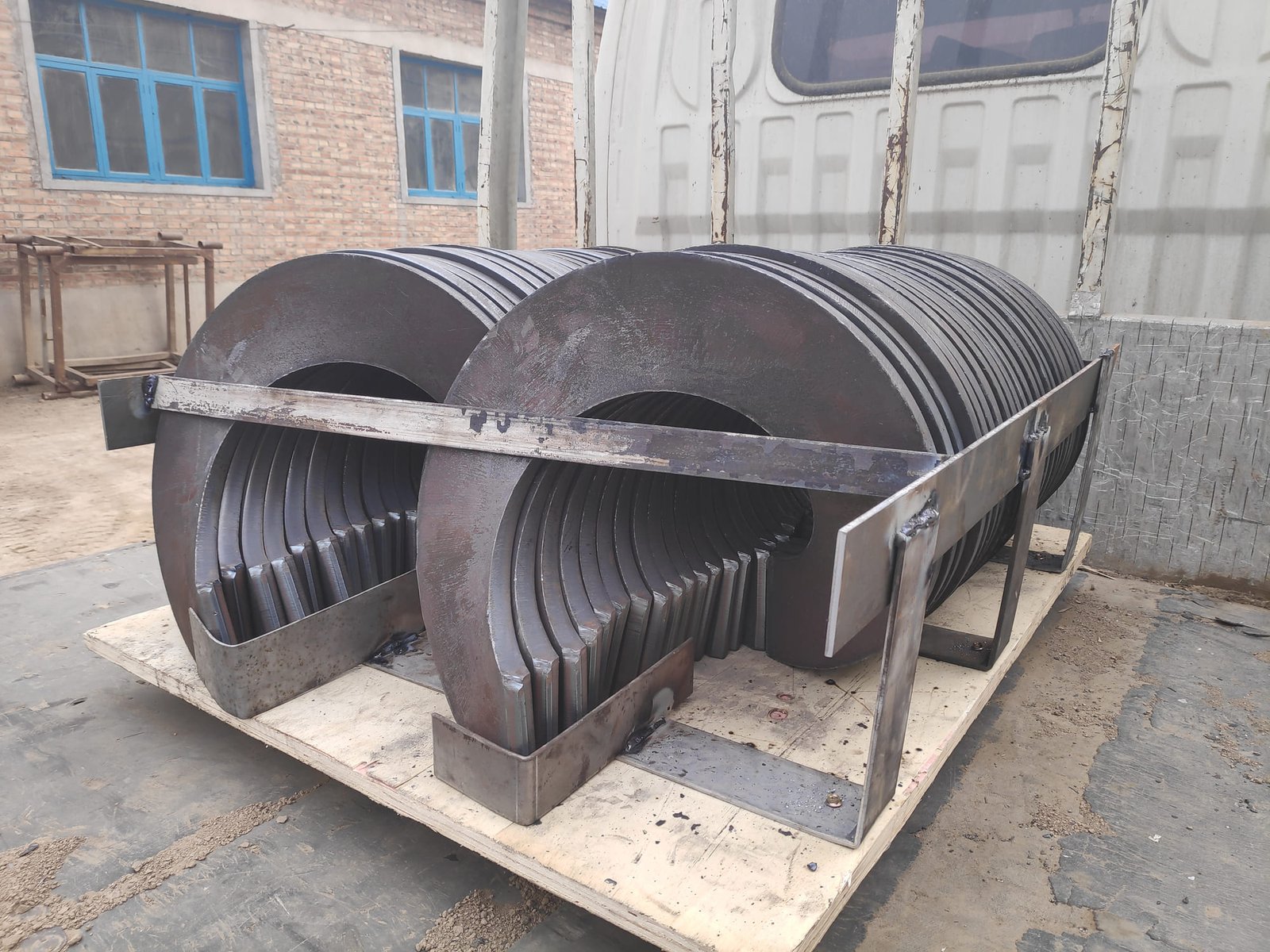
Sectional Spiral Blade
Single-pitch, equal-thickness helical segments for large diameter, thick plate, wear-resistant or stainless steel flight assemblies.
View detailsEngineering review
Discuss your Continuous Constant-Thickness Auger Flight requirement
Share the diameter, pitch, thickness, material, quantity and application. Our team will review the manufacturing route before quoting.