
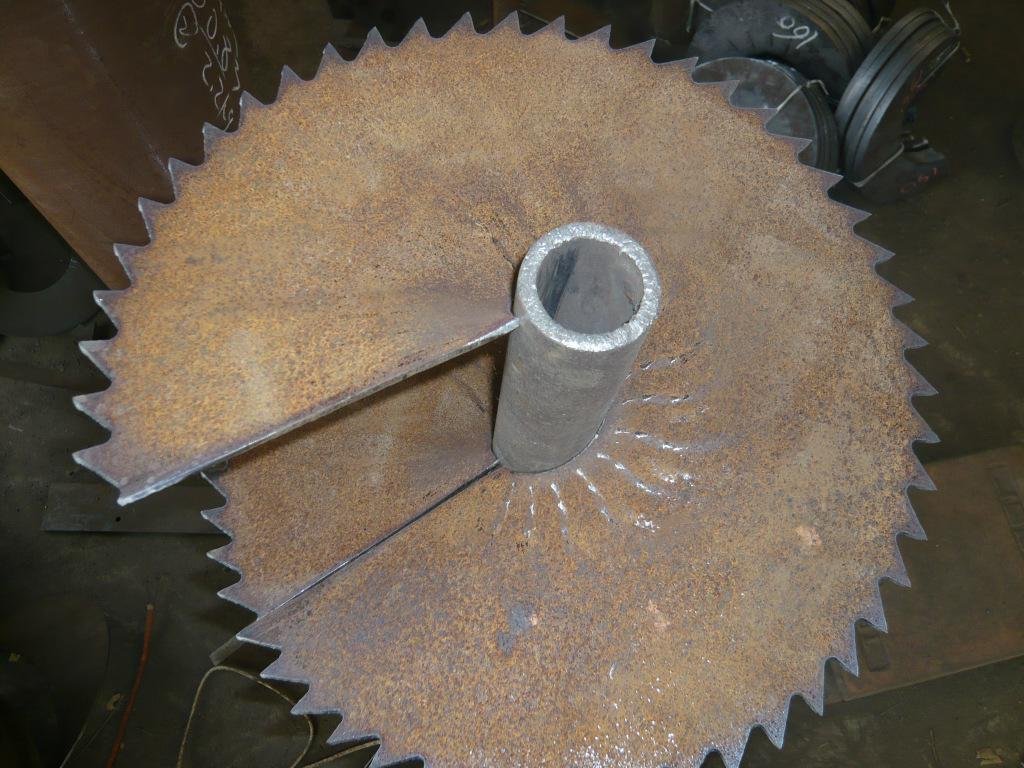
Screw flight
Serrated Sectional Flight
Sectional screw flight segments with a drawing-defined toothed outer edge for specialist processing assemblies.
Engineering fit
Built around the dimensions, material and production target that matter
A single-pitch helical segment with a toothed outside edge, made only after the tooth form, helix and assembly duty are defined.
Use the stated range as a practical starting point. We confirm the final configuration against your drawing, material and operating conditions.
Discuss this product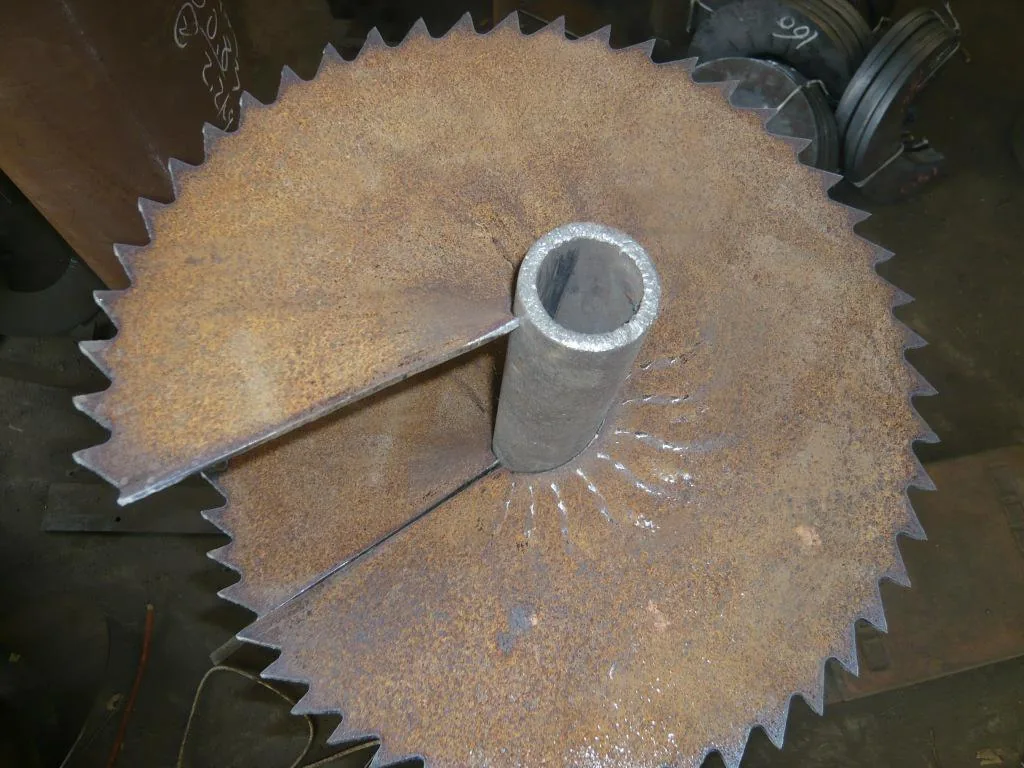
- Specialist processing screws
- Drawing-based mixing or breaking assemblies
- Replacement toothed flight segments
Product data
Product Specifications
| Parameter | Specification |
|---|---|
| Tooth geometry | Count, pitch, depth, angle and tip condition to be defined |
| Flight geometry | Outside diameter, inside diameter, pitch, thickness and hand |
| Segment definition | Single-pitch geometry, quantity and joint positions from the drawing |
| Material | Required grade and wear duty to be stated for review |
| Assembly interface | Centre tube, shaft and weld preparation shown by the buyer |
Workshop reference
Product and process views
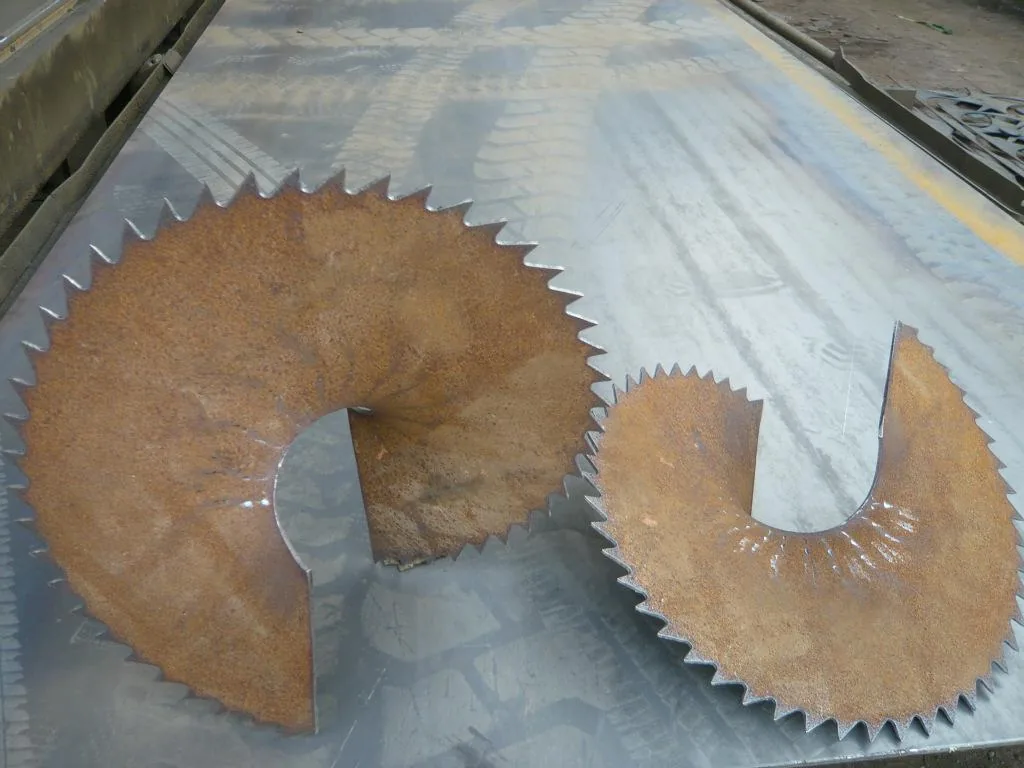
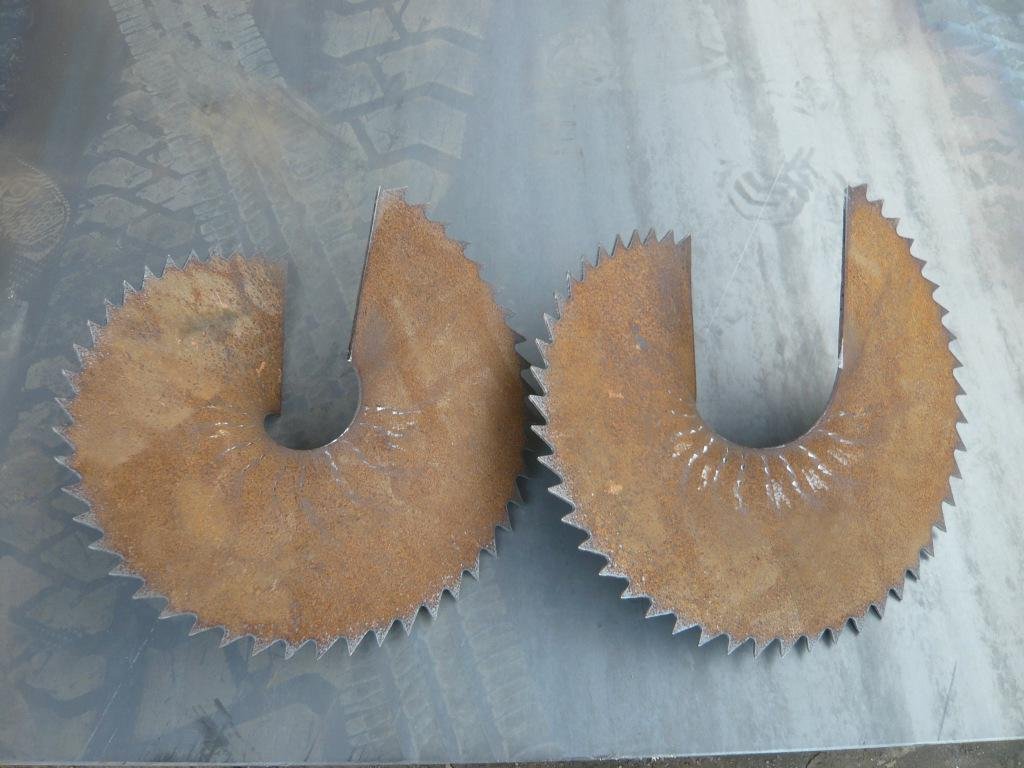
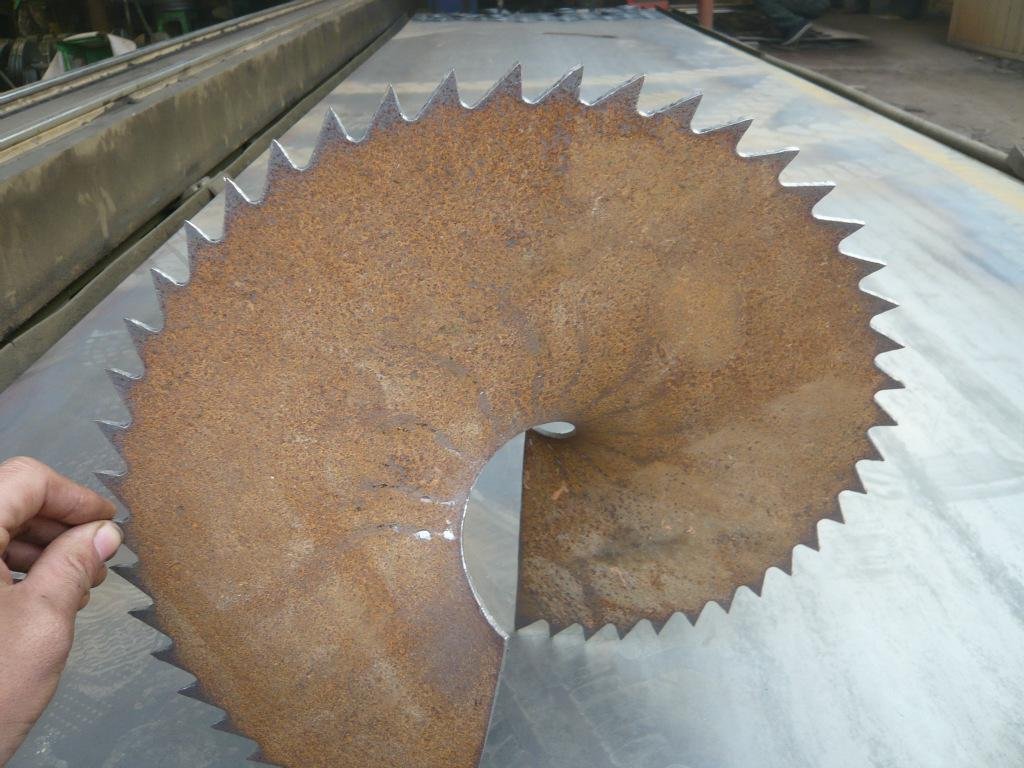
A separate edge geometry
The serrated outside edge makes this more than a keyword variation of a standard sectional blade. Tooth form, orientation and assembly duty have to be controlled together with the helical segment.
Tooth-detail drawing
Provide tooth count or spacing, depth, included angle, root shape and tip condition. Identify where the pattern starts and ends and whether an uncut joining area is required at either end of the segment.
Helix and assembly drawing
State outside diameter, inside diameter, pitch, thickness, hand and segment quantity. Show the centre tube or shaft and the direction of rotation. Joint and weld details should keep the tooth orientation consistent from one segment to the next.
Duty confirmation
Explain what the toothed edge is expected to do in the process and describe the handled material. This information supports drawing review, but final process performance must be evaluated in the buyer's complete equipment.
Quote checklist
- Flight OD, ID, pitch, thickness and hand
- Tooth count, spacing, depth, angle and root form
- Rotation and material-flow direction
- Material grade and wear condition
- Segment quantity and joining position
- Shaft or tube dimensions and weld preparation
- Existing sample or tooth-detail photograph
- Drawing revision and required inspection points
Before quotation
Frequently asked questions
Use these answers as a starting point. Final geometry, material and equipment scope are confirmed from the project information.
Is the tooth pattern a standard size?
No standard pattern is assumed. Tooth count, spacing, depth, angle and tip condition must be shown or approved for the intended assembly.
Are the teeth formed before or after the helix?
The production sequence is reviewed against the section, tooth detail and final helix. The quotation confirms the agreed process rather than relying on one fixed route.
What application information is needed?
Describe the processed material, operating direction and the purpose of the serrated edge. This helps identify drawing details that need confirmation without promising process performance.
Can a normal flight drawing be used?
It must be supplemented with an enlarged tooth detail and the orientation of the serrated edge relative to rotation and material flow.
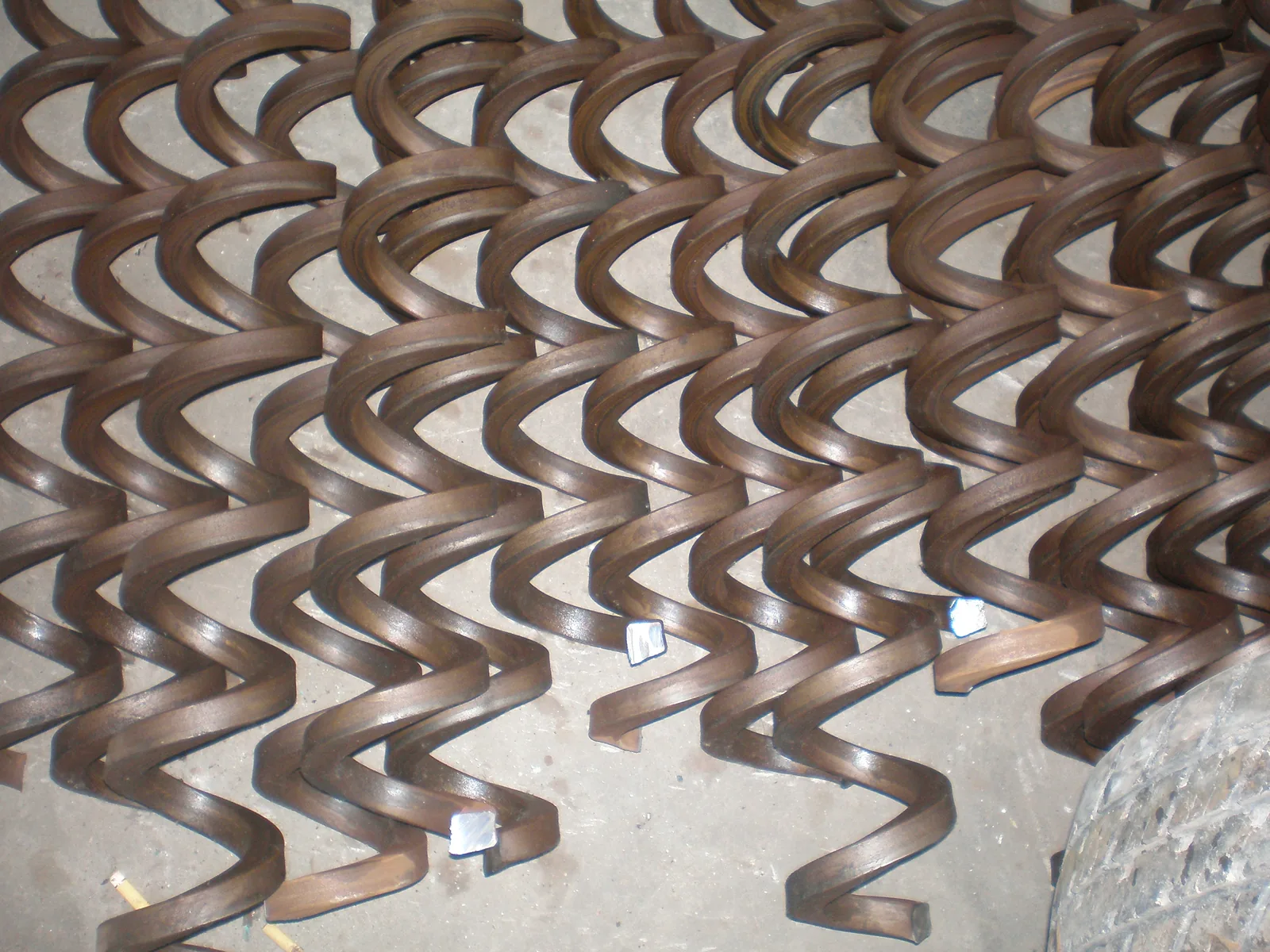
Square-Bar Flexible Auger
A flexible auger made from a square-section profile, with the bar section, coil geometry and installed tube route reviewed as one system.
View details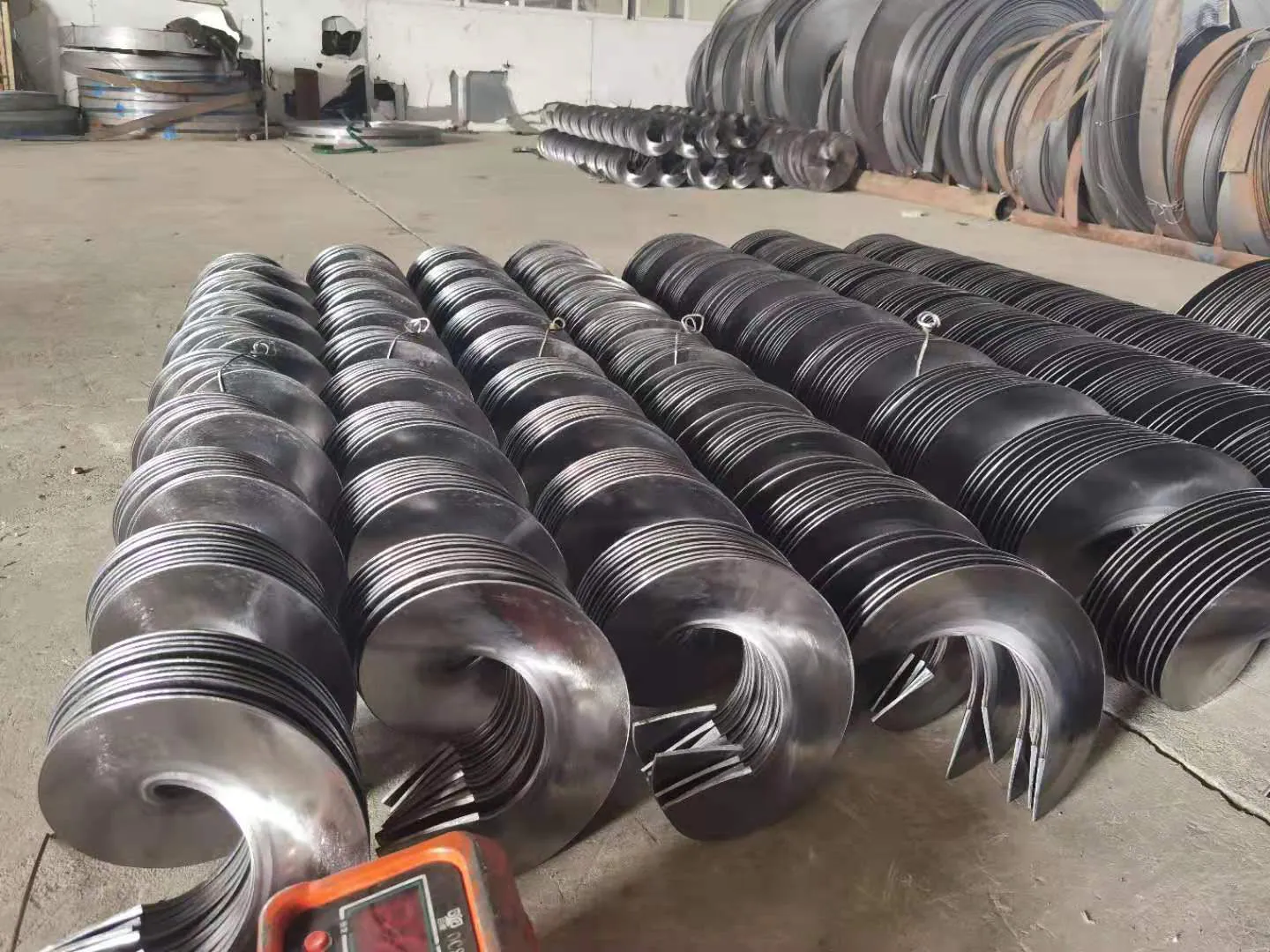
Cold-Rolled Continuous Screw Flight
Cold-formed strip flighting for applications that need continuous, seamless geometry and controlled pitch, diameter and thickness.
View details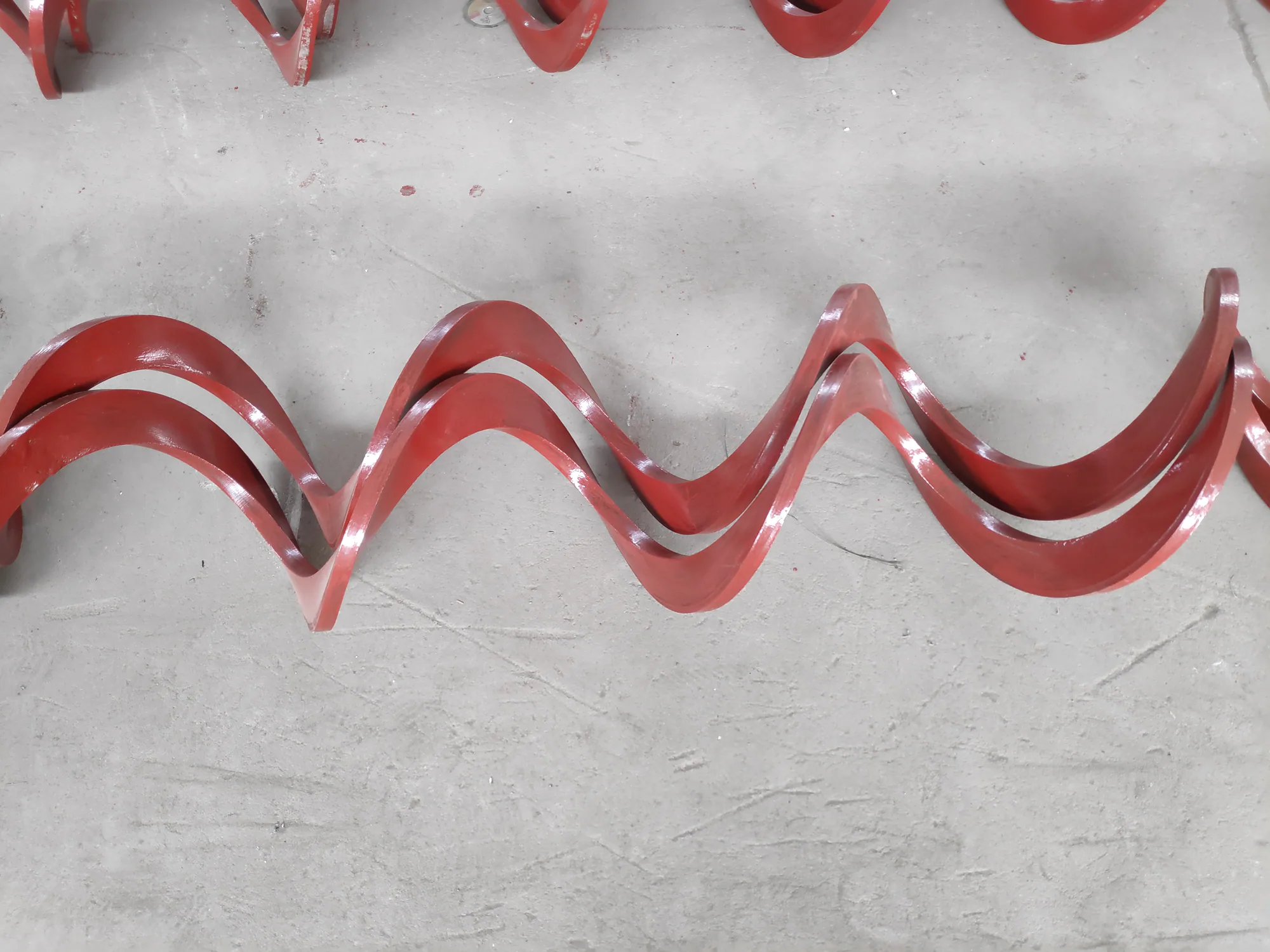
Continuous Constant-Thickness Auger Flight
A continuous mould-winding route for multi-pitch flights where material utilization and consistent wall thickness are priorities.
View details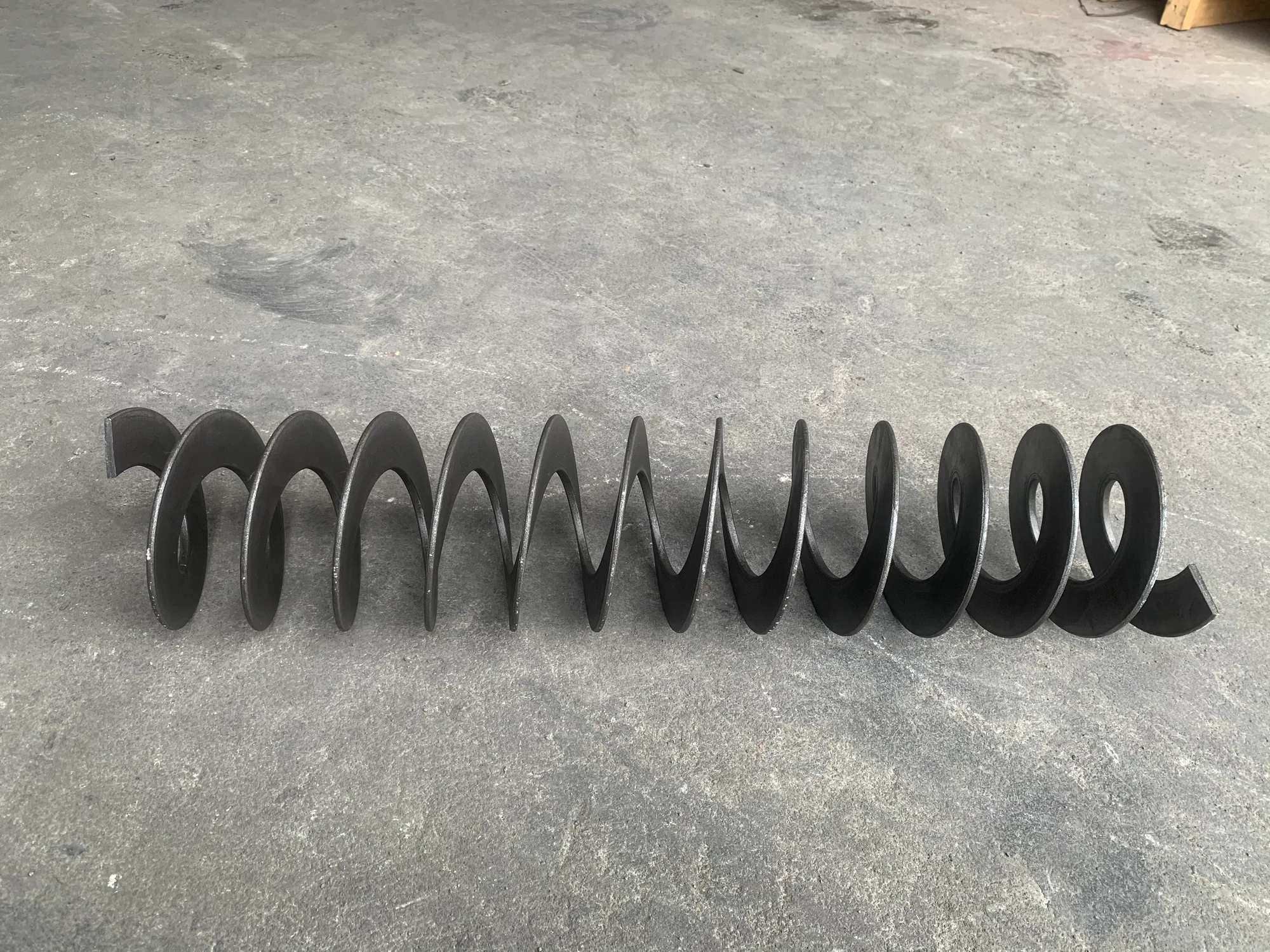
Rounded-Edge Spiral Flight
A helical flight whose rounded edge is part of the specified section, requiring profile dimensions as well as the normal helix geometry.
View detailsEngineering review
Discuss your Serrated Sectional Flight requirement
Share the diameter, pitch, thickness, material, quantity and application. Our team will review the manufacturing route before quoting.